
Last updated November 24, 2026
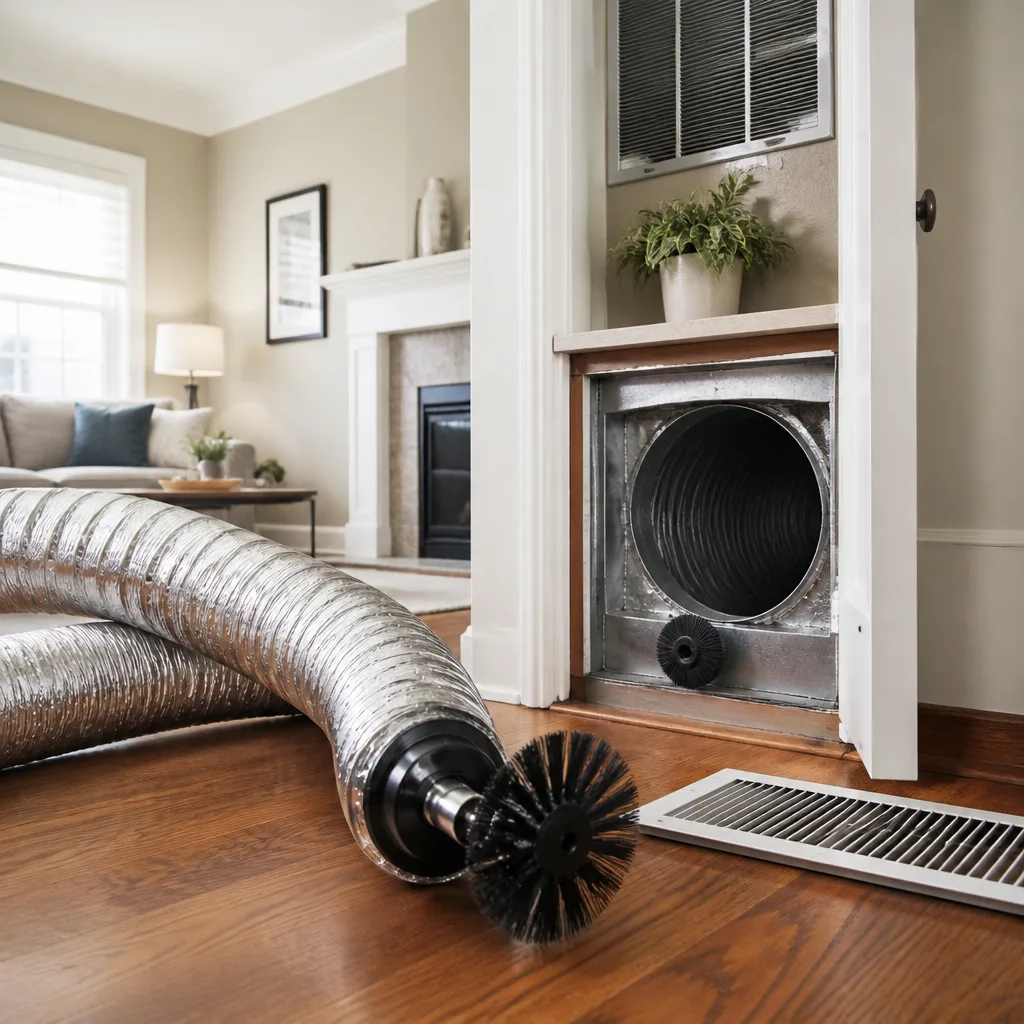 Whole-home duct cleaning
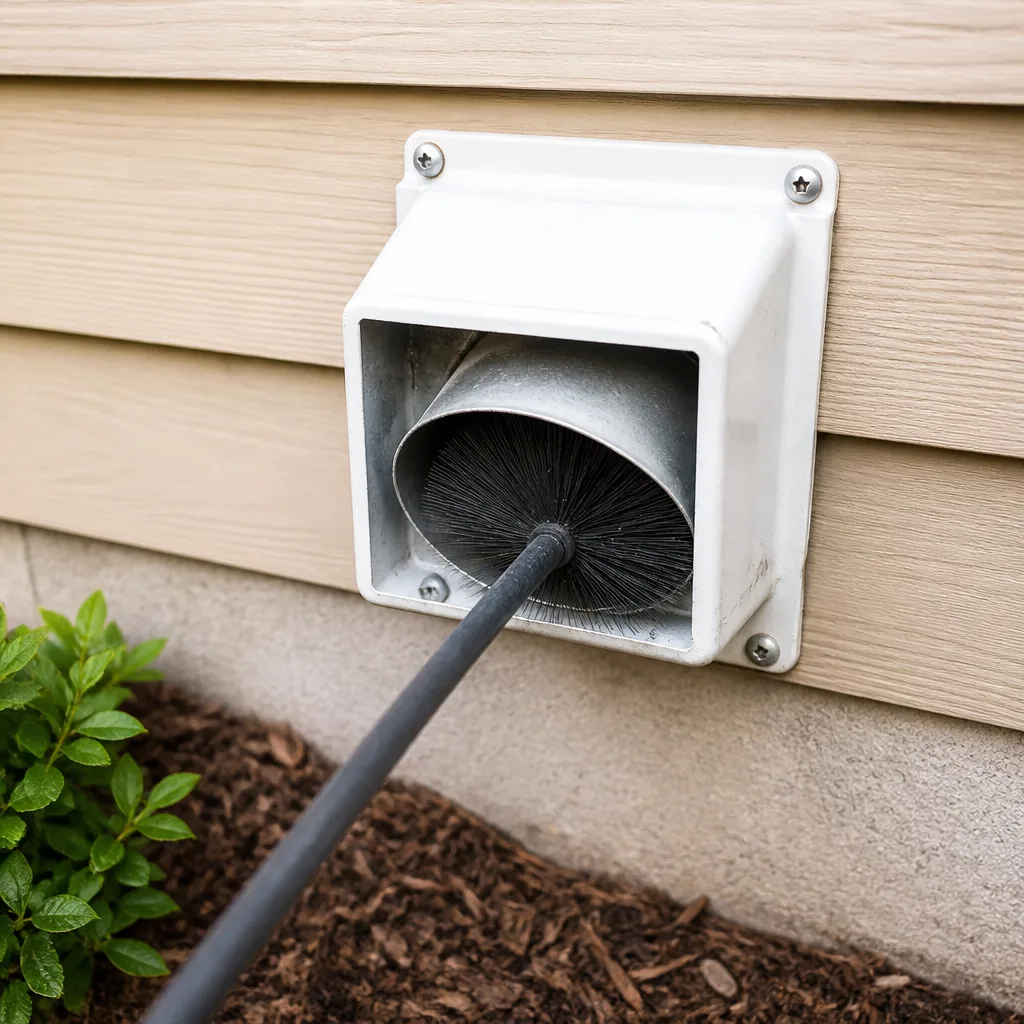 Dryer vent cleaning
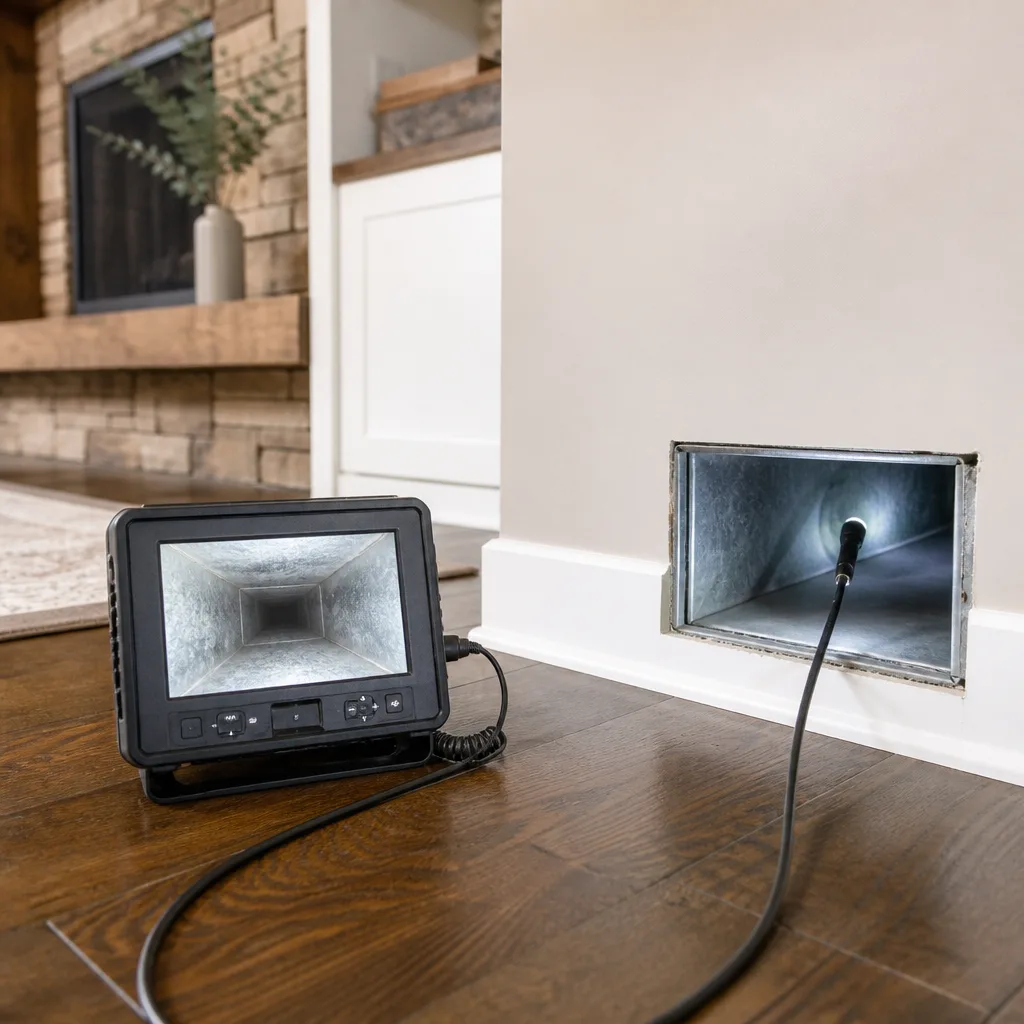 Camera inspection
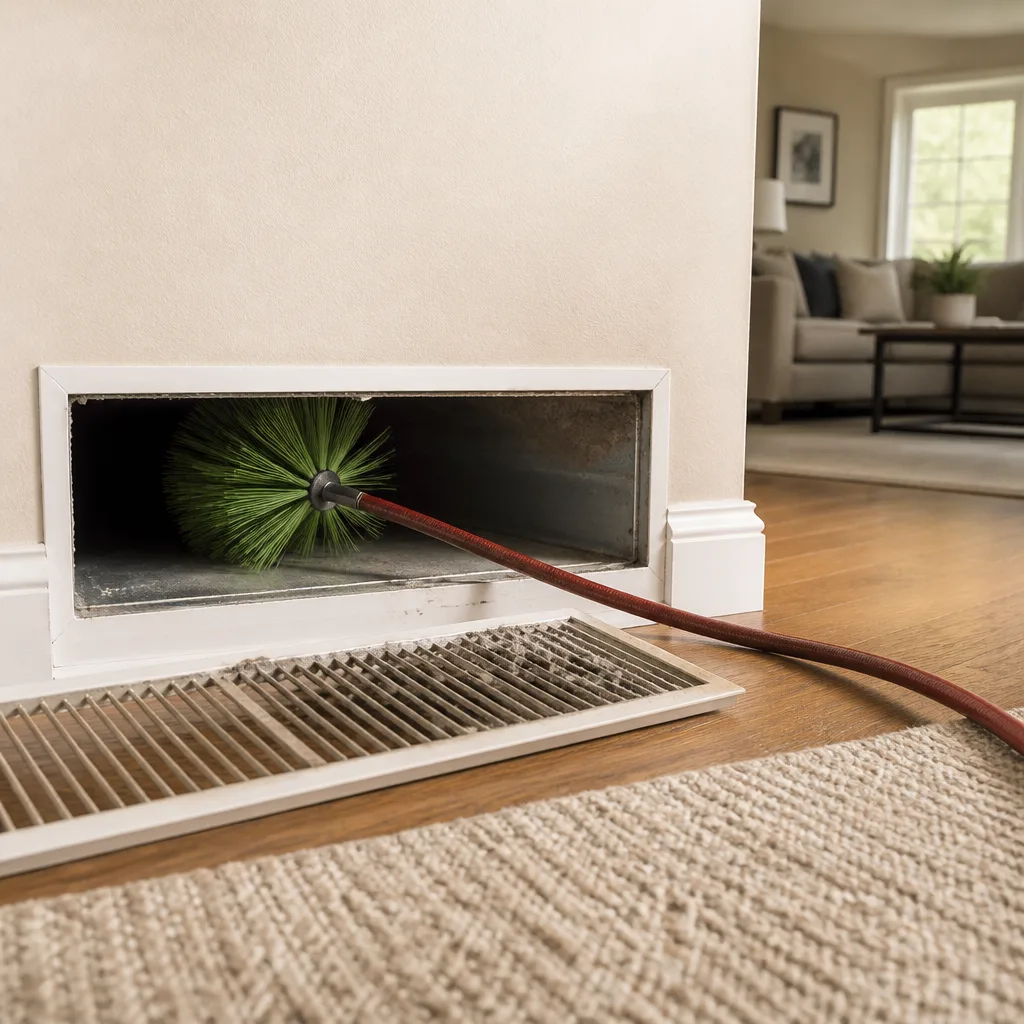 Sanitizing & deodorizing
Whole-system duct and dryer vent check with before-and-after photos - you see exactly what came out of your vents
That "$99 whole-house special" is a bait ad - the real number appears once they are in your hallway, or the "clean" is a shop-vac at the register. We photograph the inside of your ducts before and after instead.
DIY vs Professional Air Duct Cleaning: The West Valley City Homeowner’s Decision Guide
A shop vac pulls roughly 90 to 100 cubic feet per minute (CFM) of air. A professional truck-mounted vacuum collection unit pulls somewhere in the range of 10,000 to 16,000 CFM. That gap isn’t something you close with a better nozzle, a longer afternoon, or a rental from the hardware store. It’s a different order of magnitude, and it’s the single fact that settles most of the DIY versus professional debate before you even get to price. This guide breaks down the physics behind that number, what a West Valley City homeowner can realistically do alone, and how to know when it’s time to call someone. You’ll finish knowing exactly where the line sits for your home.
Quick Answer
Professional air duct cleaning is usually worth it, and DIY cleaning rarely is, because consumer vacuums can’t produce the airflow and negative pressure needed to pull debris out of duct lining. A shop vac agitates dust that’s settled in your ducts and can leave more airborne than it removes. The jobs that make sense to handle yourself are register and return-grille washing, dryer vent lint checks, and visual inspection of exposed flex duct. Everything past that point calls for equipment you don’t own and shouldn’t try to fake.
Styles & brands we work with
- Whole-home duct cleaning
- Dryer vent cleaning
- Camera inspection
- Sanitizing & deodorizing
Table of Contents
- Why the Physics Settle the DIY Debate
- What You Actually Can Do Yourself (And Get Real Results)
- When DIY Makes the Contamination Worse
- Cost Per Result: What a Weekend of DIY Really Buys
- When DIY Is the Right Tool (New Construction, Light Maintenance)
- West Valley City Specifics That Change the Calculus
- What a Professional Duct Cleaning Actually Involves
- How to Vet a Duct Cleaning Company in West Valley City
Why the Physics Settle the DIY Debate
Air duct cleaning is a materials-handling problem, not a scrubbing problem. The debris in your ducts is a mix of settled dust, pet dander, construction residue, and whatever the filter didn’t catch. That material clings to the duct lining with a certain amount of adhesion, and you can’t break that adhesion without moving enough air past it at the right velocity and vacuum pressure. Move less air and the debris stays right where it is. Move a little air and you loosen it into your living space instead of into a collection bag.
Here’s the comparison that matters:
- Shop vac: roughly 90-100 CFM of suction at the hose, dropping fast as the hose fills or clogs. No negative-pressure control. No containment.
- Consumer duct-cleaning attachments: marketed for the job, but still tied to the same underpowered motor, so the attachment changes airflow direction without changing airflow volume.
- Professional truck-mounted collection unit: 10,000-16,000 CFM, paired with a contact vacuum inside the duct and negative pressure on the whole system, so the whole duct network is under suction while the technician works.
Static pressure matters as much as raw CFM. A duct system is a designed air path with a known pressure drop. Professional equipment is built to keep the system under negative pressure the whole time it works, which is what keeps loosened debris traveling toward the collection unit instead of drifting through your supply registers into the room. When we run a job using Rotobrush or Nikro equipment in a West Valley City home, the goal is a single contained air path from duct interior to collection bag, and that path depends on equipment pressure no vacuum from a hardware store can build.
The mechanical fact is the whole argument. You can clean a register. You cannot clean a duct system with a tool that never gets the interior of the duct under real suction.
What You Actually Can Do Yourself (And Get Real Results)
Plenty of the maintenance around a duct system is well within reach of a homeowner with a screwdriver and an hour to spare. Doing these jobs consistently keeps the system cleaner and makes a professional cleaning more effective when you do call one.
- Remove and wash every supply register and return grille. Pop the grille off, wash it in the sink or outside with a hose, dry it fully, and put it back. This is where the visible dust actually lives, and a clean grille stops a lot of that dust from dropping back in.
- Change the filter on schedule, not by feel. Filter pressure drop is the number one thing a homeowner can control. A clogged filter starves the system, thickens the dust load inside the ducts, and wears the blower. Check it monthly during heavy-heating months in West Valley City, and replace based on how it looks, not on how it should look.
- Check the dryer vent path. Pull the dryer away from the wall, disconnect the flexible duct, and look inside. You can vacuum the run you can reach, and you can verify the outside flapper opens and closes freely. A dryer vent is a fire path, and it’s the one duct run you genuinely can inspect from both ends.
- Do a visual inspection of exposed flex duct. In a basement or crawlspace, look for crushed sections, sagging runs, disconnected joints, and tape that has failed. Note what you find. That list is the most useful thing you can hand a professional.
- Wipe down the return-air face and grille frame. The grease and dust that built up on the return face is the same material that coats the inside of the duct run. It won’t fix the interior, but it’s a real part of a clean system.
These steps are worth doing on their own. What they don’t do is reach the duct interior, and that’s the boundary. If you want a deeper look at what a full job covers, our air duct cleaning page lays out the whole scope. Just be clear with yourself that routine maintenance and duct cleaning are two different jobs.
When DIY Makes the Contamination Worse
Here’s the part almost nobody says out loud: an underpowered attempt can leave your air worse than it started. If the duct interior holds a layer of settled dust and you run a shop vac nozzle over a register, the vacuum pulls some material loose but doesn’t have the pressure to carry it into a collection bag. That dust goes into the room where your family sits, or it redeposits a few feet farther down the duct, where it’s now piled in a spot your future filter can’t touch. Nothing is worse for a house than a good intention with no collection unit behind it.
There are three specific ways DIY makes things worse:
- Disturbing settled debris without containment. Agitation without negative pressure spreads fine particles across the living space. This is the classic reason people complain their house was dustier for weeks after a DIY attempt.
- Wetting the interior. Sprays from a squirt bottle or a humidifier can feed mold growth on duct lining if the moisture doesn’t dry out cleanly. Consumer spray products are the usual culprit.
- Breaking a connection you didn’t know was load-bearing. Flex duct and taped joints come apart more easily than they look. A disconnected run dumps conditioned air into a crawlspace, which is a real efficiency loss, and it’s happened to plenty of West Valley City homeowners who took a shop vac to a joint they thought they could put back.
One more thing worth flagging: your duct system is part of your HVAC system’s airflow design. If your ducts are connected to your heating and cooling equipment, any work near the air handler involves electrical components and, in some homes, gas. That’s where a trained professional belongs, every time.
Cost Per Result: What a Weekend of DIY Really Buys
Here’s a different way to measure the DIY question: not in dollars, but in airflow and debris removed. Measure the gap. A weekend of DIY on a typical West Valley City home is realistically 4 to 8 hours of work with equipment that can’t pull the system under negative pressure. What that effort gets you is cleaner registers, a fresh filter, and whatever debris was loose enough to fall off the duct wall on its own. The stuff that’s actually clinging to the duct lining – which is most of it – is still there, and now some of it is in the air. That’s not a finished job. That’s half a job.
Here’s a straightforward comparison of what each approach actually changes:
- Judge by airflow, not by appearance. After a proper cleaning, a supply register you couldn’t feel much from will push noticeably more air. Registers near the ends of long runs are usually the biggest change, and they’re the ones homeowners notice first. If your only measure of success is a photo of a hose going into a vent, you can’t tell whether the system improved.
- Judge debris by what comes out, not what you can see. The collection unit on a professional job collects pounds of material. A shop vac collects a fraction of that, mostly what was already loose. If you can’t see where the debris went, assume you’re missing most of it.
- Judge the whole system, not one room. Cleaning one register or one branch doesn’t clean a duct run. It moves the dust around within one small section.
That said, there’s a real case for doing a first pass yourself before you call. Cleaning the registers and checking the filter makes the professional’s job more focused on what only they can reach. You’ll get more out of it, and you’ll know more about your system walking in. A weekend of DIY has honest value as prep. It has much less value as a substitute.
When DIY Is the Right Tool (New Construction, Light Maintenance)
DIY is genuinely the right first step in a few specific situations. If you’re a few weeks into a new build, the ducts and registers will have construction dust in them – drywall dust, sawdust, the fine white powder that settles everywhere. A homeowner can clean registers, change the filter a few times in the first months, and wipe down return faces. That’s real, useful work. The line to watch for is that construction dust is also the material most likely to settle deep into the ducts, so the first professional cleaning is usually worth doing before you move in fully, not after. Kitchen and bath remodel dust in an existing home is a similar case.
Light seasonal maintenance is the other honest DIY category. In West Valley City, dust and pollen load is seasonal, and a fan-and-filter routine through the spring and fall is worth keeping. Cleaning the return grille, wiping the register faces, and swapping the filter on schedule are all within reach. So is a visual check of the flex duct in your mechanical room or crawlspace. What stays out of DIY territory: the duct interiors themselves, any work at the air handler, any gas-connected equipment, and any electrical panel involving the system. Those are trained-professional ground, and the safety margin for getting it wrong is thin.
If your home has pets, older duct work from a previous era, anyone with allergies, or a recent renovation, the balance tilts further toward professional cleaning. Those conditions put more contaminants in the ducts, and they’re the ones where a shop vac most reliably makes things worse. A properly contained cleaning job – with negative air equipment rather than a shop vac and a good attitude – is the appropriate response. If you want to keep the other half of your airflow system healthy, our HVAC cleaning page covers the equipment side, and the dryer vent cleaning page covers the run with the biggest safety stakes.
West Valley City Specifics That Change the Calculus
A desert-valley home has a different dust profile than a house in a humid climate. West Valley City sits in the Salt Lake Valley, with dry air most of the year, fine dust from the surrounding landscape, and a long heating season. Ducts here stay dry, which is good news: a dry duct can wait for proper cleaning much longer than a damp duct in a humid climate without feeding mold. The tradeoff is that fine, dry dust is exactly the material that goes airborne when you agitate it without a collection unit. That’s why the physics matters more here, not less.
Housing stock matters too. West Valley City has a wide range of residential construction, and older homes often have duct designs from an earlier era: long runs, fewer returns, and duct work that has been added onto over time. Every add-on is an opportunity for a leak, a sag, or a joint that’s overdue for sealing. If your home falls in that category, a cleaning visit should also include a look at duct condition, not just duct interior. That’s why we treat duct repair and sealing as part of the job, not a follow-up: finding a problem and then leaving it in place isn’t a fix.
West Valley City homes can also carry the dust signature of the wider valley: winter inversion periods hold fine particles in the air, and homes near the Jordan River corridor or older residential pockets may collect more of it. In a valley that traps air in winter, the home’s own duct system is the one part of the air-quality picture you can actually control. Cleaning the ducts, sealing leaks, and upgrading filtration are all direct levers on the air your family breathes through the heating season. The filter and air-quality side is where Honeywell and Aprilaire products come into play, and they’re a genuine part of the answer for air-quality-sensitive homes in this city.
What a Professional Duct Cleaning Actually Involves
The professional difference is equipment and process, not effort. A proper job starts by connecting a high-capacity collection unit to the system and building negative pressure throughout the duct network. The technician then works each branch with a contact vacuum, using an air-driven tool or a powered brush head, while the whole system stays under suction. Debris travels toward the collection unit the entire time and never gets a chance to drift into the room. After the run is done, the register, supply, and return grilles get cleaned, and the technician finishes with a visual confirmation of airflow at every register. Here’s what a thorough job includes, step by step:
- Assessment. Walk the system, identify problem runs, check filter condition, and note any duct joints that are separated, crushed, or taped badly.
- Containment setup. Connect the collection unit and build negative pressure so the entire system is under suction before any cleaning starts. Abatement Technologies negative-air and containment equipment is the standard we use on jobs that need a higher bar for contaminant capture.
- Interior cleaning per branch. Run a contact vacuum through each branch using Rotobrush or Nikro equipment, with the collection unit running the whole time.
- Repair and sealing where needed. Seal joints and reattach disconnected runs so airflow doesn’t escape into a crawlspace or attic. This is a real part of the job for older West Valley City homes, and it’s where the DIY approach has no answer at all.
- Register and grille cleaning. Wash and reinstall each grille so the system is clean from filter to face.
- Sanitizing on request. Guardsman antimicrobial treatment can be applied to duct interiors after cleaning.
- Airflow verification. Test airflow at every register, and confirm the whole system under operation, not just the parts you can see.
That’s a long list of equipment that a homeowner can’t rent at a hardware store. The full scope – air ducts, dryer vents, HVAC systems, duct repair and sealing, and air sanitizing – is why we can fix what we find, not just report it. If you’re curious about the broader routine, our West Valley City air duct cleaning page gives the overview. The full-system picture is also the reason one visit covers everything on this list instead of requiring separate contractors.
How to Vet a Duct Cleaning Company in West Valley City
The easiest way to get burned on duct cleaning is to hire the lowest per-vent quote you can find. A per-vent price is a marketing number, not a service price; a real company prices a whole system by job. When you’re comparing, ask these questions and listen for a specific answer, not a scripted one.
- “What equipment do you use?” A real answer names the equipment: a truck-mount collection unit, contact vacuum, negative pressure. If the answer is “the same equipment everyone uses,” that’s an avoidance.
- “Is the price per vent or per system?” Per-system pricing, with a written estimate before work starts, is the fair structure. Per-vent pricing means you pay more for a bigger house without getting a bigger job.
- “Do you clean the whole system or just the runs you can reach?” The whole system, including returns, is the job. Anywhere in between is an incomplete one.
- “Can you show us what you removed?” A professional job leaves evidence: a full collection unit. Before-and-after photos of your own ducts and a look at what came out are reasonable to ask for. That’s how you know the work actually happened.
- “Do you repair what you find?” If the answer is “we note it and someone else fixes it,” you’re going to be the one coordinating a second contractor. Our ability to handle duct repair and sealing is part of why we structure the job the way we do.
- “How long will the job take, and what does it cover?” A proper cleaning takes hours, not minutes. A 20-minute “cleaning” isn’t a cleaning.
Two more things worth confirming before anyone touches your ducts: are the technicians trained and experienced on this equipment, and are you comfortable the company will give you a written price before the work begins. Ask directly. A company that can’t answer those casually isn’t the one for your house.
See the difference
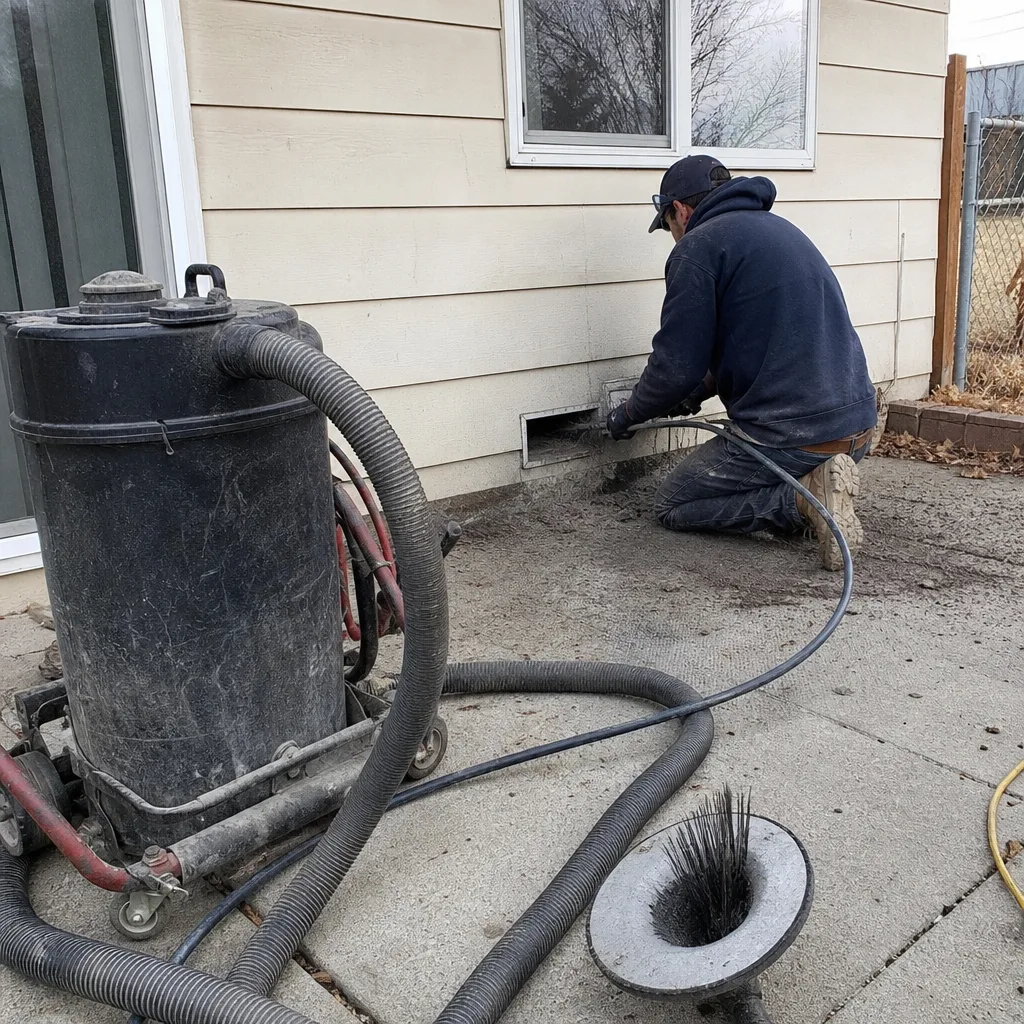 Before
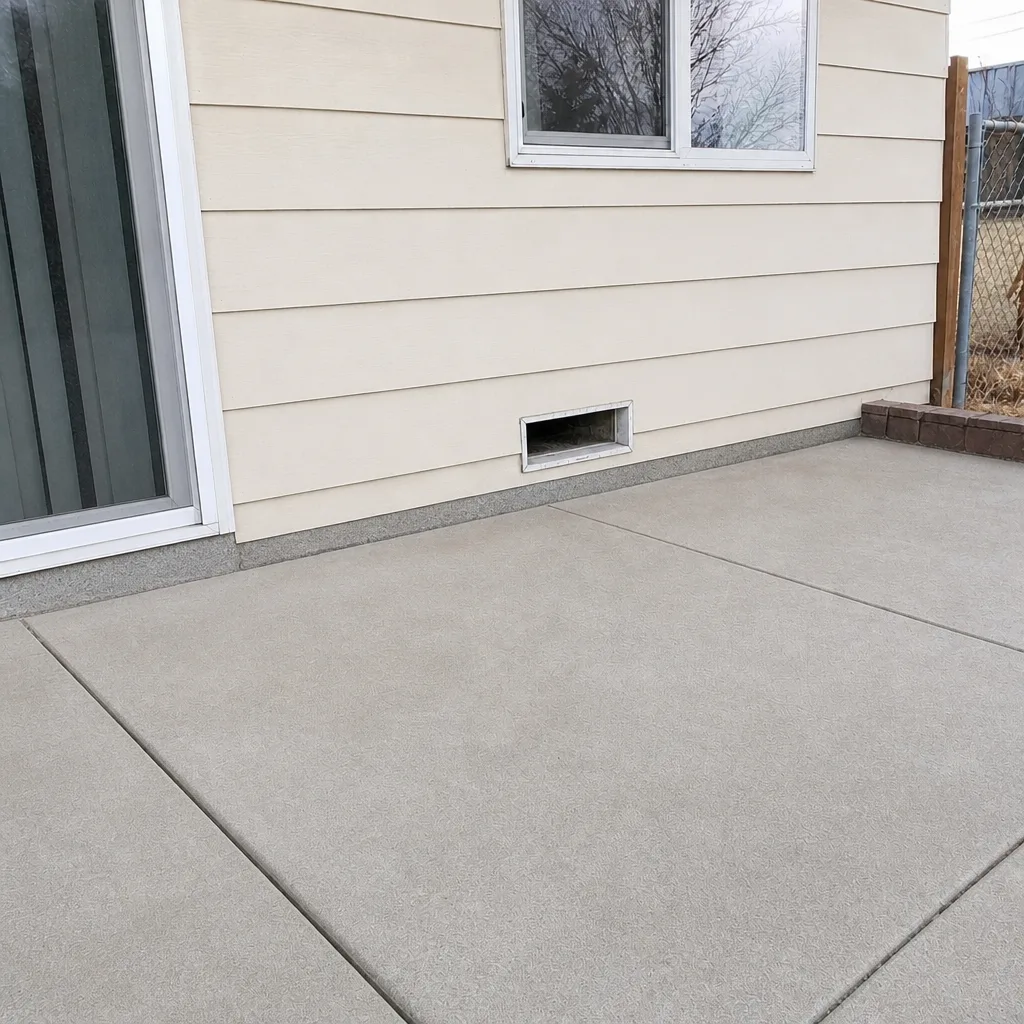 After
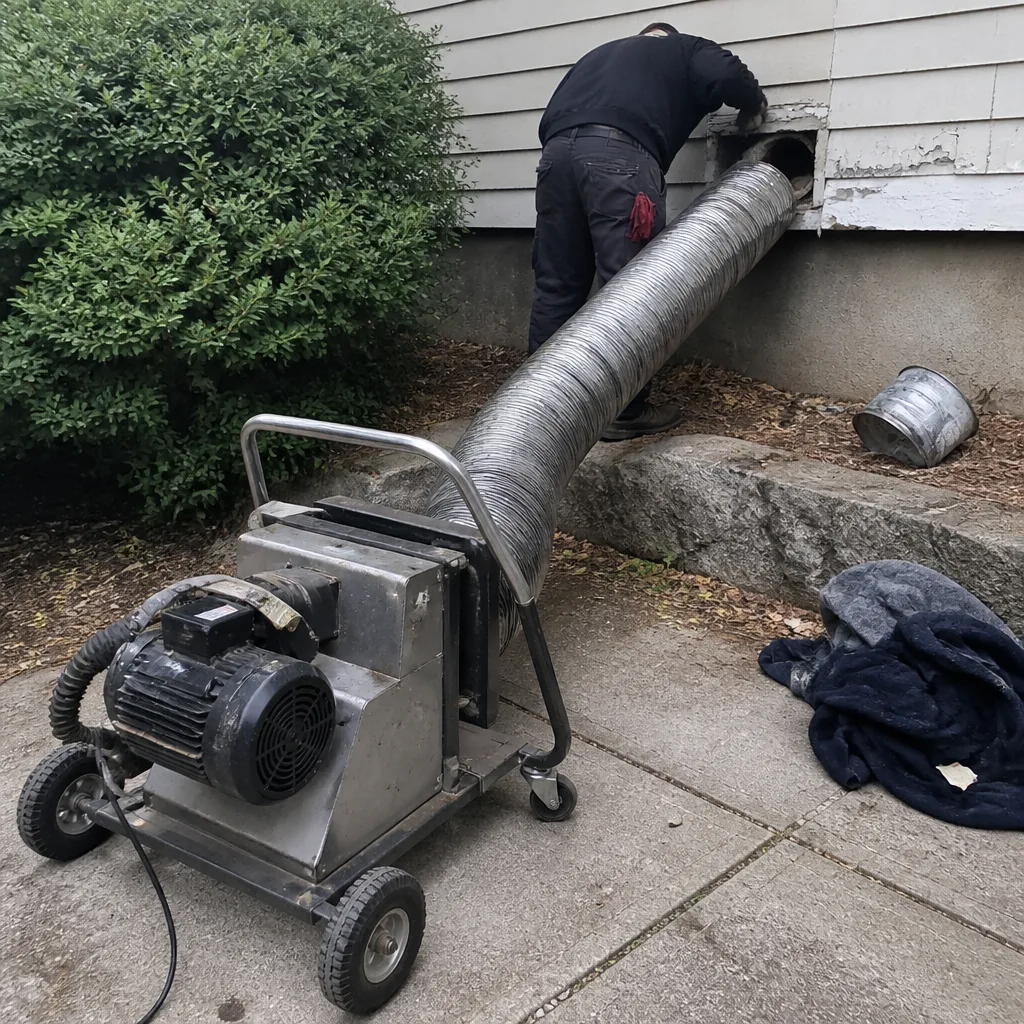 Before
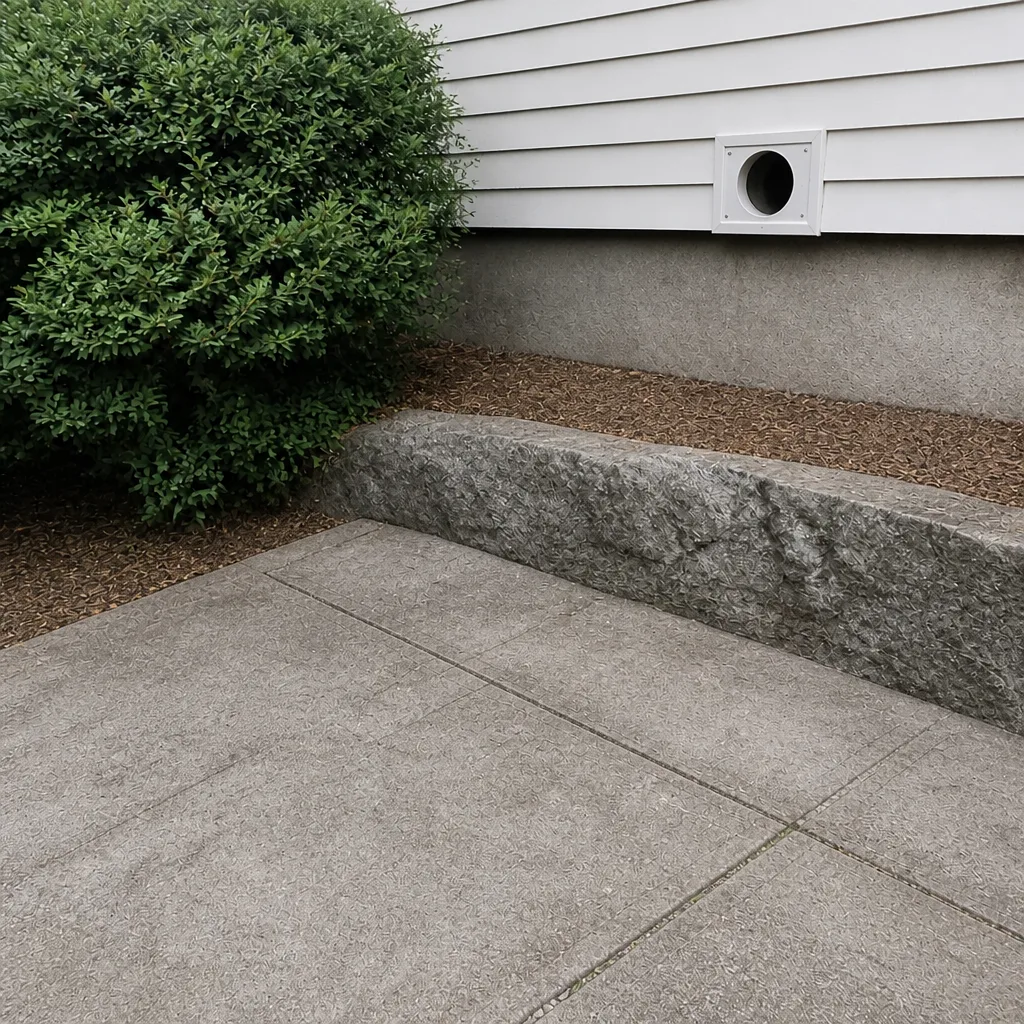 After
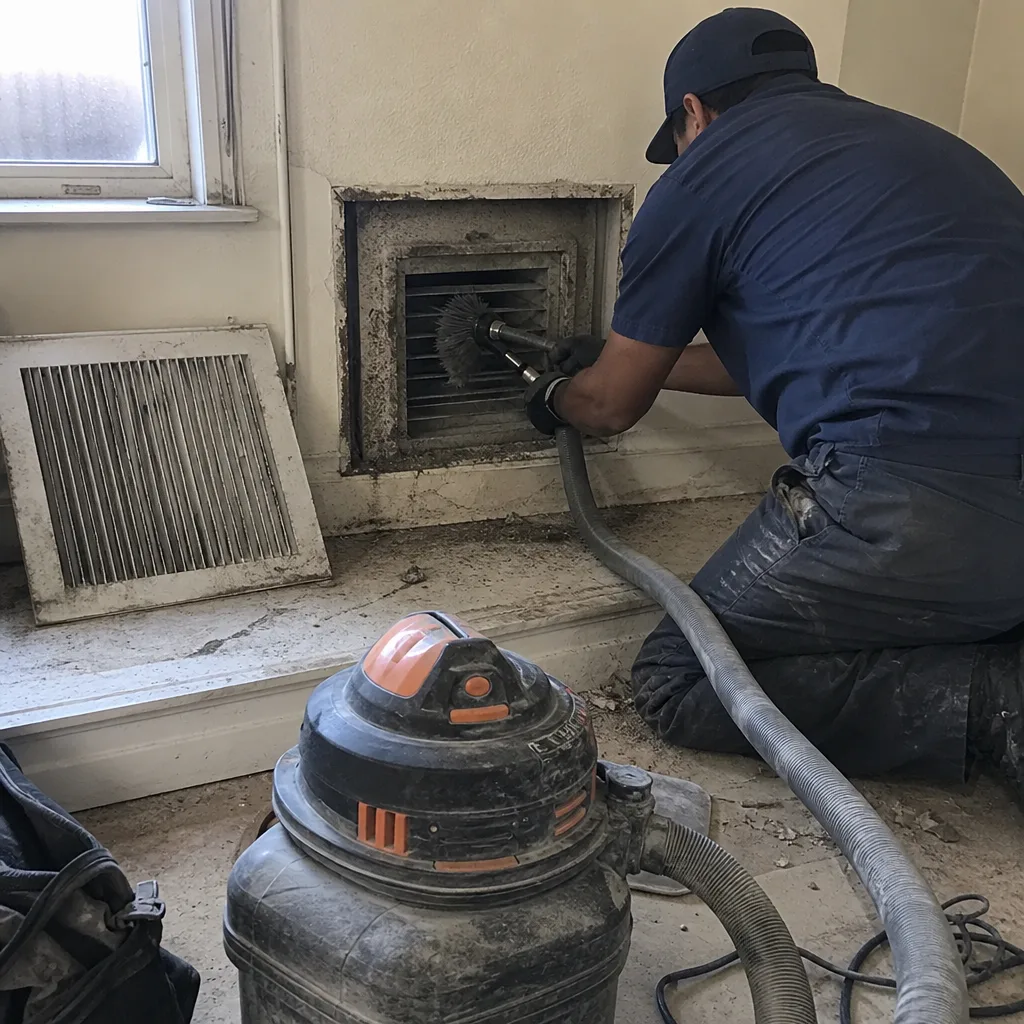 Before
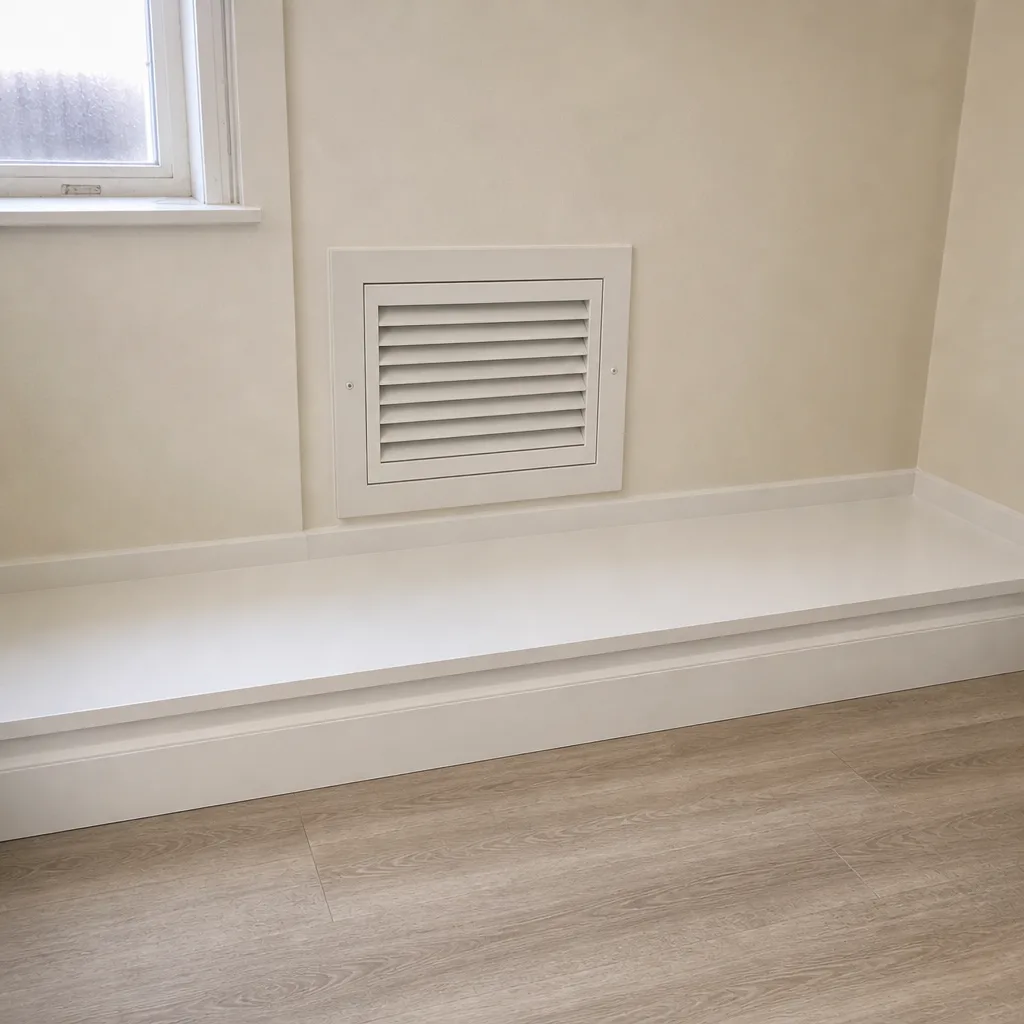 After
Common Mistakes to Avoid
- Treating a shop vac as a duct-cleaning solution. A home vacuum can’t build the negative pressure to remove settled debris, and running one over a register usually sends more dust into the room than it pulls out. The physics doesn’t change based on how long you spend.
- Hiring the cheapest per-vent quote. A per-vent price rewards a quick run-through, not a system-wide job. Ask for a written, per-system estimate before anyone touches a duct.
- Skipping the filter routine. A clogged filter is the single most common cause of heavy dust in West Valley City ducts. Check the filter monthly during the heating season and replace it when it needs it, not on a vague calendar.
- Ignoring the dryer vent. Homeowners clean the register and forget the one duct run with the biggest safety stakes. Check the exterior flapper and have the run cleaned if it’s been long enough that you can’t remember.
- Accepting a “cleaning” that doesn’t touch returns or seals. A job that cleans supply registers and leaves returns, joints, and disconnected runs alone is a photo opportunity. Every part of the system needs to be in the scope.
- Assuming a dusty smell means a filter problem only. It can also mean a separated duct joint, a failed seal, or debris that settled in a spot your filter can’t reach. A visual inspection should be part of the diagnosis.
- Trying to work around the air handler yourself. Electrical and gas components are involved, and getting it wrong isn’t a learning opportunity. That’s where you stop and call.
When to Call a Professional
Call a professional when you can feel the airflow difference in the house – weak supply registers at the end of a long run, room-by-room temperature lag, or a dust film on flat surfaces that comes back after a day. Call when the ducts are older, when there’s been a renovation, when pets or allergies are in the household, or when you see a cracked or disconnected run in a crawlspace. Also call when you’ve done the honest DIY work and the problem is still there. West Valley City Air Duct Cleaning offers free estimates in West Valley City. Call (844) 443-4789 to set one up. The local pro we connect you with is state-licensed and insured, uses professional-grade equipment, and gives you a single flat price per system, agreed before any work starts.
Frequently Asked Questions
For register and return-grille cleaning, filter changes, dryer vent checks, and visual inspection of exposed flex duct, yes. For the duct interiors themselves, no, because a consumer vacuum can’t build the negative pressure to pull debris out. Call (844) 443-4789 for an exact quote if you’re unsure where your job falls.
Pricing is estimated per system, not per vent, and set by a written estimate before work starts. Typical systems land in a range that depends on how many runs your home has, whether returns are included, and whether duct sealing or repair is needed. The number that matters is the written estimate, so ask for one. Call (844) 443-4789 for a free estimate.
Cheap per-vent quotes usually skip returns, skip negative pressure, skip the collection unit, and run in minutes instead of hours. They’re priced for a technician to be in and out, not to do the job. Before you sign, ask what’s included and ask what equipment gets used. Call (844) 443-4789 to compare a proper quote to the cheap one.
A proper cleaning leaves evidence: a full collection unit, confirmation of airflow at every register, and before-and-after photos of your own ducts if you ask. A job that’s inside and out in 20 minutes with no evidence isn’t a cleaning. Call (844) 443-4789 and ask what the job will include before it starts.
It can reduce the dust and contaminant load that reaches your living space, which is meaningful for allergy-sensitive homes. The bigger wins usually come from containment and proper equipment, which is why we use Abatement Technologies negative-air tools. Cleaning also pairs with filtration upgrades through Honeywell and Aprilaire products for homes that want a fuller air-quality plan. Call (844) 443-4789 to talk through what fits your home.
There’s no single number that fits every home. Most West Valley City homes benefit from a full cleaning every few years, but pets, renovations, older duct systems, and valley dust can move that timeline up. A visual inspection is free, so ask for one. Call (844) 443-4789 to set it up.
The Bottom Line
The DIY versus professional question comes down to physics, not effort. A shop vac at roughly 90-100 CFM cannot pull settled debris out of duct lining, and a professional collection unit at 10,000-16,000 CFM can. Your home already has real DIY jobs worth doing, and doing them well makes a professional cleaning more effective. What a homeowner can’t do is reach the duct interiors, and an underpowered attempt usually leaves the air worse for a while. For homes with older systems, pets, renovations, or anyone with allergies in the house, the cost of a proper cleaning is the price of getting it done right the first time. In West Valley City, dust is a fact of life; where it settles and whether it stays there is something you can control.
If you’re ready to get an honest look at your system, call West Valley City Air Duct Cleaning at (844) 443-4789 for a free estimate. We answer 24/7. Fast dispatch from 7am to 7pm, Sunday through Friday. The local pro we connect you with will give you a single flat price per system, agreed before work starts, with before-and-after photos of your own ducts and a scope that covers the whole system: cleaning, sealing, and repair where it’s needed.
Written by the team at West Valley City Air Duct Cleaning.