
Last updated November 24, 2026
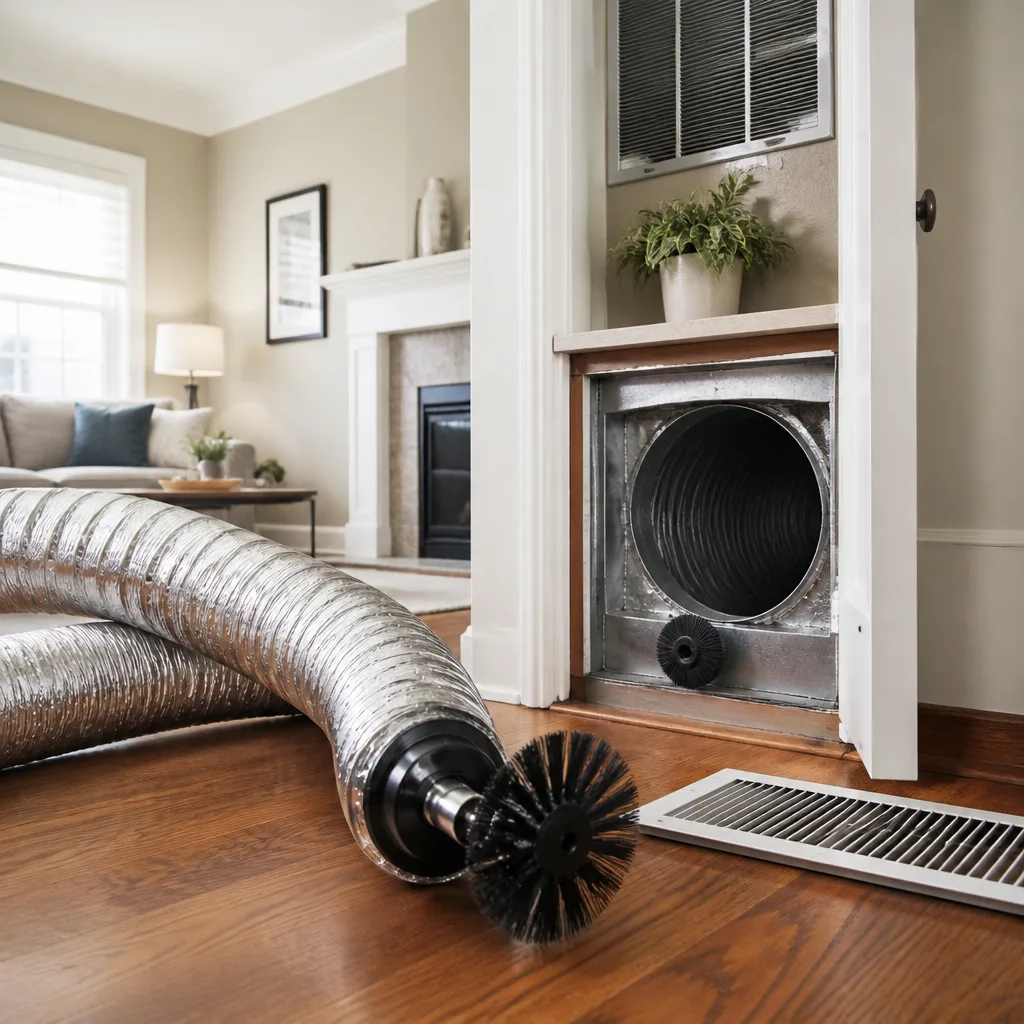 Whole-home duct cleaning
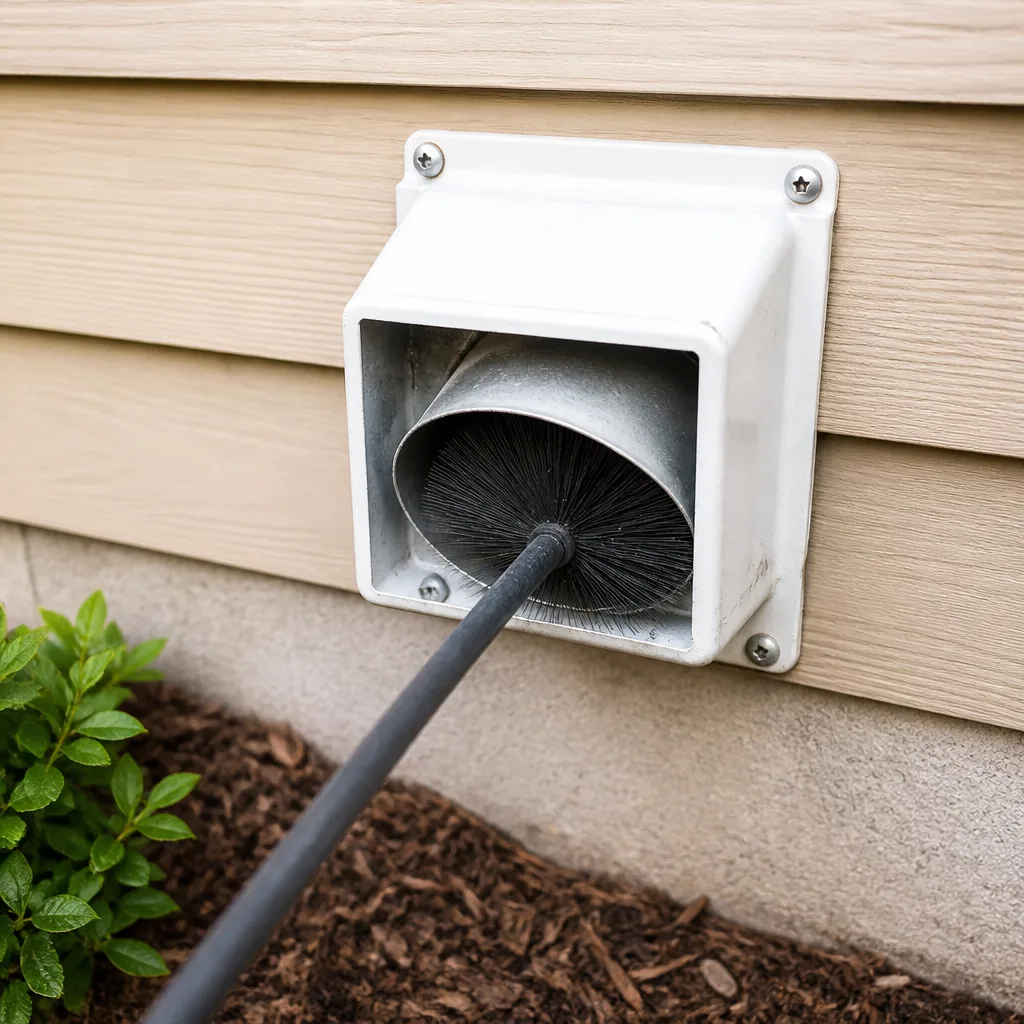 Dryer vent cleaning
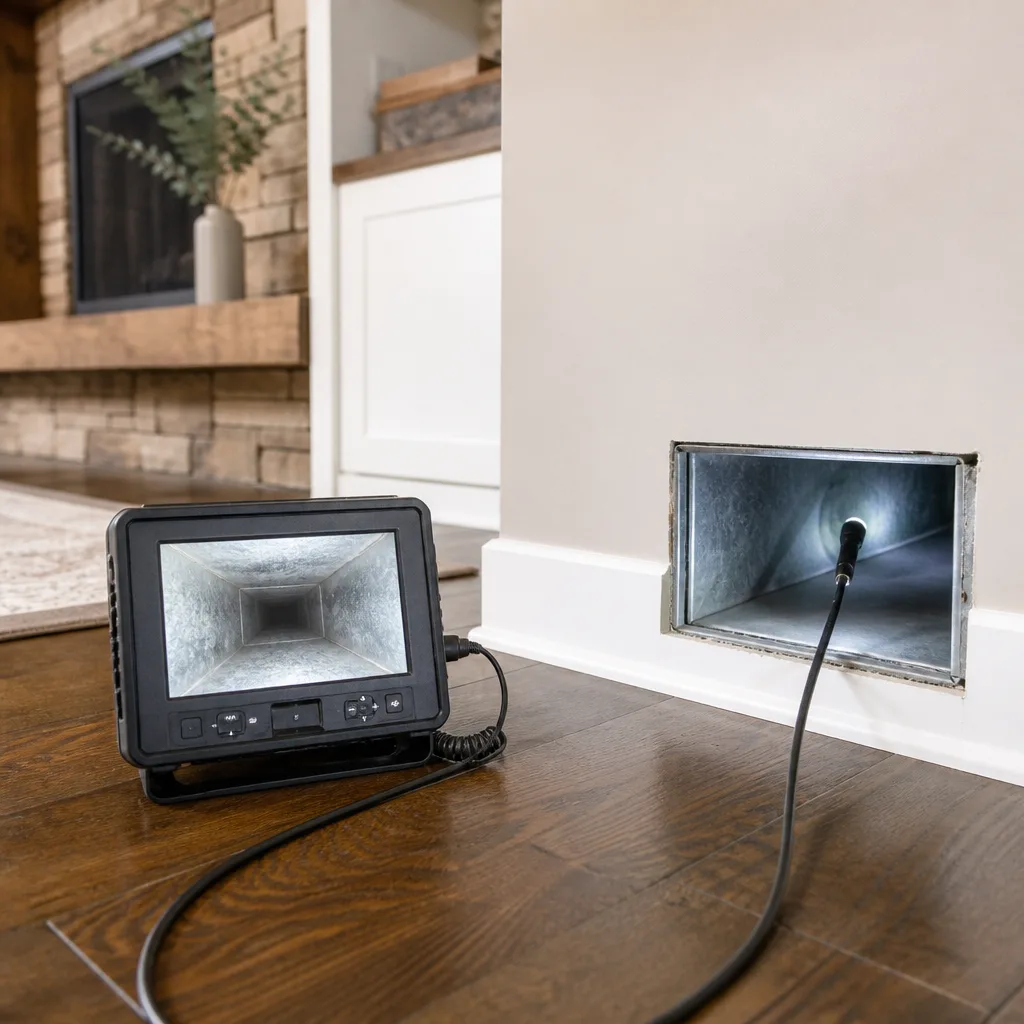 Camera inspection
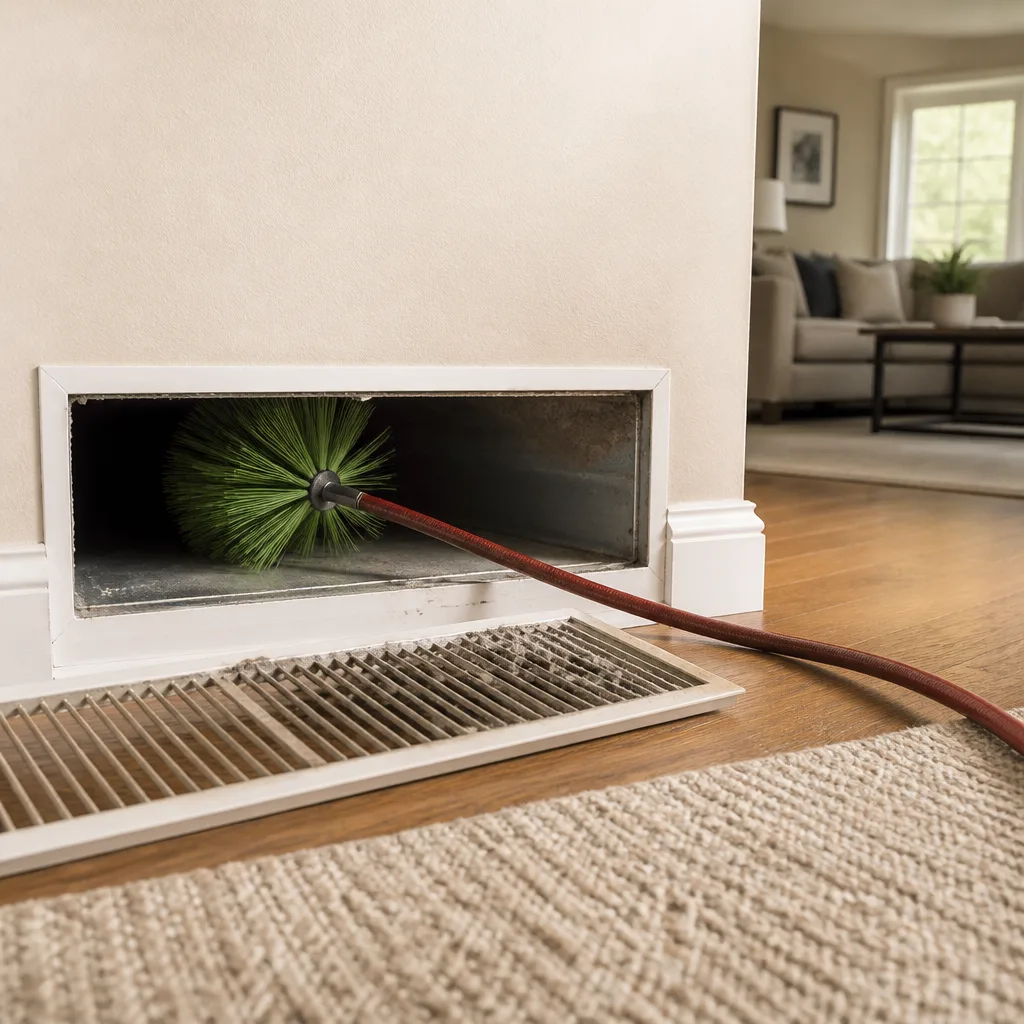 Sanitizing & deodorizing
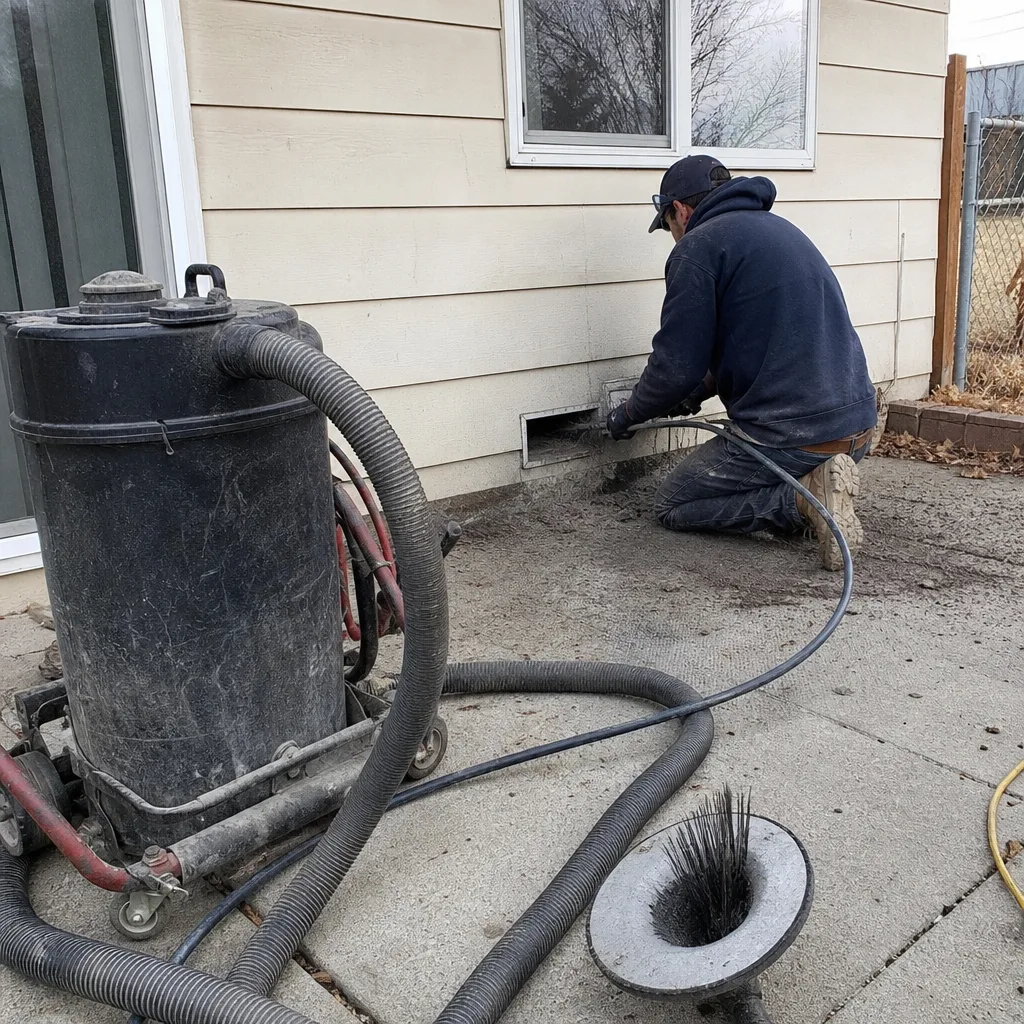
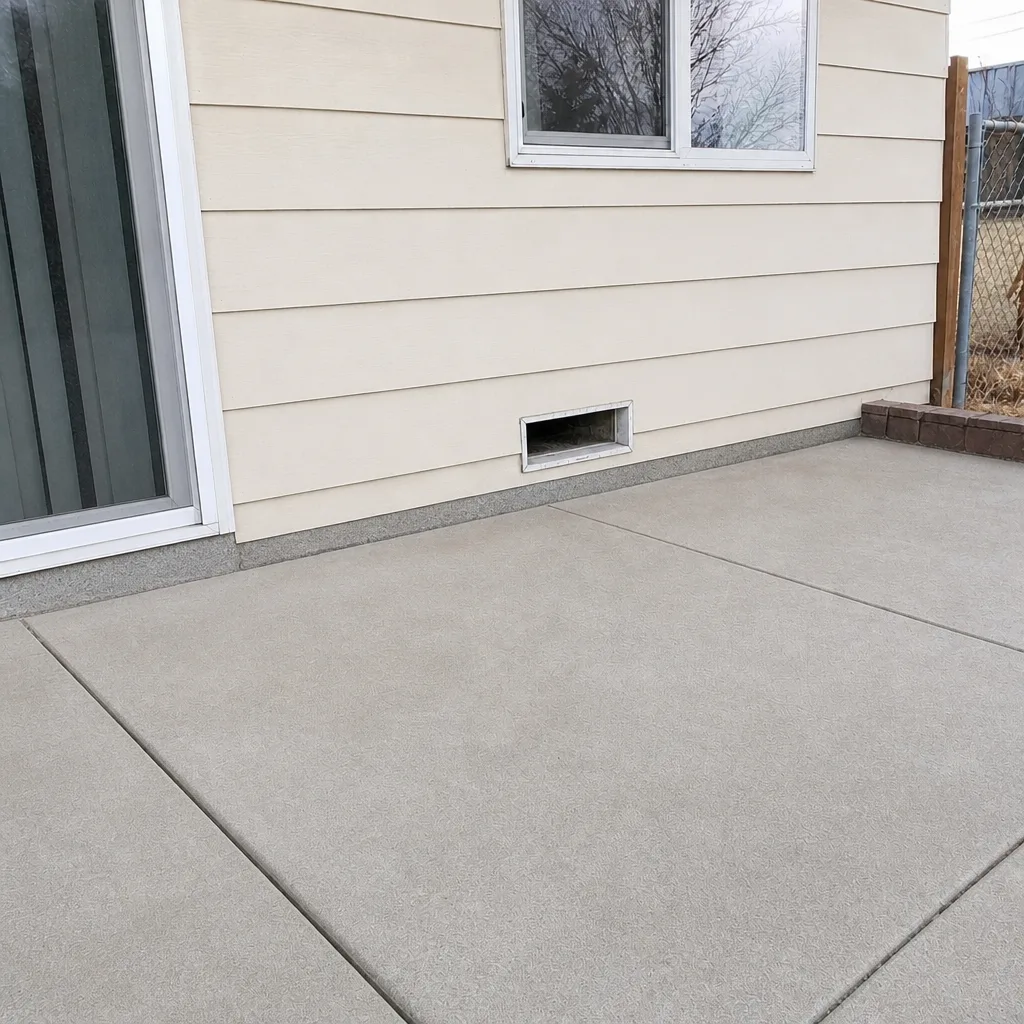
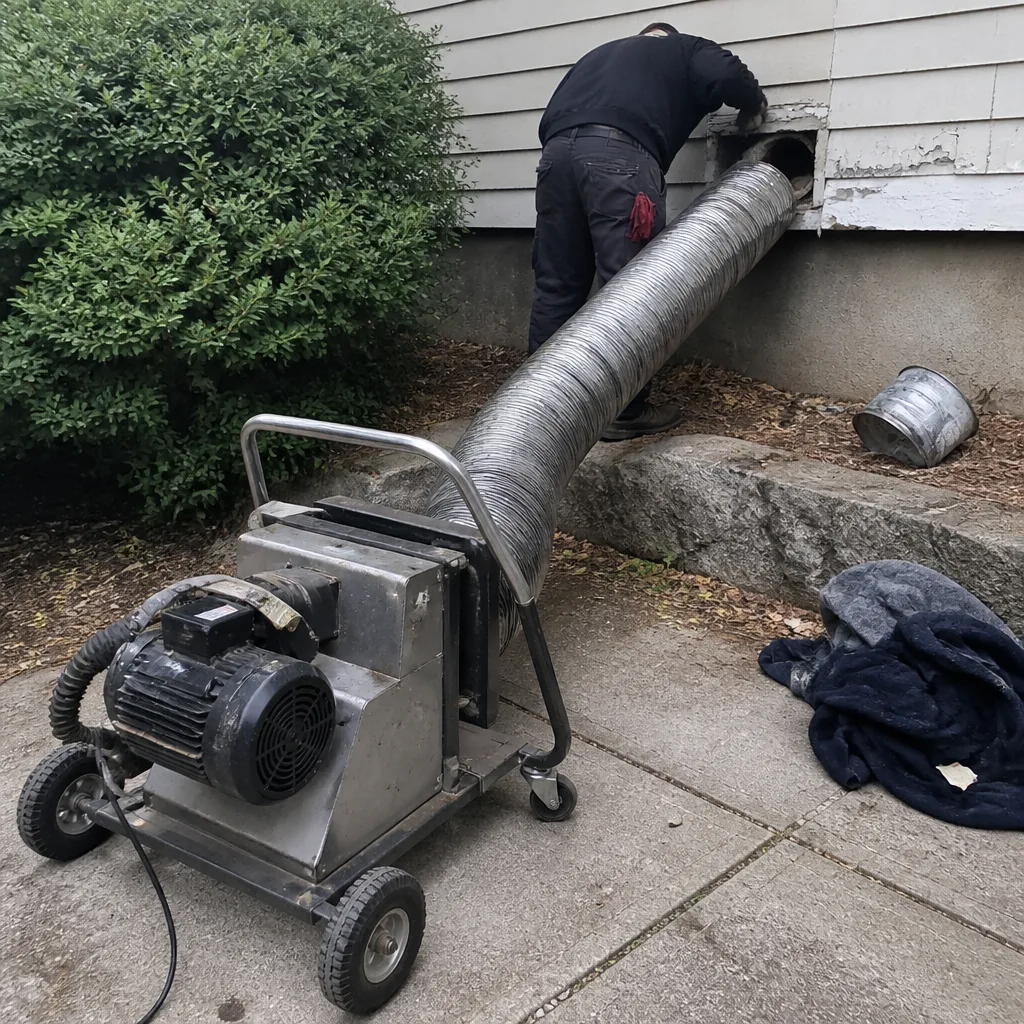
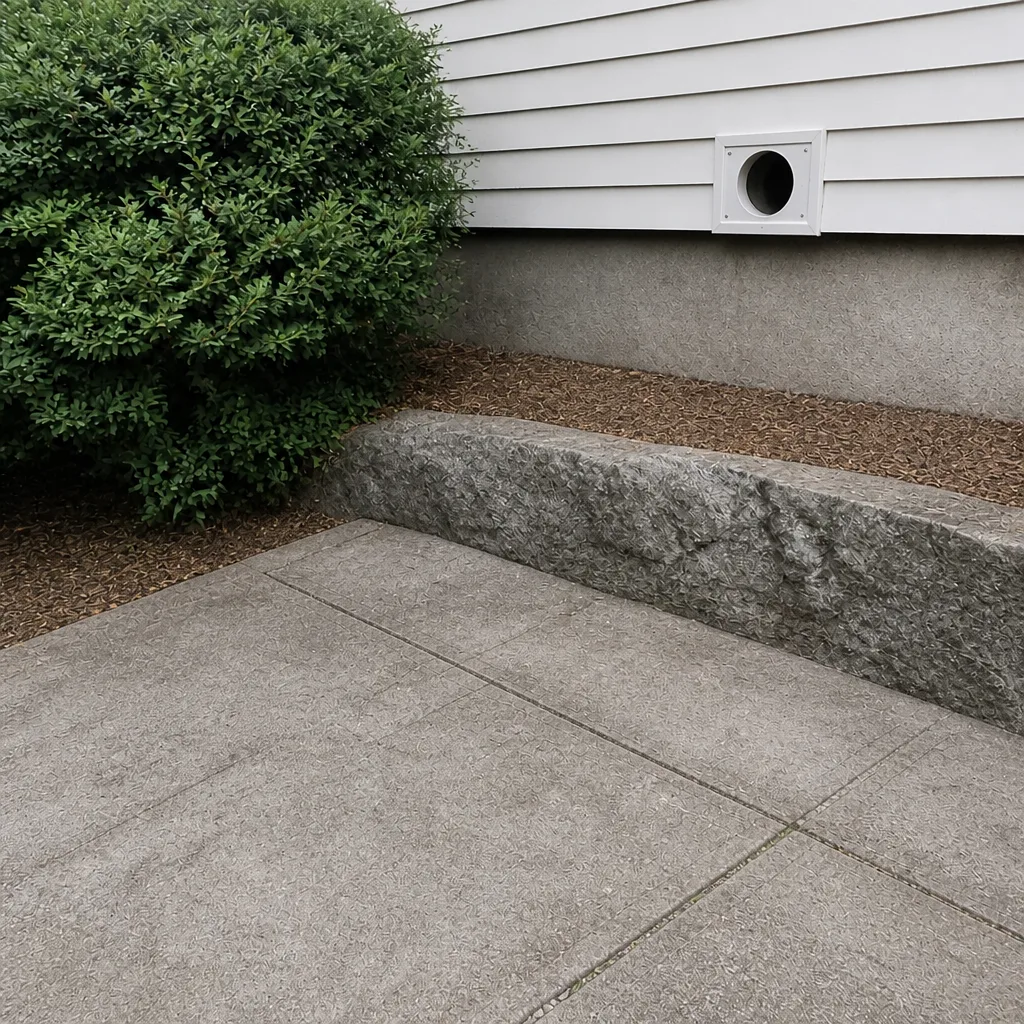
Whole-system duct and dryer vent check with before-and-after photos - you see exactly what came out of your vents
That "$99 whole-house special" is a bait ad - the real number appears once they are in your hallway, or the "clean" is a shop-vac at the register. We photograph the inside of your ducts before and after instead.
Seasonal Air Duct Cleaning Care for West Valley City: Year-Round Homeowner’s Guide
Most homeowners in West Valley City schedule duct cleaning in spring, when the marketing tells them to. That timing is wrong for this valley. Spring cleaning happens after the winter inversion has already spent two months pressing fine particulate into your duct lining, and it happens just before the pollen season that will load the system all over again. By the time summer arrives, the ducts have been through three stress periods without a reset. This guide lays out the actual climate calendar for West Valley City homes: what each season does to your duct system, the best window to clean in, and what to do during the months when cleaning isn’t the right move.
Quick Answer
The best time to clean air ducts in West Valley City is late October through November, before winter inversion season begins. That window clears out the summer dust and pollen load and readies the system for months of closed-window heating, which is the highest-leverage reset of the year. A second cleaning is only warranted after a significant wildfire smoke event or a renovation, not on a fixed annual timetable.
Styles & brands we work with
- Whole-home duct cleaning
- Dryer vent cleaning
- Camera inspection
- Sanitizing & deodorizing
Table of Contents
- Why West Valley City’s Climate Calendar Doesn’t Match ‘Spring Cleaning’
- Fall Pre-Inversion Prep: The Highest-Leverage Cleaning Window
- Winter Inversion Season: What to Do When Cleaning Isn’t Practical
- Spring Allergen Load: Juniper, Cottonwood, and Mulberry
- Summer High-Runtime Stress: Coils, Condensate, and Airflow
- Fall Wildfire Smoke: When Cleaning Is Warranted and When It Isn’t
- Signs Your Ducts Need Attention Before the Next Season
- Building a Year-Round Schedule That Fits Your Home
Why West Valley City’s Climate Calendar Doesn’t Match ‘Spring Cleaning’
Air duct cleaning advice is usually written generically, as if every home sits in the same climate. West Valley City doesn’t. The city sits in the Salt Lake Valley, tucked against the Oquirrh Mountains to the west, and the valley geography that makes it a good place to live also traps air in winter. Cold air settles, warm air sits on top, and the pollution from traffic, industry, and residential heating collects in that trapped layer during the coldest months. That’s the inversion. It’s a real, documented feature of valley winters, and it shapes how duct systems load up here in a way that flat, windy climates don’t experience.
The practical result is that a West Valley City home runs through four distinct stress periods on the ducts each year, not one gradual accumulation of dust. Each period deposits something different:
- Winter: Fine particulate that settles into duct lining during inversion days, when windows stay closed and the furnace runs continuously.
- Spring: Pollen and organic debris drawn in during the first warm weeks when windows open and the system switches to cooling.
- Summer: Continual runtime stresses the coil, condensate drain, and airflow balancing, and drives thousands of cubic feet of air a day through whatever the ducts are holding.
- Fall: Wildfire smoke events, which move different material through the system than ordinary household dust.
If you clean once in spring, you’re resetting the system and then immediately loading it again with pollen. Clean in late fall, and the reset covers the season that matters most here. Understanding this calendar is the difference between reactive cleaning and actual prevention.
Fall Pre-Inversion Prep: The Highest-Leverage Cleaning Window
October and November are the best months to clean ducts in West Valley City, and the reason is straightforward: you’re cleaning before the season that matters most. Once the first sustained cold snap arrives and the valley fills with trapped air, running a duct cleaning means stirring up whatever is already there during exactly the period you want the system as clean as possible. Cleaning ahead of that window means the system starts inversion season with a clean interior.
A proper fall cleaning is more than surface vacuuming. Here’s what it should include when we perform one:
- Full system inspection first. We run a camera through the trunks and branches before touching anything, because a duct that isn’t sealed properly will just get dirty again the moment the system runs. Identifying loose joints, crushed flex runs, or gaps at the plenum is part of the job, not an upsell afterward.
- Containment setup. Negative-air equipment is placed to keep disturbed particulate from drifting into the living space. We use Abatement Technologies containment tools because they’re built for professional remediation work, which is the level of care a proper cleaning demands.
- Contact cleaning of every run. Rotobrush and Nikro systems work by agitating the duct interior while a vacuum pulls the loosened material out. That’s a fundamentally different method than a low-powered unit that just brushes the surface and leaves the rest behind.
- Repair and sealing of anything found. This is where fall prep pays for itself. A gap at a collar or a torn flex run leaks conditioned air into the attic or crawlspace all winter, which means the system is working harder and pulling dirt in from wherever it can. Sealing the system solves the root cause.
- Filter and airflow check. We confirm the filter is the right rating for the system, note static pressure if it’s a concern, and make sure return vents aren’t blocked by furniture or finished basement walls.
- Optional sanitizing. Guardsman antimicrobial treatments can be applied to the duct interior on request, which some homeowners prefer before the closed-window months begin.
That sequence is the same one we follow on every air duct cleaning call, but the timing is what makes the fall window count. Book it before the first stretch of cold, still air settles in.
Winter Inversion Season: What to Do When Cleaning Isn’t Practical
Once an inversion settles into the valley, running a duct cleaning is usually the wrong move. That might sound strange coming from a duct cleaning company, but the reason is sensible: agitating the duct interior during peak pollution days stirs up fine material that the system will just draw back in. The better approach in winter is to protect the system from loading further. That means three things: filtration, run time, and return vent attention.
Filter upgrades that make a difference in inversion season
The single highest-impact winter move is getting a filter with a properly matched MERV rating. Too low and it doesn’t capture fine particulate. Too high and it chokes airflow, which strains the blower and can bring its own problems. Honeywell and Aprilaire filtration products are what we typically recommend and install, and the right pick depends on the furnace and duct design. A filter cabinet upgrade to a thicker media filter often makes more sense than a series of thin 1-inch filters, because the thicker media maintains airflow while holding more particulate.
Run-time adjustments during peak pollution weeks
Counterintuitively, running the fan longer during inversion days can help. In a well-sealed system with a good filter, more circulation means the filter does more work. A technician can check whether your thermostat supports continuous fan operation and whether your system is sized to run that way without overworking the blower.
Return vent attention
The dirtiest ducts in most West Valley City homes are the return runs, and the return vents are where the dust enters. Check that return grilles are unobstructed, that they’re not clogged with pet hair, and that basement or closet returns aren’t pulling from a space that’s actually dirty. A clogged return vent is a strain on the whole system, not just a spot to vacuum.
If you need help during inversion season, call us. We can inspect, advise on filtration, and book a cleaning into the spring window if that makes more sense than doing one now.
Spring Allergen Load: Juniper, Cottonwood, and Mulberry
Spring in West Valley City is a burst, not a gradual warm-up. The valley’s juniper trees pollinate early, typically in late winter and early spring, and then cottonwood and mulberry arrive on their heels. If you’ve ever seen the cottony fluff drifting through the neighborhoods near the Utah Cultural Celebration Center or along the residential streets of Granger, you know what the local tree load looks like. Those are the weeks when a home’s ducts start drawing in material that’s meaningfully different from ordinary dust.
Pollen is finer and more persistent than typical household dust. It doesn’t settle as readily, it clings to surfaces with a slight tack because of its structure, and it’s light enough that any HVAC run will pull it straight out of the air and deposit it in the return duct. For a homeowner with allergy concerns, the practical sequence in spring should look like this:
- Check your filters more often than usual. A filter that would normally last three months might load up in four to six weeks during peak pollen. Pull it out and look at it, not the calendar.
- Keep windows closed during high-pollen days if allergies are a concern. The system with a good filter will handle the load better than open windows will.
- Watch the returns. If return grilles are dusting up in a matter of days, the ducts are moving material that hasn’t been cleared out.
- Plan the cleaning for early fall if you missed the prior window. A spring cleaning does reduce load in the short term, but if you’re choosing one cleaning per year in West Valley City, fall is the better move.
Homes with pets see this amplified. Pet hair doesn’t need pollen to make return runs filthy, and it collects in the same way. If you have both pets and allergies, the spring assessment is where a cleaning plan typically starts. That’s the moment to look at whether it’s a pollen problem alone or whether the ducts have been holding more than you think.
Summer High-Runtime Stress: Coils, Condensate, and Airflow
West Valley City summers push an HVAC system into long run times, and long run times stress more than the ducts themselves. Before the hot months, the system deserves a proper look at three areas, and this is where an HVAC cleaning covers ground that a duct-only service misses.
Coil inspection
The evaporator coil sits inside the air handler, upstream of your supply ducts. When it’s caked with dust and debris, the refrigerant can’t absorb heat efficiently, which means the system runs longer, cools less, and the coil can eventually freeze. Cleaning the coil is part of the HVAC service, and skipping it means the cleaning you did on the ducts is only part of the work.
Condensate drain checks
An air conditioner pulls a surprising amount of water out of the air, and that water leaves through the condensate line. If that line is partly blocked, water backs up, and the damage can show up as ceiling stains or overflow. A quick check and flush of the drain line is a simple step that prevents a much bigger repair.
Airflow verification
Airflow is where duct condition and system performance meet. A system that’s short-cycling, running long cycles without reaching setpoint, or cooling some rooms well and others poorly often has an airflow problem, not a refrigerant problem. We verify that supply runs are open, returns are clear, and duct sizing isn’t blocking the system. If a flex run is pinched or disconnected in an attic or crawlspace, that discovery is exactly why repair and sealing matters as a service, not an add-on.
One additional note for summer: the same months that push HVAC runtime also stress your dryer vent cleaning schedule, since laundry loads often increase in summer with towels and outdoor clothing. A clogged dryer vent is a fire concern, not just an efficiency issue, and it should be checked alongside your HVAC review.
Fall Wildfire Smoke: When Cleaning Is Warranted and When It Isn’t
Fall in West Valley City brings a different kind of air quality event than the rest of the year: wildfire smoke that drifts into the valley when the wind and pressure patterns line up. Smoke behaves differently in ducts than ordinary dust. The particles are extremely fine, often sub-micron, and their chemistry includes ash and combustion byproducts that leave an odor and a residue. It’s not the same material as pollen or pet dander.
Whether a cleaning is warranted after a smoke event depends on a few factors:
- Severity and duration. A brief smoke episode that lifts after a day rarely calls for a full cleaning. A multi-day event where you kept the windows shut and ran the system nonstop is a different situation.
- Filter condition. If your filter was loaded after the event, it did its job. Replace it. That catches much of the smoke that got pulled into the system.
- Odor in the duct system. If you can smell smoke at a supply register after the smoke event has cleared outside, it’s sitting in the ducts and filter and a cleaning is likely warranted.
- Residue on interior surfaces. A proper inspection can tell you whether duct interiors are coated with fine smoke residue that won’t simply air out.
What you should not do after every smoke event is schedule a cleaning “just in case.” It’s not the right move for a brief event, and the honest answer is worth more than a booked appointment. If you’re unsure, a call is a better first step than a cleaning.
Signs Your Ducts Need Attention Before the Next Season
Duct systems don’t announce their condition. They give you signs, and if you know what to look for, you can plan a cleaning around them instead of reacting to a problem. The patterns we see most often in West Valley City homes:
- Visible dust on return grilles within days of cleaning them. That’s not surface dust; it’s deposition from the duct interior.
- Uneven room comfort. A cold bedroom in winter or a warm one in summer can indicate an airflow problem related to a crushed or disconnected duct run.
- Persistent odor when the system starts. That musty smell when the HVAC kicks on is often the system pulling air through dirty ducts.
- Recent renovation or remodeling. Drywall dust, sawdust, and construction debris settle into duct systems quickly and need to be removed rather than just filtered.
- Pet hair in visible return grilles. If you can see it on the grille, it’s in the return duct behind the grille.
- Allergy symptoms that track with HVAC runtime. Not a substitute for medical advice, but a pattern worth watching if symptoms rise when the system is running.
- Recent wildfire smoke event. See the smoke section above for whether a cleaning is warranted or overkill.
If two or more of these are on your list, it’s worth scheduling a professional inspection before the next season. That’s the moment when cleaning prevents a problem instead of catching up with one.
Building a Year-Round Schedule That Fits Your Home
A generic “clean once a year” plan doesn’t fit every home in West Valley City, because the load isn’t the same everywhere. A home in Hunter with two dogs and a family of five will accumulate different material than a condo near City Hall with one resident. Here’s how we think about building a schedule that actually matches the home:
- Start with a baseline inspection. Before scheduling any cleaning, we look at the system: duct condition, airflow, filter rating, and known issues. That inspection sets the plan.
- Anchor the first cleaning to the fall pre-inversion window. Late October through November is the reset that matters. Everything else is scheduled relative to it.
- Assess whether a second cleaning is warranted based on the home. Multi-pet households, homes with allergy concerns, and homes that have had significant renovation work may benefit from a mid-year check. That’s a judgment call, not a program you buy into.
- Pair the cleaning with a system check. Duct cleaning without airflow and repair review can miss the reason the ducts got dirty fast in the first place. Repair and sealing protect the cleaning investment.
- Handle dryer vent cleaning on its own cycle. The dryer vent is a separate system from the HVAC ducts and should be inspected on its own schedule.
- Replace filters on condition, not calendar. This is where a West Valley City home differs from a generic recommendation. During inversion season and pollen season, filter changes come faster.
What we don’t do is sign homeowners up for a fixed subscription and show up whether the system needs it or not. The calendar here is a starting point, not a formula.
Common Mistakes to Avoid
- Cleaning in mid-spring because “spring cleaning” is the marketing default. By the time spring arrives, you’re resetting the system and then immediately reloading it with juniper, cottonwood, and mulberry pollen. Cleaning in late fall covers the season that matters most in West Valley City.
- Cleaning during an active inversion. Agitating the duct interior while the valley is holding fine particulate just stirs up more of the material you want out. Wait for the inversion to clear, or focus on filtration in the meantime.
- Choosing a cleaner by lowest price. Low-powered equipment that brushes the surface of the duct and pulls a weak vacuum doesn’t achieve what a professional-grade system does. The difference shows up in the air you’re breathing, not on the invoice.
- Skipping the repair review. A duct that isn’t sealed will get dirty again, sometimes within a week. Cleaning without addressing gaps, torn flex, or disconnected runs means the next cleaning is on a shorter clock.
- Assuming a filter change is a full cleaning. A filter catches what’s airborne. It doesn’t remove what’s already settled into duct lining. The two are complementary, not interchangeable.
- Not asking for before-and-after photos. A cleaning you can’t verify isn’t a cleaning you know happened. A proper company will show you what the ducts looked like before and after.
- Ignoring the dryer vent because it’s separate from HVAC. The dryer vent is a fire risk concern on its own schedule. It doesn’t get attention from an HVAC service, and skipping it because the ducts were just cleaned is a real oversight.
See the difference
 Before
 After
 Before
 After
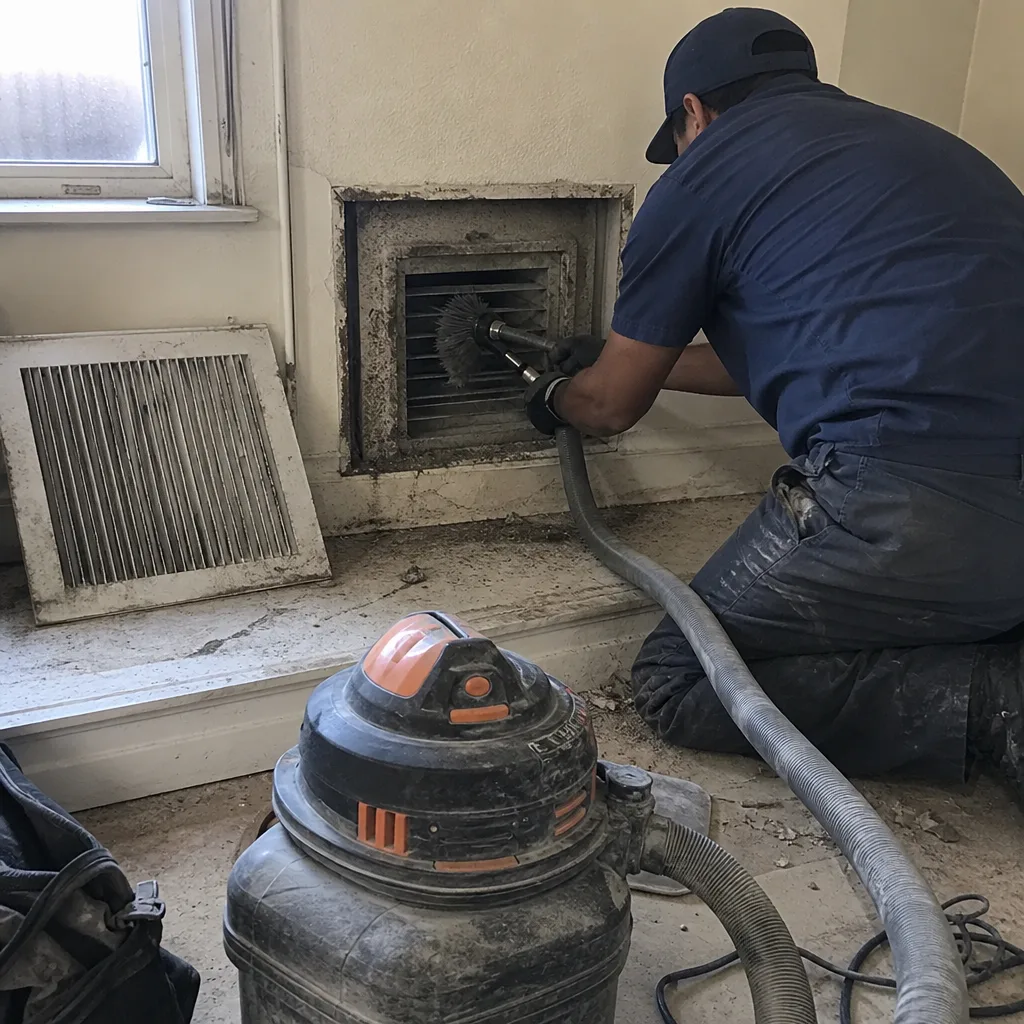 Before
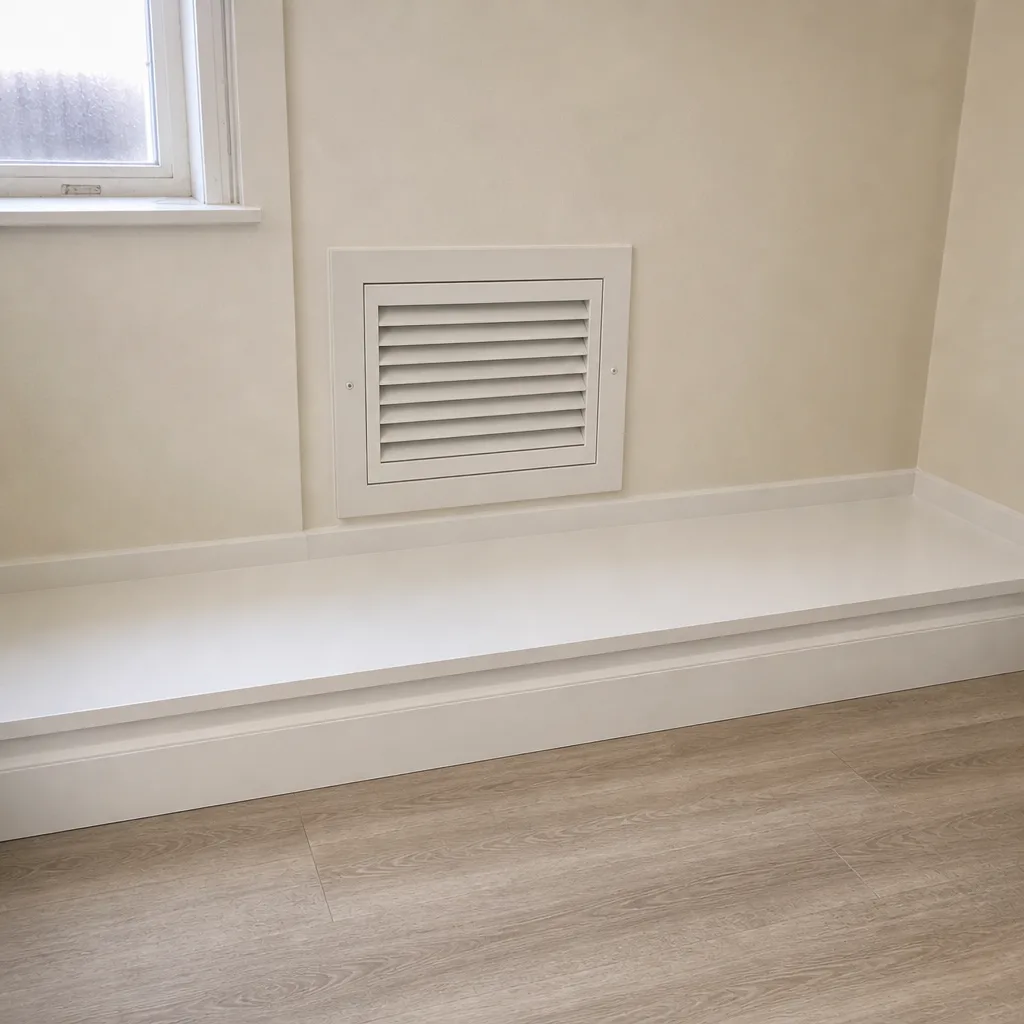 After
When to Call a Professional
Some things are homeowner territory. Filter changes, keeping return grilles clear, and watching for signs are all reasonable to handle yourself. Other situations call for a professional: a duct system you’ve never had inspected, a home that’s been through a renovation, a house where you can see dust returning within days of cleaning the grilles, or a system that’s running long cycles without satisfying the thermostat. If you’ve had a wildfire smoke event that left odor in the supply registers, that’s a professional call too. A proper inspection will tell you whether cleaning is warranted, whether repair and sealing is needed first, and what the system actually needs. West Valley City Air Duct Cleaning offers free estimates in West Valley City – call (844) 443-4789.
Frequently Asked Questions
Once a year is a reasonable baseline for most West Valley City homes, scheduled in the late fall before inversion season. Homes with pets, allergy concerns, recent renovations, or significant wildfire smoke exposure may benefit from a cleaning more than once, and homes with few occupants and no pets may go longer. The best answer comes from an inspection, not a rule of thumb.
Fall is better. Cleaning in late October through November means the system starts inversion season with a clean interior, and it clears the pollen load that spring put in. A spring cleaning isn’t wrong, but it comes after the season that deposits the most problematic material. Call (844) 443-4789 to schedule a fall cleaning before the calendar fills up.
An inversion is a weather pattern where cold air sits below warmer air, trapping pollution in the valley. During inversion days, West Valley City homes run the heating system continuously while windows stay closed, which drives fine particulate from the outdoor air into duct lining. Cleaning ahead of inversion season is the practical response.
Not always. A brief smoke episode where you kept the windows closed and your filters were in good shape usually doesn’t require a full cleaning. Longer, multi-day events, or any event where you can smell smoke at the supply registers after it’s cleared outside, are the situations where a professional inspection is worth scheduling.
Equipment and process. Professional-grade systems like Rotobrush and Nikro agitate the duct interior and pull the material out with proper vacuum, and work is contained with Abatement Technologies negative-air equipment so disturbed particulate doesn’t drift into the home. Discount operators often use low-powered units that only address the surface of the duct. Ask any company what equipment they use and how they contain the work.
Cheaper quotes usually reflect cheaper equipment, less time on the job, or a scope that skips the repair review. A proper cleaning involves full containment, professional-grade cleaning of every run, and repair and sealing of any problems found. If a quote looks significantly below others, ask what’s actually included and what equipment is being used. Call (844) 443-4789 for a written estimate that spells out the scope.
The Bottom Line
West Valley City homes don’t run on a generic duct cleaning calendar. They run on a four-season cycle that peaks in winter inversion season and reloads in spring pollen and fall wildfire smoke. The single highest-leverage decision a homeowner here can make is to schedule the cleaning before the inversion window, not after it. Pair that cleaning with a proper system review so that repair and sealing close off the gaps letting dirt back in, and use filter upgrades to protect the system during the months when cleaning isn’t practical. Four seasons, one scheduled reset, and a plan that actually fits the valley.
If you need help sorting out what your system actually needs, we offer West Valley City Air Duct Cleaning across the full system, from ducts to HVAC to dryer vents, using Rotobrush, Nikro, Abatement Technologies, and Honeywell and Aprilaire products. Call (844) 443-4789 for a free estimate. We answer 24/7. Fast dispatch from 7am to 7pm, Sunday through Friday.
Written by the team at West Valley City Air Duct Cleaning.