
Last updated November 24, 2026
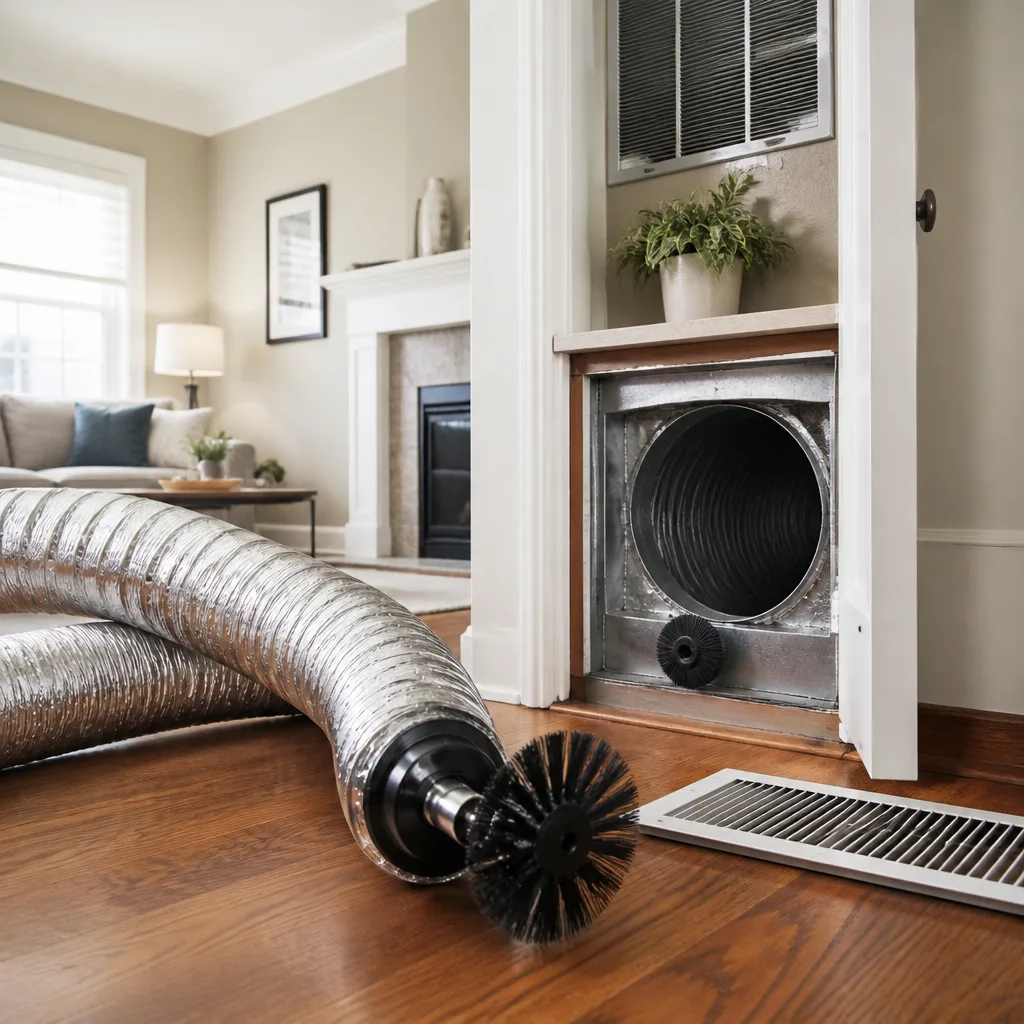 Whole-home duct cleaning
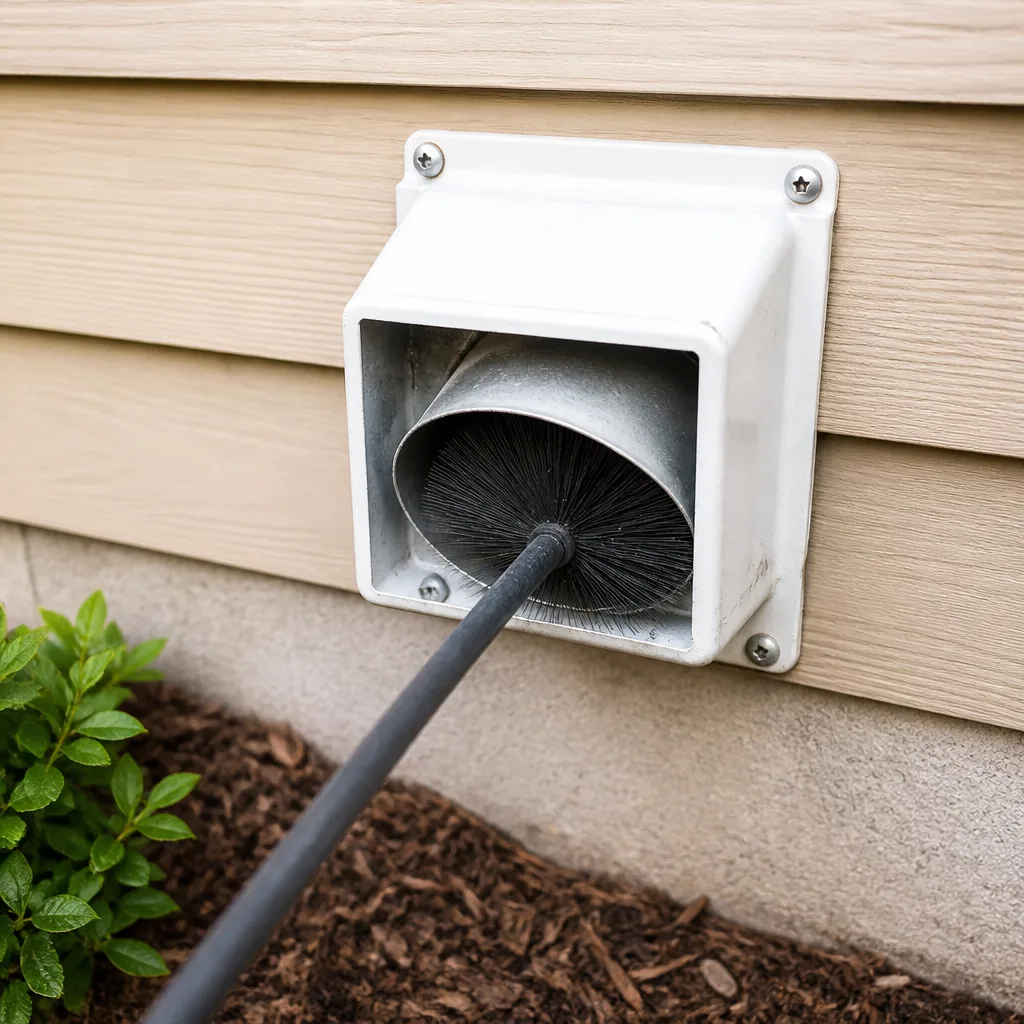 Dryer vent cleaning
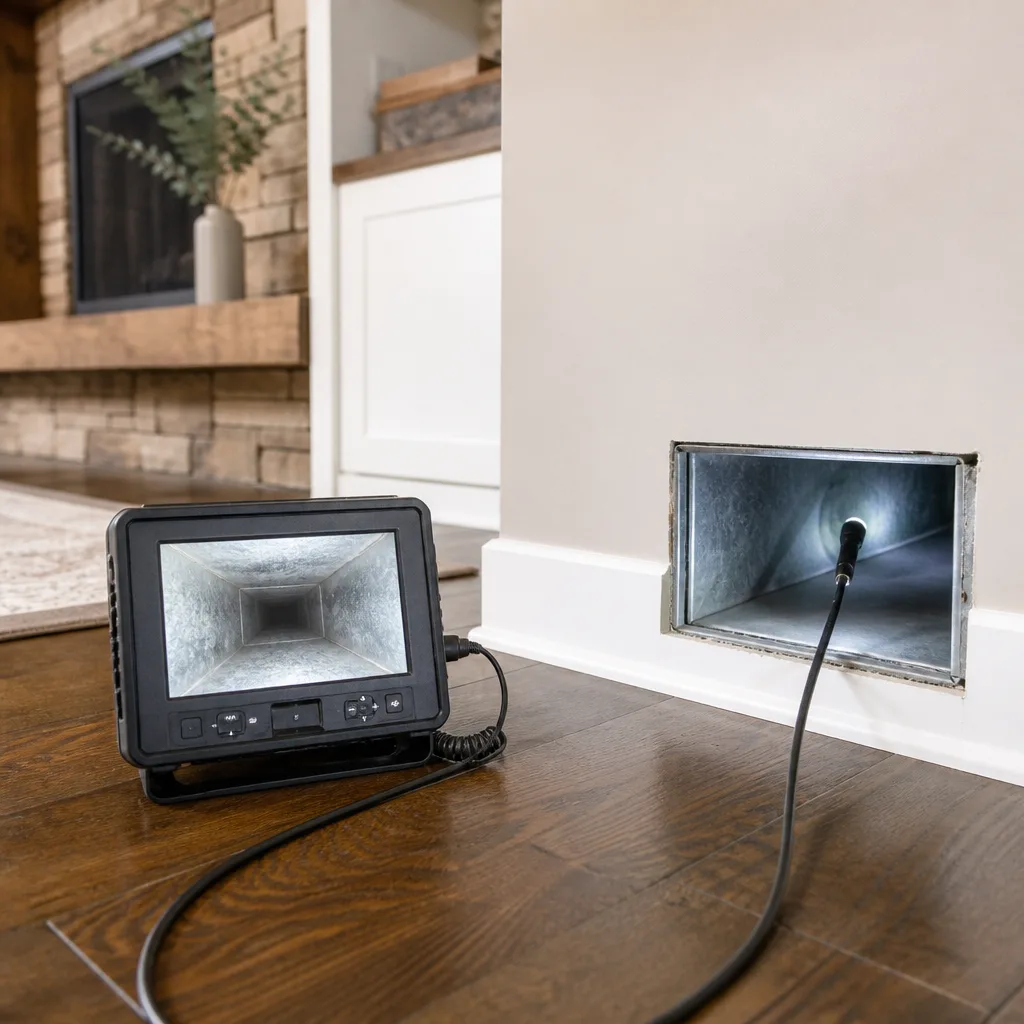 Camera inspection
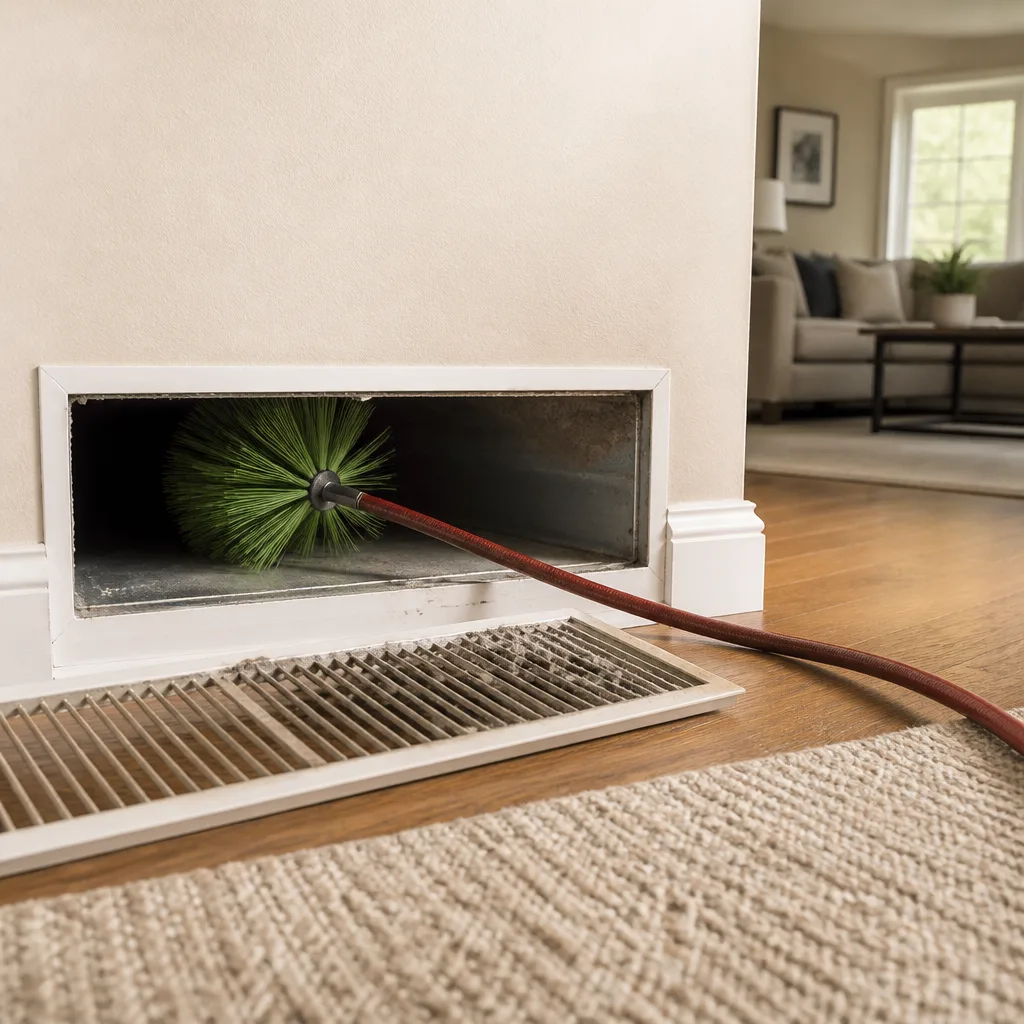 Sanitizing & deodorizing
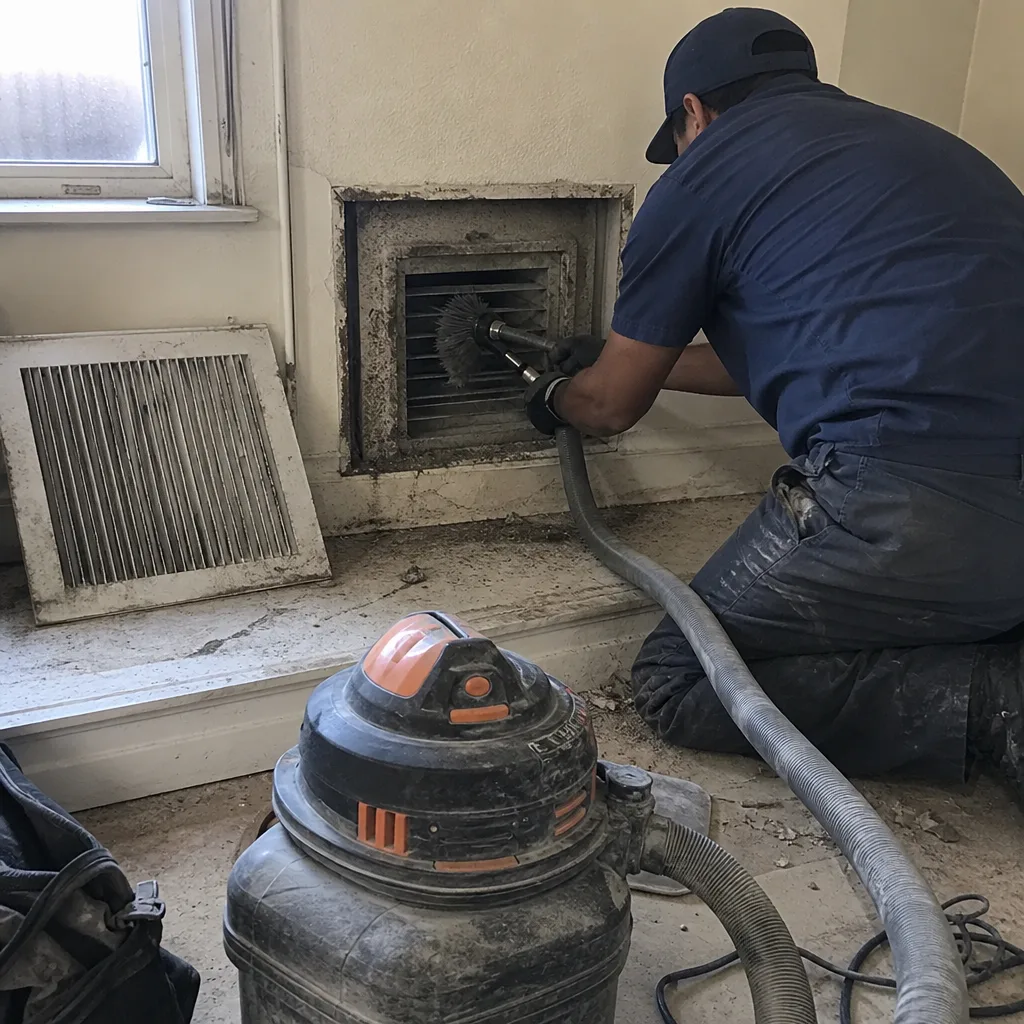
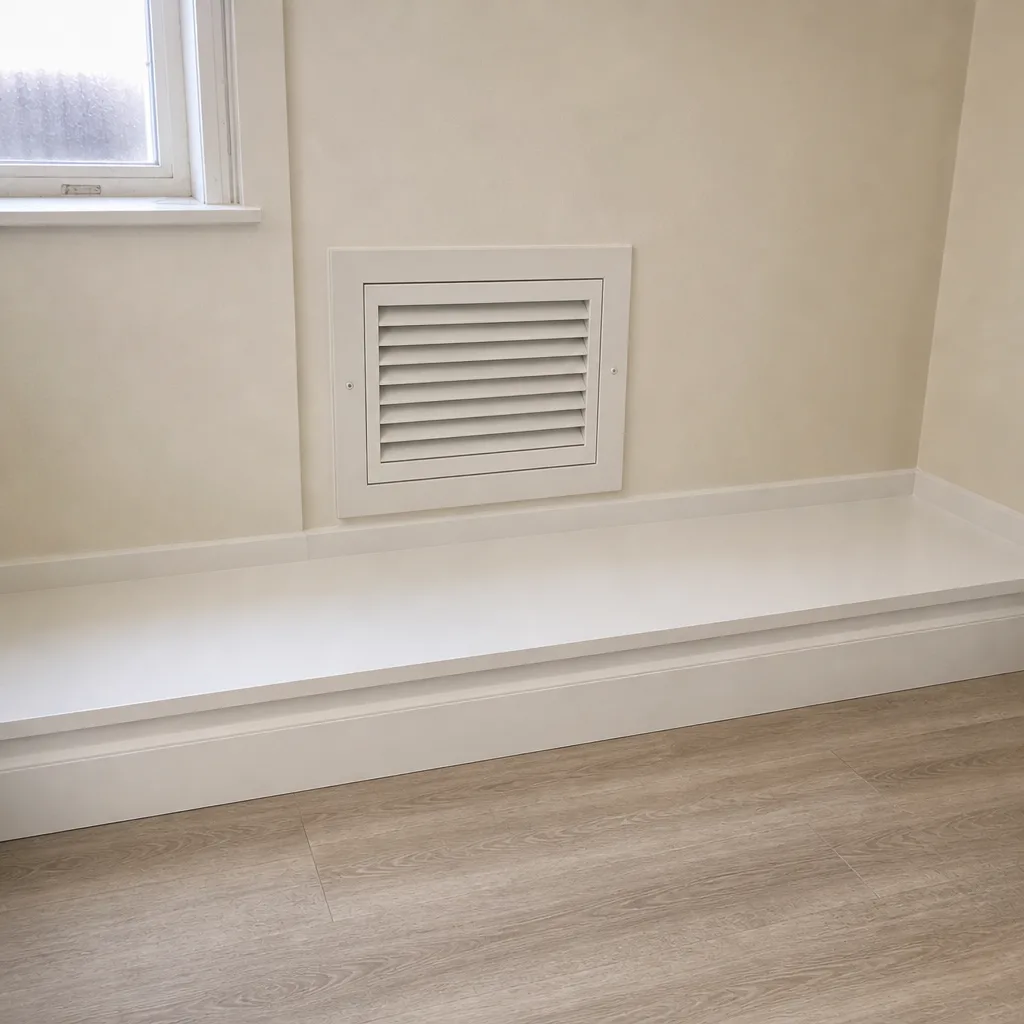
Whole-system duct and dryer vent check with before-and-after photos - you see exactly what came out of your vents
That "$99 whole-house special" is a bait ad - the real number appears once they are in your hallway, or the "clean" is a shop-vac at the register. We photograph the inside of your ducts before and after instead.
Choosing the Right Air Duct Cleaning Brand: A Buyer’s Guide for West Valley City
One of the most recognized national duct cleaning brands licenses its name to independent operators who each set their own equipment standards, training levels, and pricing. The logo on the truck tells you nothing about what’s on the other end of the vacuum hose. A homeowner in West Valley City comparing three companies with the same franchise sign out front may be comparing three completely different operations: one running professional contact-vacuum equipment, one using a shop vac and a brush, one pushing a coupon that balloons into a larger invoice once the technician is inside. This guide gives you a framework for judging what actually matters – equipment, certification, process, and documentation – so you can hire on evidence rather than on a name.
Quick Answer
The right air duct cleaning brand to hire in West Valley City is the one that can show you its equipment, prove its technician certification, document the work before and after, and name a flat price per system before anyone touches your ducts. National franchise names guarantee none of those things. A company using professional-grade contact-vacuum systems such as Rotobrush or Nikro, with proper containment tools and the ability to repair and reseal what it finds, delivers verifiable results regardless of the logo on its paperwork.
Styles & brands we work with
- Whole-home duct cleaning
- Dryer vent cleaning
- Camera inspection
- Sanitizing & deodorizing
Table of Contents
- Franchise vs. Independent: What the Brand Name Actually Means
- Equipment Benchmarks That Separate Professional Work From Cheap Work
- What NADCA Certification Means, and How to Verify It
- How to Read Reviews for Duct Cleaning Specifically
- Why West Valley City’s Housing Stock Changes the Equation
- Here’s What a Proper Job Actually Looks Like, Step by Step
- Documentation: How Do You Know the Work Was Done?
- How Much Should Air Duct Cleaning Cost in West Valley City?
- Why Full-System Capability Beats a Single-Service Operator
Franchise vs. Independent: What the Brand Name Actually Means
A duct cleaning franchise sells its name and a basic business framework to a local owner-operator. That operator then decides what vacuum unit to buy, what training to require of the technicians, how the work is priced, and how much time each job gets. The franchise may set a minimum standard. Enforcement varies. Some franchise locations run excellent equipment and methodical crews. Others are essentially a marketing operation that bought the sign and skimps on everything behind it.
So what does the national name actually buy you? Not much on its own. It buys a recognizable logo and, sometimes, a corporate complaint line. It does not buy a specific vacuum, a specific certification, or a specific standard of containment. That’s the trap. When homeowners search for the best air duct cleaning company in West Valley City, a familiar franchise name feels safer than an unfamiliar local one. The instinct is backwards.
Here’s what to evaluate instead, on any operator:
- Equipment, named and specific. Ask what vacuum and agitation system they use. A company that answers with a brand and model is a company that knows its equipment.
- Containment. Negative-pressure containment keeps dislodged dust from drifting into your living room. Ask whether they use it.
- Technician certification. Individual certification, not corporate membership, is what shows a trained person is doing the work.
- Repair capability. If they find a disconnected joint or a crushed run, can they fix it? Or do they only note it and leave?
- Flat pricing per system. The price is agreed in writing before work starts.
An independent specialist in West Valley City can meet every one of those standards. So can a franchise location. The point is that the name on the truck is not the evidence. The equipment and the process are. When you’re ready to compare actual services rather than logos, you can start with our air duct cleaning page and see how the work is described line by line.
Equipment Benchmarks That Separate Professional Work From Cheap Work
Duct cleaning lives or dies on the equipment. Loose dust in a duct system has to be dislodged, captured, and removed. Do any one of those poorly and the homeowner ends up with a cleaner-looking vent and a dirtier house. Three pieces of equipment matter, and each one tells you something about the operator’s standard.
The vacuum collection unit. Professional systems build real static pressure and hold it through the whole job. Rotobrush and Nikro are the two most common professional-grade names on contact-vacuum and negative-pressure setups, and their presence on a job tells you the operator invested in proper machines rather than a consumer rig. Low-powered truck-mount units that are common with discount operators can move air but struggle to maintain capture once the agitation starts kicking debris loose.
The agitation system. Brushing and air whipping dislodge the compacted dust that has bonded to duct walls. Rotobrush rotary brush systems and Nikro air tools are what we use because they reach the whole run, not just the first few feet behind the register. Hand-brushing a couple of vents and calling it a cleaning is the classic shortcut.
Containment and inspection tools. Abatement Technologies negative-air equipment is the kind of gear professional remediation crews rely on, and its use signals a higher standard of contaminant capture during cleaning. Camera inspection lets the technician see the duct interior before and after, which is how problems get found and, just as important, proven resolved.
Ask any company you’re considering which of these they carry. A one-word answer with a real brand name is worth more than a long pitch. Our technicians have up to 9 years of experience working with this equipment, and the difference shows the moment the job begins.
What NADCA Certification Means, and How to Verify It
NADCA, the National Air Duct Cleaners Association, sets a widely recognized standard for how duct cleaning should be done. That standard has two levels, and buyers routinely confuse them. Company membership means the business has joined the association and agreed to follow its standards. Technician certification means an individual person passed an exam and holds a credential. A company can be a member while the person on the ladder is not certified, and a certified technician can work for a company that is not a member.
Ideally you want both. Here’s how to check in three steps:
- Ask for the company’s association status in writing. Either they hold membership or they don’t. A vague answer is an answer.
- Ask who will do the work and whether that person is certified. Names and credentials should be easy for the office to confirm.
- Verify independently. NADCA publishes lookups so you can check a claimed membership or technician credential against its records rather than taking the phone rep’s word.
What certification does not do is guarantee the work. A certified technician with weak equipment will still do a weak job. Treat certification as one gate in a longer fence, not the whole fence. It proves training. It doesn’t prove capture, containment, or that anyone will repair a disconnected flex run rather than shrug at it.
We’ve seen enough written quotes from around West Valley City to know that most of them mention no certification at all. If the credential isn’t offered up, ask for it. A company that does this work to standard will answer quickly because they’re used to the question.
How to Read Reviews for Duct Cleaning Specifically
Review volume is the least useful signal in this category. A business with hundreds of reviews can be a well-managed franchise that runs a fast in-and-out operation and aggressively requests five stars. A smaller operator with a few dozen reviews can be the one doing the real work. What separates them is the content of the reviews, not the count.
Here’s what to actually look for in the wording:
- Specific process details. Reviews that mention negative air, a camera, before-and-after photos, or a named piece of equipment usually come from customers who watched the job. Those reviews describe what happened.
- Reviews that mention a problem fixed. A disconnected duct, a crushed run, a sealed joint – a review that says the company found and repaired an airflow problem is a strong positive signal.
- How complaints are answered. Look for companies that respond to criticism with specifics rather than stock reassurance. The reply style tells you how they handle issues after the sale.
- Suspicious patterns. A wall of brief, generic five-star reviews posted in a single burst, with no detail about process or equipment, is a volume play, not a track record.
- West Valley City-specific mentions. Reviews that reference local neighborhoods or the housing style around them are harder to fake than a national stock review.
The pattern worth distrusting most is the “in and out” review – “quick visit, nice guys, five stars” – with nothing about what the crew actually did. Quick is not a compliment in this trade. The thorough job takes time. When the dust inside your ducts hasn’t been touched in years, a fast visit is usually a superficial one.
Why West Valley City’s Housing Stock Changes the Equation
Duct cleaning isn’t one job repeated identically across the country. What’s inside a duct system depends on the climate, the construction era, and how the homeowner uses the house. West Valley City sits in a valley with long, dry summers and dust that travels on the wind, and that dust settles into ductwork the same way it settles on windowsills. That’s a reason to think about dust volume, not a headline for a scare tactic.
Housing in West Valley City spans a wide range. Older homes built in the mid-to-late twentieth century often have flex duct runs that have gone brittle at the joints, along with accumulation from decades of use. Newer subdivisions in the area may have tighter systems with different problems, like undersized returns or flexible duct that has sagged. A job on one is not the job on the other.
What does that mean for a buyer?
- A single pricing model that fits every home is a warning sign. The right company walks the system and quotes per system based on what it sees.
- Flex duct gets disconnected. In older West Valley City homes, a disconnected or crushed flex run is common enough that a company that cannot repair it is leaving the problem in place.
- Dry, dusty summers produce dust-heavy systems. That volume is why agitation and containment gear matter here, not just a quick vacuum at the registers.
- Older homes need sealing as part of the answer. If the ducts leak, cleaning them just means you clean the leaks too. Sealing restores the airflow you’re paying for.
A full-system specialist who understands the housing stock in West Valley City will spot these problems during the walk-through. A national brand operating entry-level gear and a fixed script misses them entirely.
Here’s What a Proper Job Actually Looks Like, Step by Step
Ask two duct cleaning companies to walk you through a job and you’ll hear two different stories. One describes a process. The other describes a price. Here’s what the process should look like, so you can compare what you’re told against a real framework:
- Walk-through and inspection. The technician looks at the system layout, counts the runs, checks the return side, and confirms access points. This is when problems start surfacing.
- Containment setup. Negative-air equipment establishes a sealed work zone so dislodged dust is captured rather than released into the house. This is where Abatement Technologies and comparable gear earns its keep.
- Agitation of each run. Brushing and air whipping loosen the bonded dust along the whole duct run, not just the last few feet.
- Capture and removal. The vacuum collection unit pulls the loosened material out under pressure and holds it there.
- Trunk and return cleaning. The main trunk lines and the return side get the same treatment. A job that skips the returns is only half done.
- Camera check and photos. The technician inspects the interior before and after and shows you the images.
- Identify repairs. Disconnected joints, crushed runs, and sagging duct get flagged, and with the right company, repaired and sealed the same visit.
- Optional sanitizing. Guardsman antimicrobial treatments can be applied to the duct interiors on request.
The full-system scope matters here. A company that cleans ducts, handles dryer vent cleaning, and also does HVAC cleaning can tend to the airflow chain as a whole instead of handing you off to someone else. Everything gets cleaned against the same standard, on the same visit.
One safety note. If the technician raises a concern about electrical wiring, gas connections, or a component that needs hands-on work in a live panel, that’s the moment to bring in a trained professional. Nobody should be poking around a gas line or an energized panel during a cleaning job. We flag it and let the licensed trade handle it.
Documentation: How Do You Know the Work Was Done?
This is the most underrated question in the whole category. Ducts are hidden. Once the technician packs up, the system looks exactly the same from the outside. If you can’t see the work, you have to be shown the work. A serious operator has a built-in answer.
The standard is simple: before-and-after photos of your own ducts, not stock images pulled from a brochure. The camera goes in, the technician captures the condition of each run, and you see the difference. Some companies also document the containment setup and the vacuum reading. Ask what proof you’ll receive when the job is finished.
A few specific things to request:
- Photos of each major run before cleaning and after, tied to locations in the house.
- A note of any repairs found and confirmation of what was repaired and sealed.
- A summary of the system – number of runs, condition observed, work performed.
If a company can’t show you the before-and-after, you’re being asked to trust a promise. That’s the whole industry’s reputation problem in one line. When you’re comparing quotes, ask each company what documentation you’ll receive. The answers will separate the operators quickly. You can see how we approach the whole system at West Valley City Air Duct Cleaning, and you can call (844) 443-4789 for a free estimate on your home.
How Much Should Air Duct Cleaning Cost in West Valley City?
Whole-system duct cleaning in West Valley City typically falls in the $450 to $1,200 range for a full house, with most homes landing in the $600 to $900 band. The final figure depends on the number of runs, system condition, and whether repair or sealing work is needed. It’s not a per-vent price. A per-vent quote is the industry’s bait-and-switch model, because the total only becomes clear once the technician is on site counting vents.
Here’s the framework we’d use to compare line items:
| Scope | Typical Range | Notes |
|---|---|---|
| Full-system air duct cleaning (whole house) | $450 – $1,200 | One flat price per system, agreed before work |
| Dryer vent cleaning | $120 – $220 | Standalone scope, separate from the duct job |
| Duct repair and sealing | $250 – $800 | Depends on how many joints or runs are affected |
| Antimicrobial sanitizing (Guardsman) | $150 – $400 | Optional add-on, applied on request |
| HVAC system cleaning | $350 – $750 | Coils, cabinet, and blower area |
| Camera inspection | Included with cleaning | Before-and-after photos provided |
Those are rough estimates, and the written estimate from the company is what sets the final price. The reason a quote can sit high, low, or in between is what the company assumes about the system before walking it. A company that quotes a price on the phone without looking is quoting a number it fully intends to change.
The honest answer to “why are some quotes so much cheaper” is that they describe a different job. A $99-per-vent coupon isn’t a discounted version of the same cleaning. It’s a superficial pass at the visible registers, often with consumer-grade equipment, with the intent of upselling at the door. The gap between that quote and a real flat price reflects a gap between the two jobs.
Why Full-System Capability Beats a Single-Service Operator
A cleaning-only operator does one thing. Once the ducts are clean, they leave. The problem is that cleaning doesn’t fix a disconnected joint, a crushed run, or a sagging flex section. Those are airflow problems that cause contaminant re-entry and wasted energy, and a cleaning-only operator can only point them out. A full-system specialist can fix them.
That’s the practical difference between “we find problems and report them” and “we find problems and fix them.” When a system has been running with a leak for years, the contaminants that leaked in will leak back in after cleaning unless the gap is sealed. Cleaning without repair means temporary results.
There’s a second layer to this. Air quality is not just about what’s in the ducts. Filters, filtration systems, and air treatment all sit in the same airflow chain. Working with Honeywell and Aprilaire product lines means a company can upgrade filtration as part of the same service visit, rather than handing you off to a separate contractor. Every brand you deal with is part of one plan.
What to ask a company to gauge its real scope:
- Can you repair and seal the ducts? If the answer is no, ask how you’ll deal with leaks after cleaning.
- Do you clean the dryer vent as well? It’s part of the same airflow chain and needs separate attention.
- Do you clean the HVAC cabinet and coils? A clean duct feeding a dirty coil gives you dirty air downstream.
- Can you handle filtration upgrades? If not, you’ll need a second contractor for the filter side.
For the buyer in West Valley City, the practical takeaway is to consider the whole system, not just the ducts. A single operator who covers all of it means one process, one standard, one price, and one point of accountability. Splitting it across three vendors means three processes, three quotes, and three sets of results to compare.
Common Mistakes to Avoid
- Hiring on the franchise name alone. A recognizable logo doesn’t guarantee the equipment, certification, or process underneath it. Ask for specifics on every operator, national or local.
- Accepting a per-vent price. A per-vent quote only tells you a starting number. The flat price per system, agreed in writing before work, is what you want.
- Skipping the before-and-after photos. If a company can’t show you images of your own ducts before and after, you have no way to verify the work was done. Make photos a condition of the job.
- Assuming “fast” means “good.” A quick visit usually skips containment, agitation, or the return side. A proper West Valley City job takes the time required to do all three.
- Leaving leaks in place. Cleaning a duct system that has disconnected or crushed runs just means the leaks pull contaminants back in. Repair and sealing are part of the job, not an upsell.
- Buying on reviews alone. Volume-driven five-star reviews mean little. Look for reviews with specific process or equipment detail.
- Ignoring the housing context. In older West Valley City homes with flex duct, a disconnected joint is a realistic finding. A cleaning-only operator can’t fix what they find.
See the difference
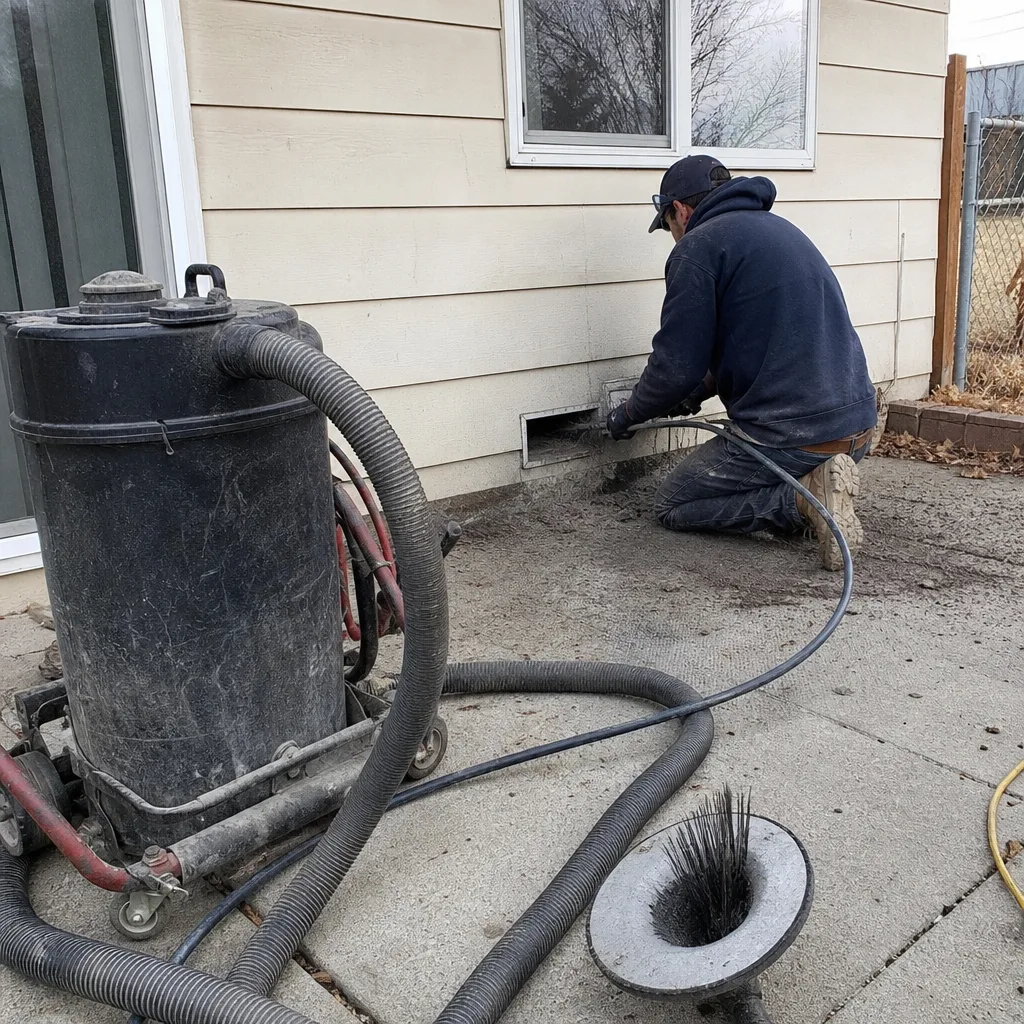 Before
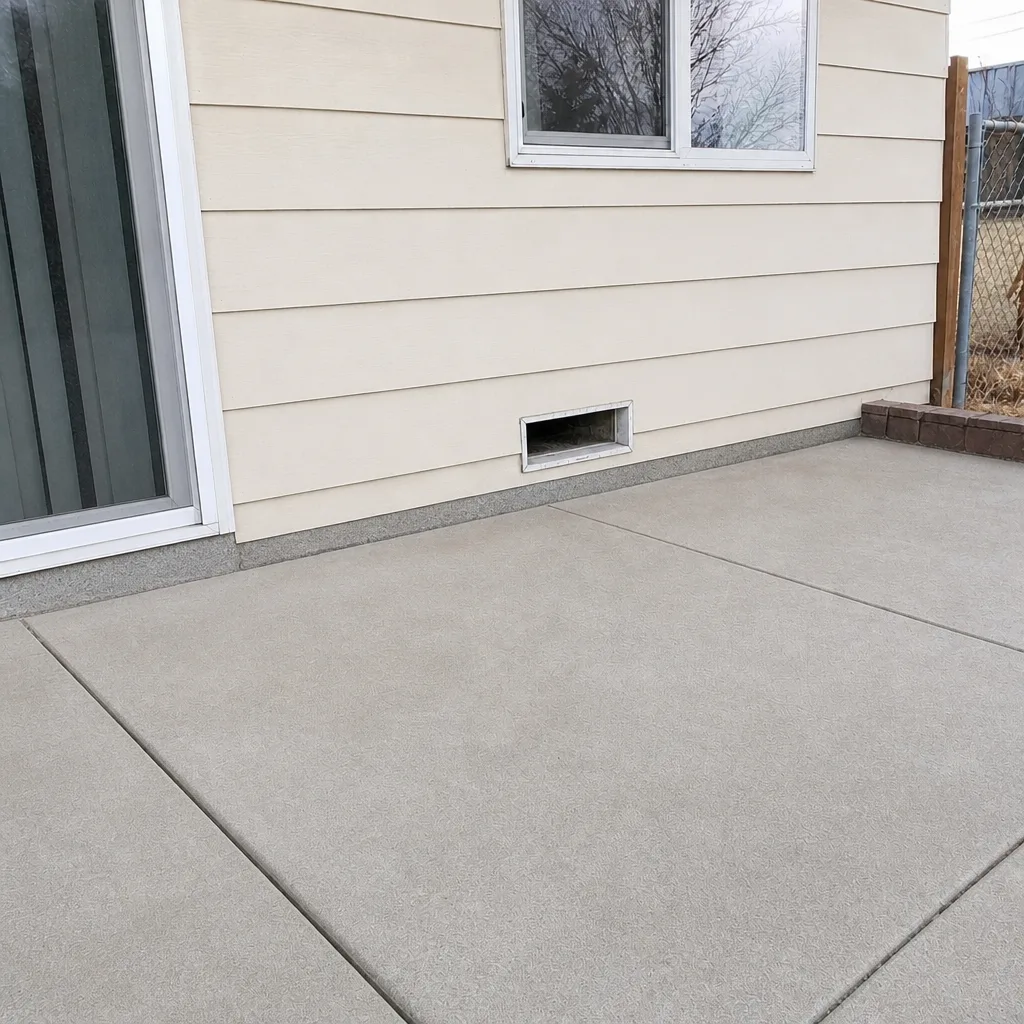 After
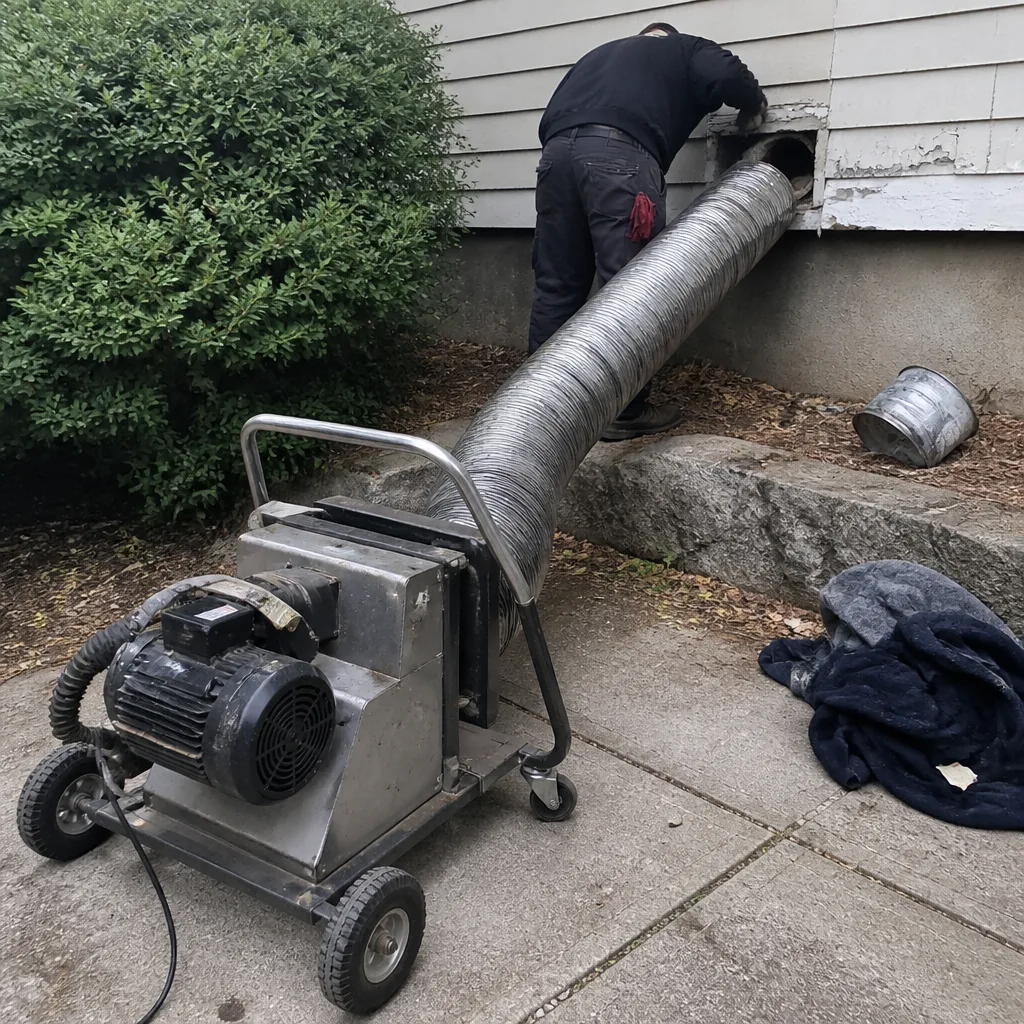 Before
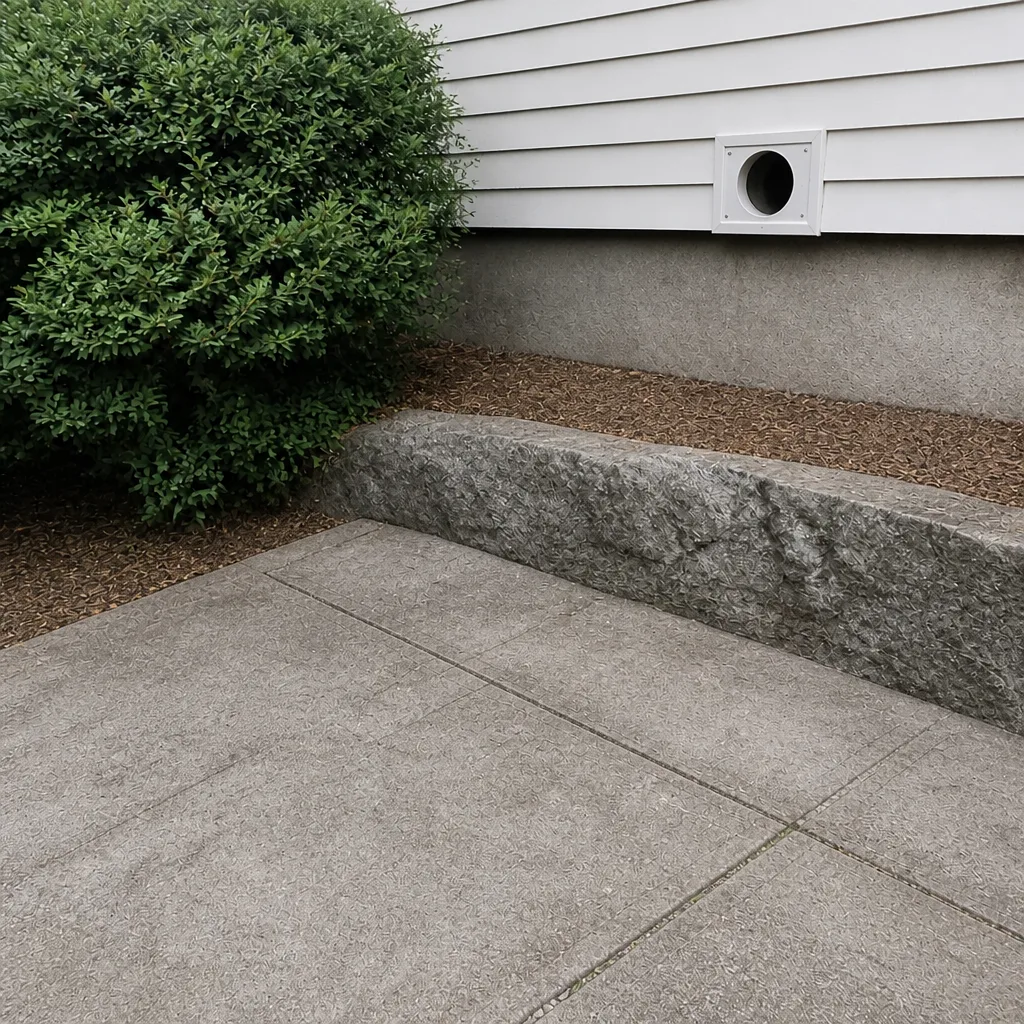 After
 Before
 After
When to Call a Professional
Call a professional when you notice visible dust blowing out of the registers when the system kicks on, when you’ve just finished a renovation that generated drywall dust, or when someone in the house has allergy concerns that get worse indoor rather than out. Call when the house has pets and the dust level has crept up over the years. Call if you’re not sure when the ducts were cleaned last. Dryer vent cleaning is its own case: if you’ve never had it done and the dryer is taking longer to dry clothes, it’s time.
And call when you want an honest assessment of what your system actually needs. West Valley City Air Duct Cleaning offers free estimates in West Valley City – call (844) 443-4789. We answer 24/7. Fast dispatch from 7am to 7pm, Sunday through Friday.
Frequently Asked Questions
A full-house air duct cleaning in West Valley City typically runs $450 to $1,200, with most homes between $600 and $900. The price depends on the number of runs, system condition, and whether repair or sealing is needed. Call (844) 443-4789 for an exact quote – estimates are free.
Cheap quotes usually describe a different job: a per-vent price that becomes a larger invoice once the technician is on site. A real quote is one flat price per system, agreed in writing before work starts. Ask any company for the flat price per system and the documentation you’ll receive. Call (844) 443-4789 for a free estimate with no surprises.
Ask for before-and-after photos of your own ducts. A serious operator has a camera inspection and provides documented images, not stock photos. If a company can’t show you proof, don’t hire them. Call (844) 443-4789 to schedule an inspection with photos included.
For most homes, every two to four years is a reasonable interval. Homes with pets, recent renovations, or allergy concerns often need it sooner. If it’s been a long time, or if you’re not sure it’s ever been done, an inspection will tell you what you’re working with. Call (844) 443-4789 to book a free estimate.
No. The brand name doesn’t guarantee the equipment, certification, or process behind it. A local full-system specialist in West Valley City using professional Rotobrush or Nikro equipment can match or beat a franchise operating entry-level gear. Judge on equipment, process, and documentation. Call (844) 443-4789 if you’d like to compare.
It proves a company or technician has agreed to a recognized industry standard, and for individual technicians, that they passed a credential exam. It doesn’t guarantee the equipment or the quality of the work on any single job, so ask for both membership and individual certification. Call (844) 443-4789 if you have questions about what to look for.
The Bottom Line
The best air duct cleaning company in West Valley City is the one that can demonstrate, not just describe, its equipment, certification, process, and pricing. National franchise names don’t guarantee any of those things on their own. What matters is a flat price per system agreed before work, professional contact-vacuum and containment gear, documentation you can look at, and the ability to repair and seal what gets found. That’s a standard you can check against any quote, any truck, and any logo. If you’d like a free estimate that meets all of it, call (844) 443-4789. We answer 24/7. Fast dispatch from 7am to 7pm, Sunday through Friday.
Written by the team at West Valley City Air Duct Cleaning.