
Last updated November 24, 2026
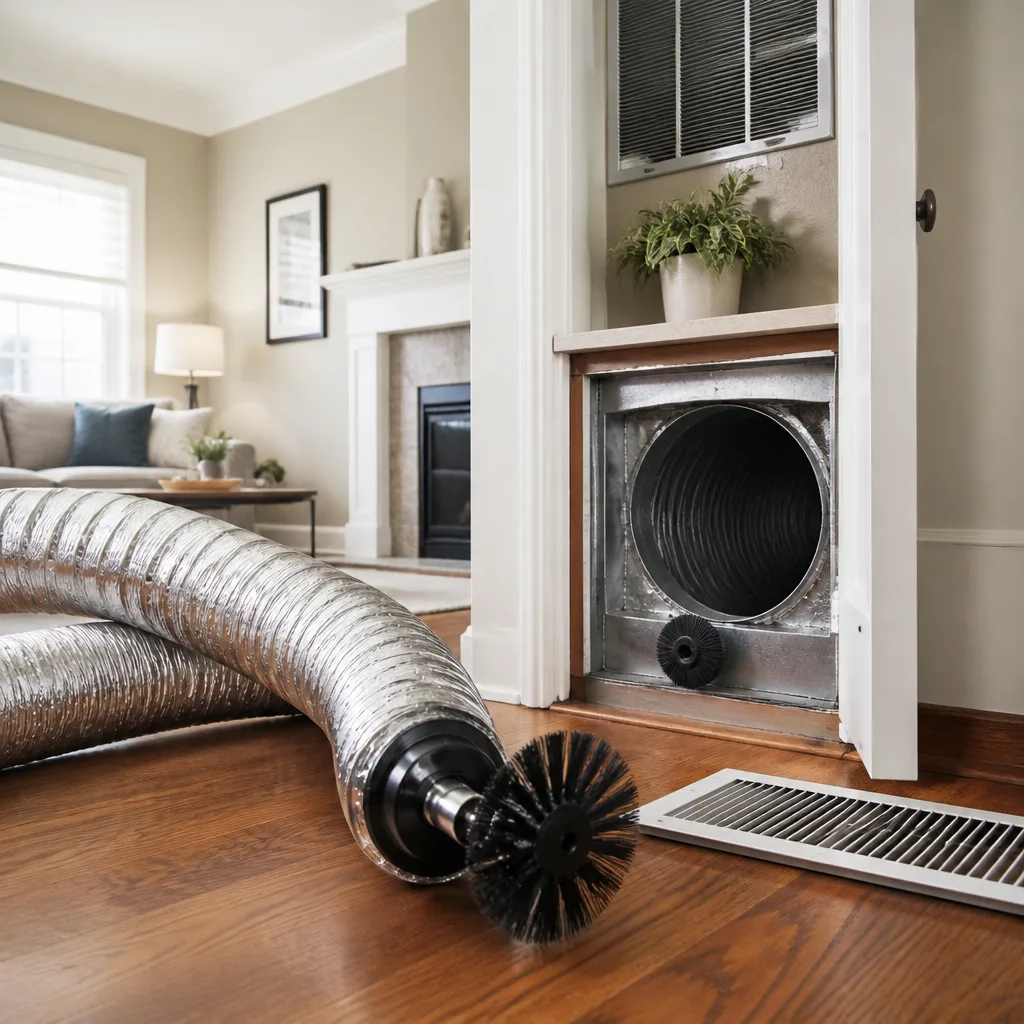 Whole-home duct cleaning
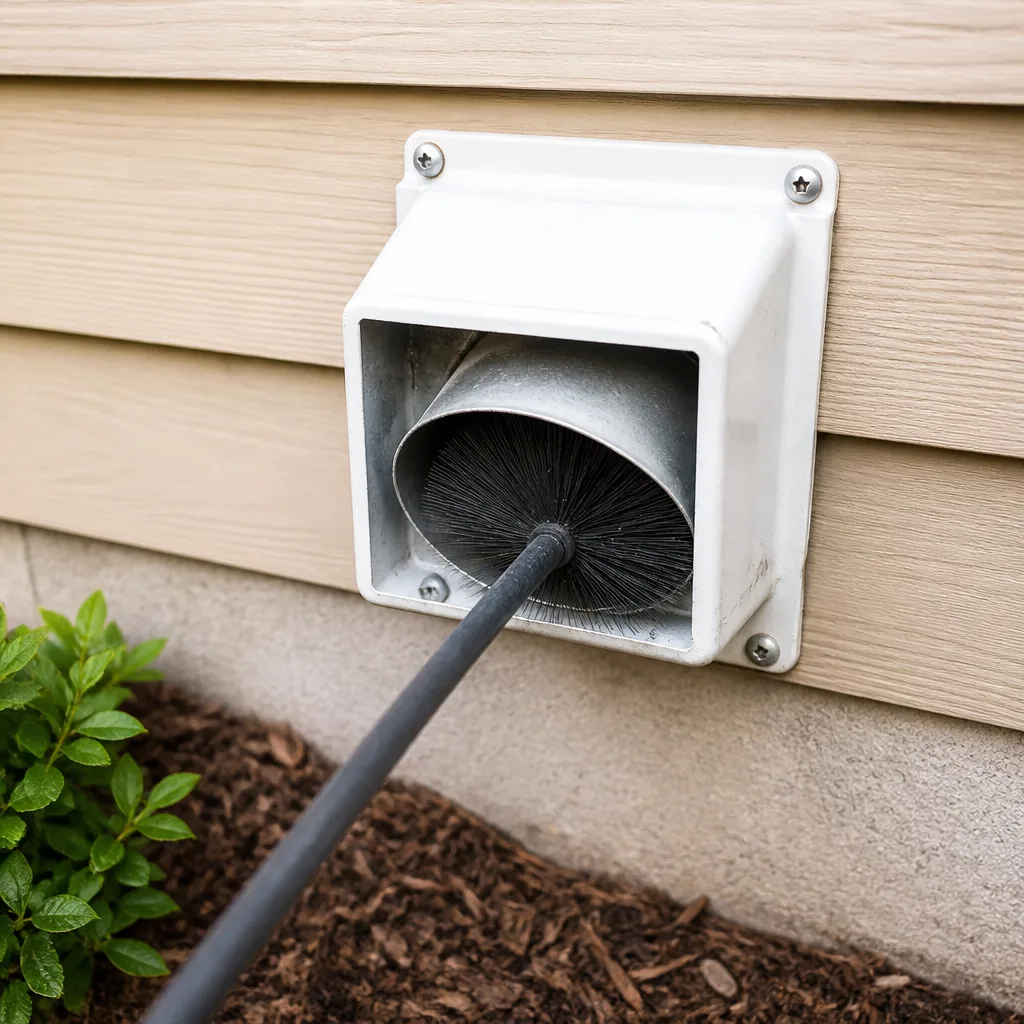 Dryer vent cleaning
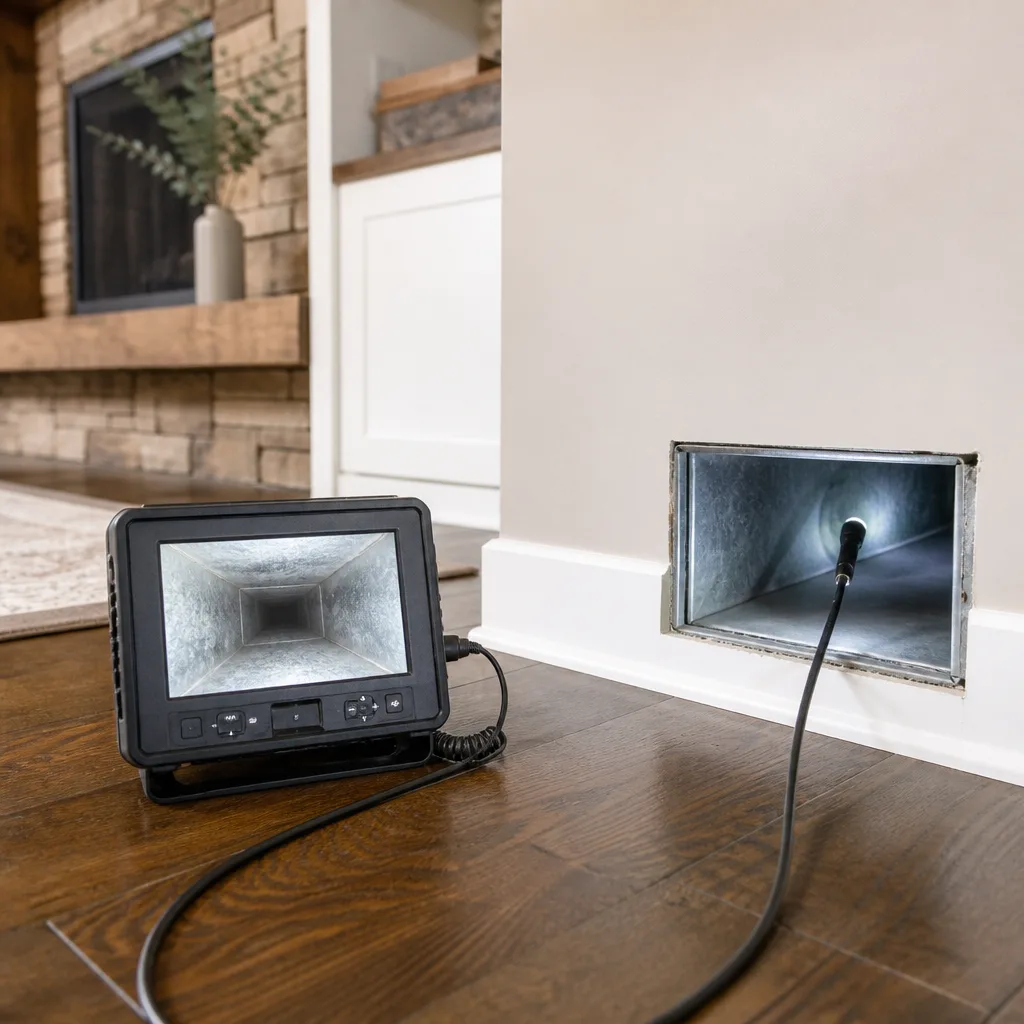 Camera inspection
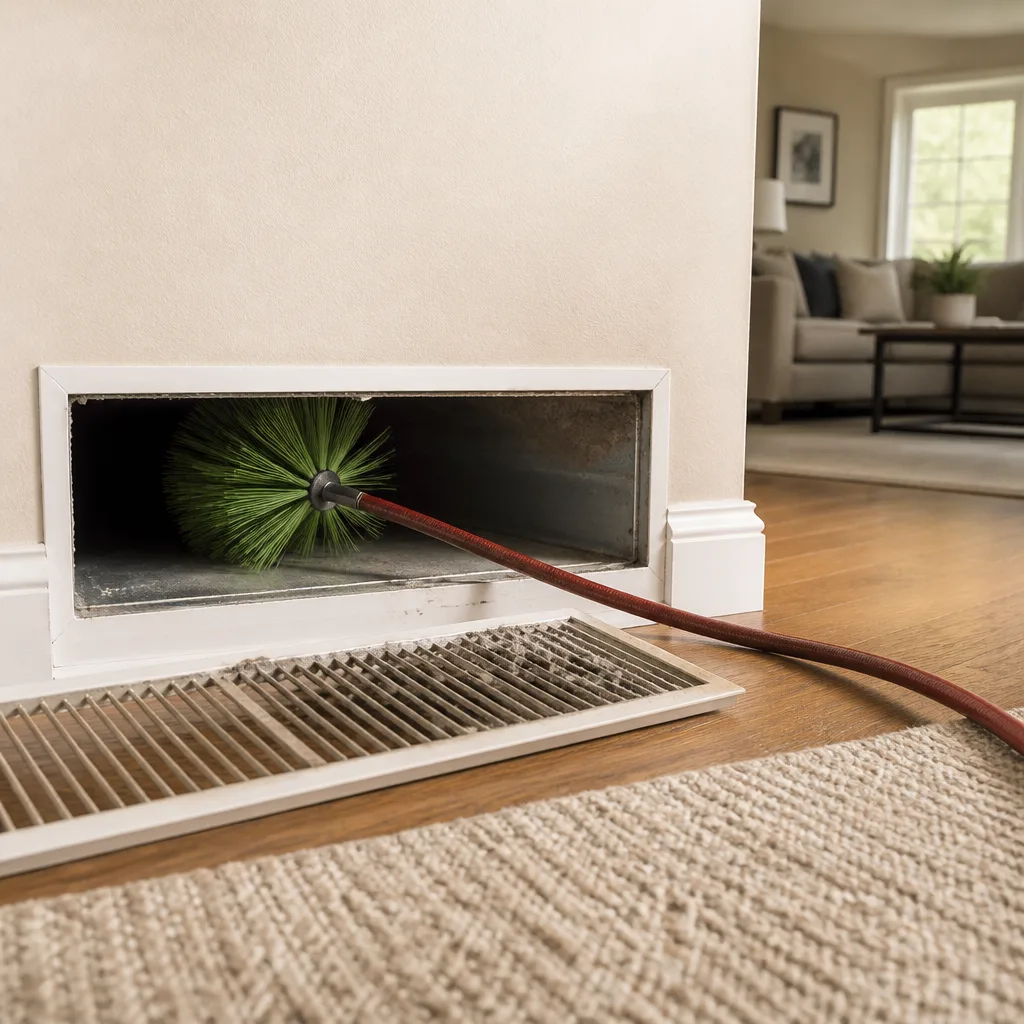 Sanitizing & deodorizing
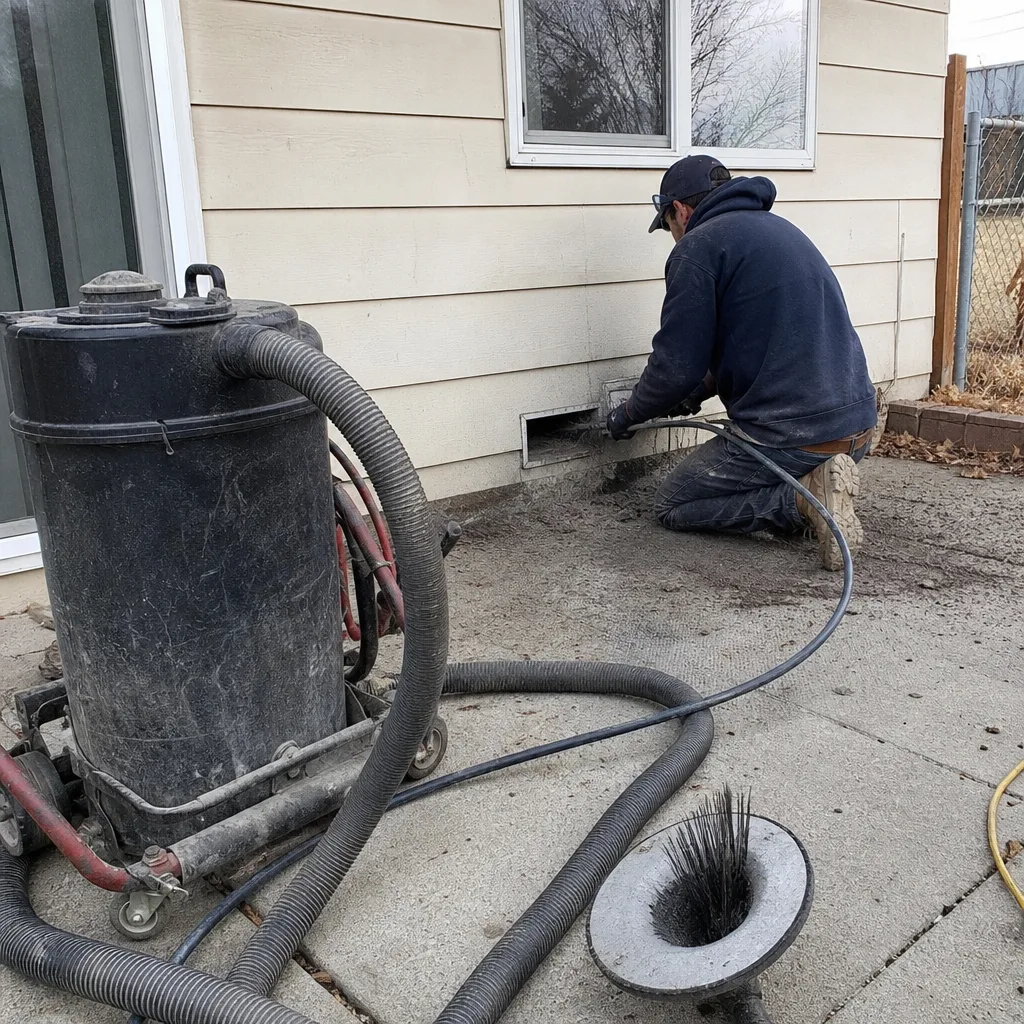
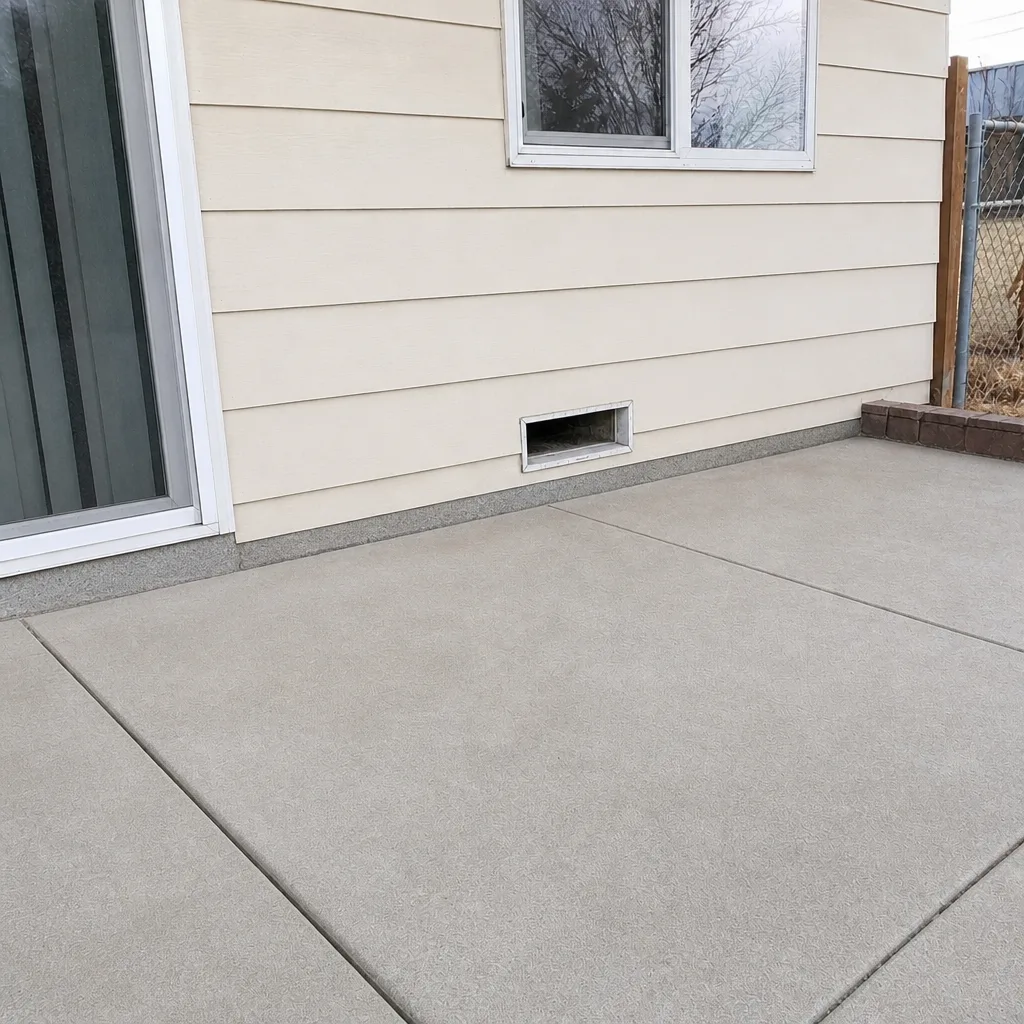
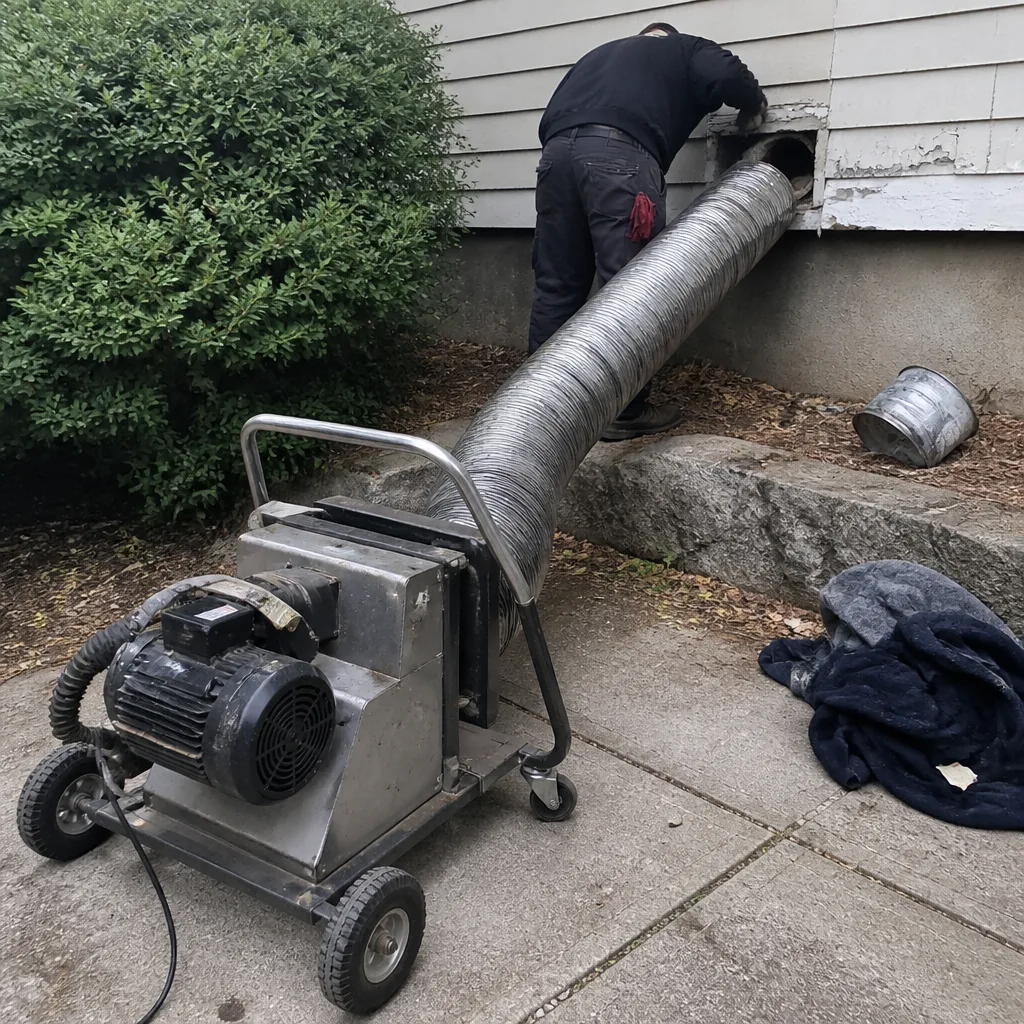
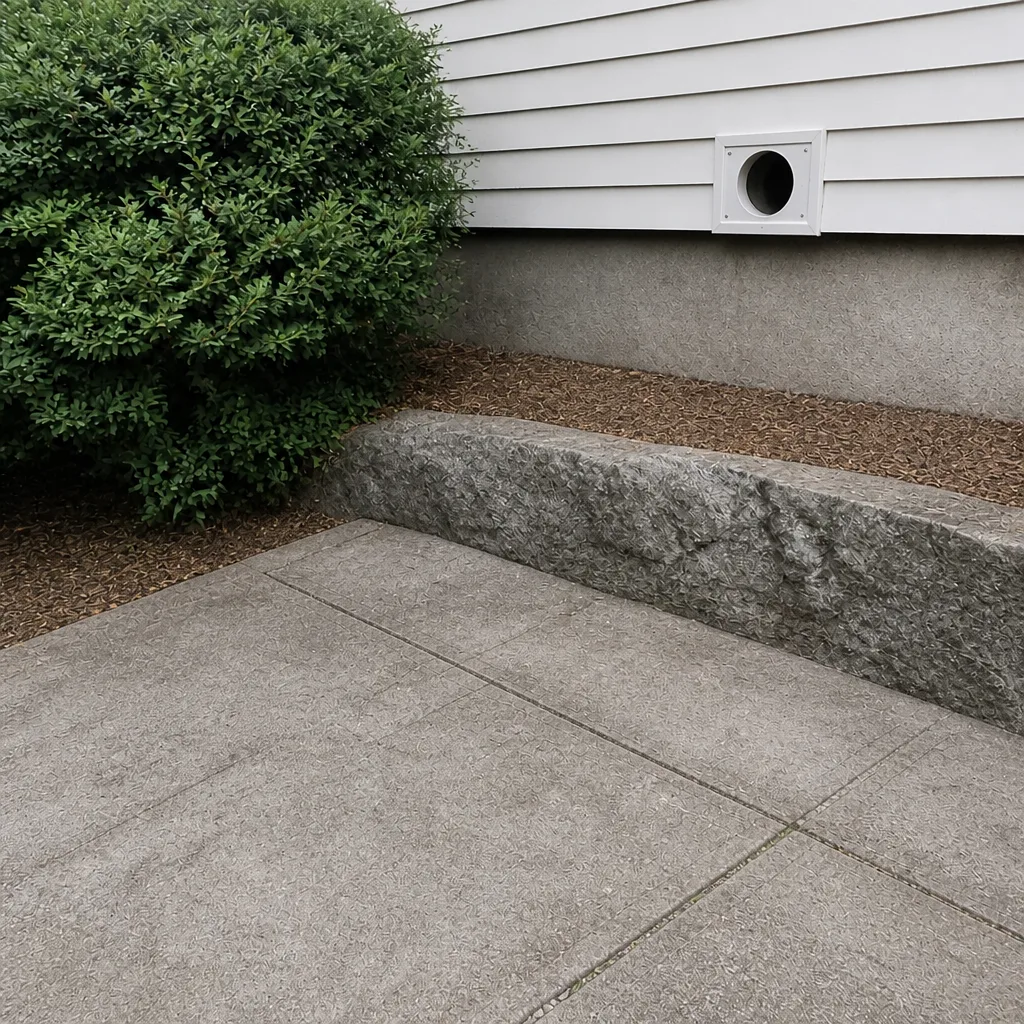
Whole-system duct and dryer vent check with before-and-after photos - you see exactly what came out of your vents
That "$99 whole-house special" is a bait ad - the real number appears once they are in your hallway, or the "clean" is a shop-vac at the register. We photograph the inside of your ducts before and after instead.
The Complete Guide to Air Duct Cleaning in West Valley City
Most homeowners assume duct cleaning is duct cleaning, the same job whether you live in West Valley City or anywhere else. That assumption doesn’t hold up here. West Valley City sits in a bowl, and when the valley inverts during winter, the particulate you can’t see outside gets pulled straight through your return vents and packed into your duct lining. A cleaning method built for a different climate leaves that layer behind. This guide covers what actually accumulates inside West Valley City homes, how a real negative-pressure cleaning works, why the housing stock here shapes the job, and how to tell whether the work was done right.
Quick Answer
Air duct cleaning in West Valley City means removing accumulated dust, inversion-driven particulate, and debris from the entire duct system, supply and return, using negative-pressure containment and contact agitation rather than blowing dust around. A proper job includes the coil, blower, plenum, and return box, plus documentation of before-and-after conditions. Timing matters more here than in most markets, because winter inversion seasons load residential ductwork faster than steady outdoor air would.
Styles & brands we work with
- Whole-home duct cleaning
- Dryer vent cleaning
- Camera inspection
- Sanitizing & deodorizing
Table of Contents
- How West Valley City Inversions Load Your Ducts
- Negative-Pressure HEPA Cleaning vs. Blow-and-Go
- What a Full-System Inspection Should Cover
- Why 1970s-1990s Housing Stock Needs Sealing First
- What Before-and-After Documentation Looks Like
- Timing Your Cleaning Around Inversion Cycles
- What Air Duct Cleaning Costs in West Valley City
- Common Mistakes to Avoid
How West Valley City Inversions Load Your Ducts
West Valley City sits in a valley bowl, and in winter that geography traps cold air and particulate under a warmer layer above. The result is an inversion, and it changes what happens inside your HVAC system. During an inversion, the air your system draws in as return air carries a higher concentration of fine particulate than on a clear day, and that material doesn’t stay airborne once it hits the duct interior. It settles into the lining, the seams, and the joints.
What makes this different from a coastal or prairie climate is the repetition. An inversion can hold for days. Your furnace runs heavily during the same stretch, which means the blower pushes that loaded air through the system over and over. Dust that would normally stay suspended gets circulated, filtered in part, and redeposited in the ducts. By the time the inversion clears, a measurable layer has built up on the duct walls.
Here’s what accumulates in a West Valley City duct system over a typical winter:
- Fine particulate that settles out of inversion air and clings to duct lining
- Dust and lint carried on return air from carpets, furniture, and clothing
- Pet dander, which stays airborne longer and travels deeper into the system
- Construction debris if the home had recent renovation work
- Mineral dust from the surrounding valley, kicked up by wind and tracked indoors
The practical takeaway is that duct contamination here isn’t uniform across the year. It spikes with the inversion season, and a cleaning timed right after that season removes more of what actually matters than one scheduled at random.
Negative-Pressure HEPA Cleaning vs. Blow-and-Go
The single biggest difference between a real duct cleaning and a cheap one is what happens to the debris once it’s dislodged. A proper job captures it. A poor one moves it. That distinction separates negative-pressure cleaning from the blow-and-go approach many discount operators use.
Here’s how a negative-pressure cleaning actually runs, using equipment like the Rotobrush and Nikro systems:
- Connect a HEPA vacuum to the system. A high-capacity vacuum with HEPA filtration ties into the ductwork, putting the entire system under negative pressure before any agitation begins.
- Seal and contain. Openings are sealed so the only air path is through the vacuum. Abatement Technologies negative-air and containment equipment can be used to keep contaminants captured during the work rather than released into living space.
- Agitate the duct walls. A rotary brush or air whip travels the length of each run, loosening the material that’s bonded to the lining. This contact agitation is what a vacuum alone can’t do.
- Capture and remove. Loosened debris is pulled into the HEPA vacuum under negative pressure and removed from the home.
- Clean the components beyond the ducts. The coil, blower, plenum, and return box get attention too, because contamination collects there as readily as in the runs.
- Sanitize on request. A Guardsman antimicrobial treatment can be applied to duct interiors after cleaning.
Blow-and-go operators skip most of this. They run a shop vacuum or a low-powered rig at one vent, blow compressed air through the system, and let the dust settle elsewhere, sometimes back into the living space. The ducts look cleaner at the register you can see, and the contamination has simply redistributed. That’s why air duct cleaning done this way tends to need repeating within a year.
What a Full-System Inspection Should Cover
A duct cleaning that only addresses the ducts misses most of the system. Contamination collects wherever air moves, and that means the components around the ducts matter as much as the runs themselves. A thorough inspection before cleaning should look at all of the following.
- The supply and return runs. Every accessible run, checked for buildup, disconnected joints, crushed sections, and debris.
- The air handler and blower. A dirty blower wheel throws less air and pulls more dust. This is where a lot of hidden contamination sits.
- The evaporator coil. A coil coated in dust loses capacity and can grow biological material if it stays damp.
- The plenum. The transition box between the air handler and the ductwork collects debris and often hides leaks.
- The return box and filter rack. A poorly sealed return box pulls attic or crawlspace air straight into the system.
- Duct sealing integrity. Gaps at joints and connections leak conditioned air and let contaminants in.
In our experience across West Valley City homes, the inspection is where the useful information comes from. It’s how you find out whether a cleaning alone will solve the problem or whether the system needs HVAC cleaning and sealing to hold the result. A cleaning without an inspection is a guess.
Why 1970s-1990s Housing Stock Needs Sealing First
A large share of West Valley City homes went up between the 1970s and 1990s, and the duct configurations from that era create a specific problem. In many of these homes, the ductwork was installed with less attention to sealing than today’s standards call for. Joints were taped or fitted loosely, flex duct was run with slack or sharp bends, and return paths were sometimes undersized.
That matters because cleaning a leaky duct system is only half a job. If the ducts leak, the contamination you remove gets replaced by air pulled in from unconditioned space, attic, crawlspace, or garage. The cleaning was correct, but the system recontaminates faster than it should.
Here’s why sealing often comes before or alongside cleaning in West Valley City homes of this vintage:
- Loose joints and disconnected sections let unfiltered air enter the system
- Undersized returns pull harder, increasing infiltration at every gap
- Flex duct from the era can sag or crush, reducing airflow and trapping debris
- Original tape and mastic often fail with age, opening leaks that weren’t there when installed
This is why we treat duct repair and sealing as a core part of the service rather than an upsell after the cleaning. We find the problems and fix them. A sealed system holds a cleaning result far longer than a leaky one, whether the home is in West Valley City or anywhere else in the valley.
What Before-and-After Documentation Looks Like
When a homeowner is skeptical of duct cleaning, the right answer is documentation, not reassurance. A contractor doing the job properly can show you exactly what was there before and what’s there after. Verbal assurance alone is what the discount operators offer, and it’s worth what it costs.
Here’s what real documentation includes:
- Camera footage of the duct interiors. A duct camera run before and after cleaning shows the condition of the lining, the joints, and the runs themselves. This is the closest thing to proof a homeowner can actually see.
- Before-and-after photos of the customer’s own ducts. Not stock images from a brochure, the actual system in the home being serviced.
- Airflow readings. Static pressure and airflow measurements taken before and after show whether the cleaning improved system performance.
- Inspection notes. A written record of what was found, including any leaks, disconnected sections, or components that needed repair.
If a contractor can’t show you camera footage or airflow readings, ask why. Any professional running Rotobrush or Nikro equipment has the tools to document the work. The job isn’t finished until you can see the result.
Timing Your Cleaning Around Inversion Cycles
Because West Valley City’s contamination load spikes during winter inversion seasons, timing matters. A cleaning scheduled right after the inversion season clears removes the accumulation that built up during the heaviest load. A cleaning scheduled mid-summer, before the next inversion season, gives you the cleanest start heading into winter.
Either can work depending on your situation. Consider these factors:
- Recent renovation or construction? Clean after the work finishes, not before. Drywall dust and debris settle into the system and need removal once the job is done.
- Allergy or respiratory concerns? Clean before the inversion season begins so the system starts clean heading into the heaviest particulate load of the year.
- New home purchase? Clean before you move in, especially if you don’t know the prior owner’s maintenance history.
- Pets in the home? Pet dander builds faster and travels deeper. A shorter interval between cleanings may be appropriate.
- Post-inversion season? If you can see the buildup or notice more dust settling on surfaces, clean after the season clears and the ducts have finished loading.
The general interval for a home in this climate is every two to three years, shorter with pets, allergies, or heavy renovation activity. The right interval for your West Valley City home depends on what the inspection finds. Understanding your local conditions is what separates a cleaning that lasts two years from one that lasts six months.
What Air Duct Cleaning Costs in West Valley City
Air duct cleaning pricing in West Valley City depends on the size of the system, the number of runs, accessibility, and whether repair or sealing is needed. Most reputable contractors quote a whole-system price, not a per-vent charge. Here’s how typical estimates break down:
- Standard single-system cleaning: typical for a single-family home with one HVAC system and a moderate number of runs
- Larger or multi-system homes: higher estimate based on system count and run count
- Duct repair and sealing: quoted separately based on what the inspection finds
- Sanitizing treatment: additional, applied on request after cleaning
- HVAC cleaning (coil, blower, plenum): bundled with the duct cleaning or quoted as an add-on
We give one flat price per system, agreed before work starts. No per-vent pricing, no teaser coupon that grows into a larger invoice once the technician is on site. The written estimate sets the final price, and it’s free. If a contractor can’t give you a whole-system price up front, that’s a sign the quote will change on the day of the work.
For an exact quote, call (844) 443-4789. Estimates are free.
Common Mistakes to Avoid
- Hiring on price alone. The lowest quote usually reflects a blow-and-go method that redistributes debris instead of capturing it. Ask what equipment will be used before you book.
- Skipping the coil, blower, and plenum. Cleaning the ducts but leaving the coil and blower dirty means the system recontaminates faster. The inspection should cover the whole system, not just the runs.
- Cleaning leaky ducts without sealing. In older West Valley City homes, this is the most common wasted job. Air leaks pull contamination right back in after the cleaning is done.
- Accepting verbal assurance instead of documentation. Ask for camera footage, before-and-after photos of your own ducts, and airflow readings. If a contractor can’t provide them, you have no way to verify the work.
- Cleaning mid-renovation. Drywall dust and construction debris should be cleared after the work finishes. Cleaning before the renovation is finished means doing the job twice.
- Ignoring the return box and filter rack. A poorly sealed return pulls attic or crawlspace air straight into the system. It’s a common find in homes of this vintage.
- Treating cleaning as a one-time fix. In this climate, ducts load faster than in many markets. Regular inspection and a cleaning interval that matches your home is what keeps the result.
See the difference
 Before
 After
 Before
 After
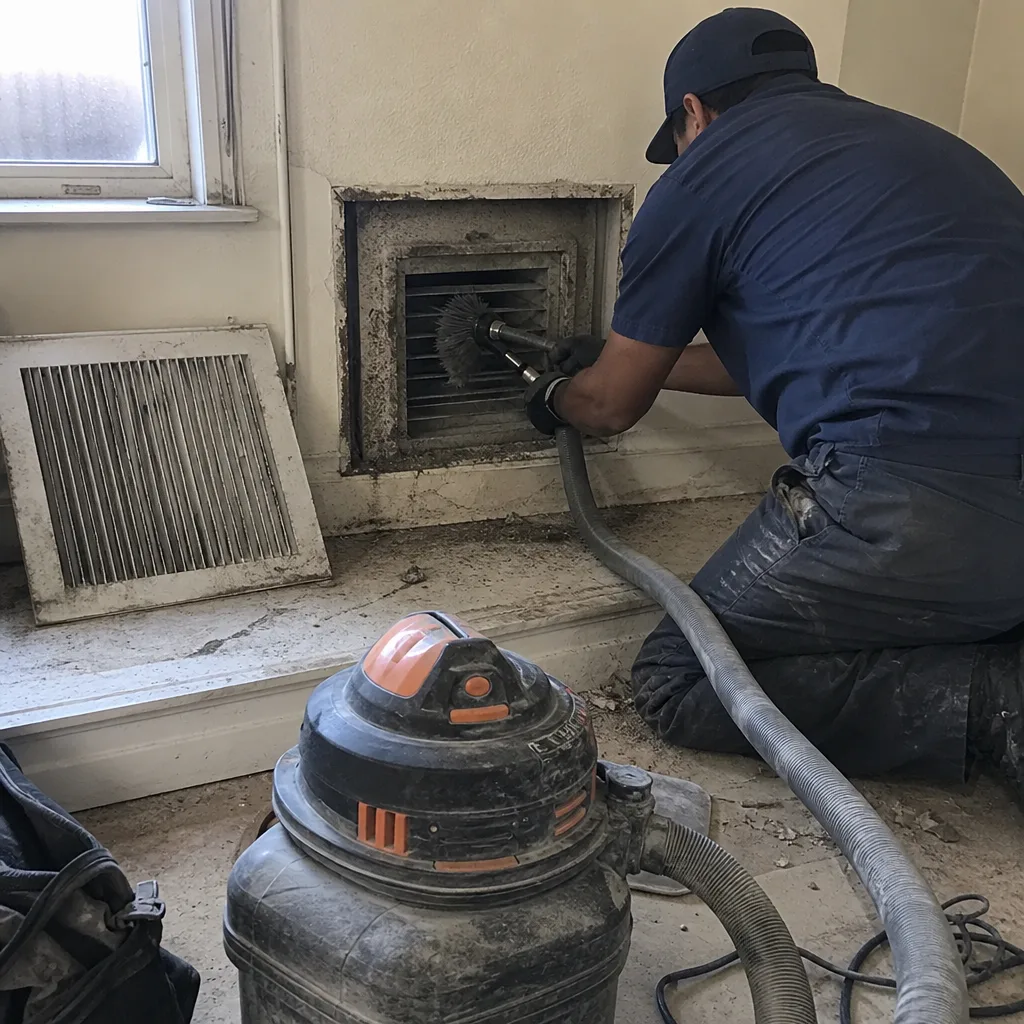 Before
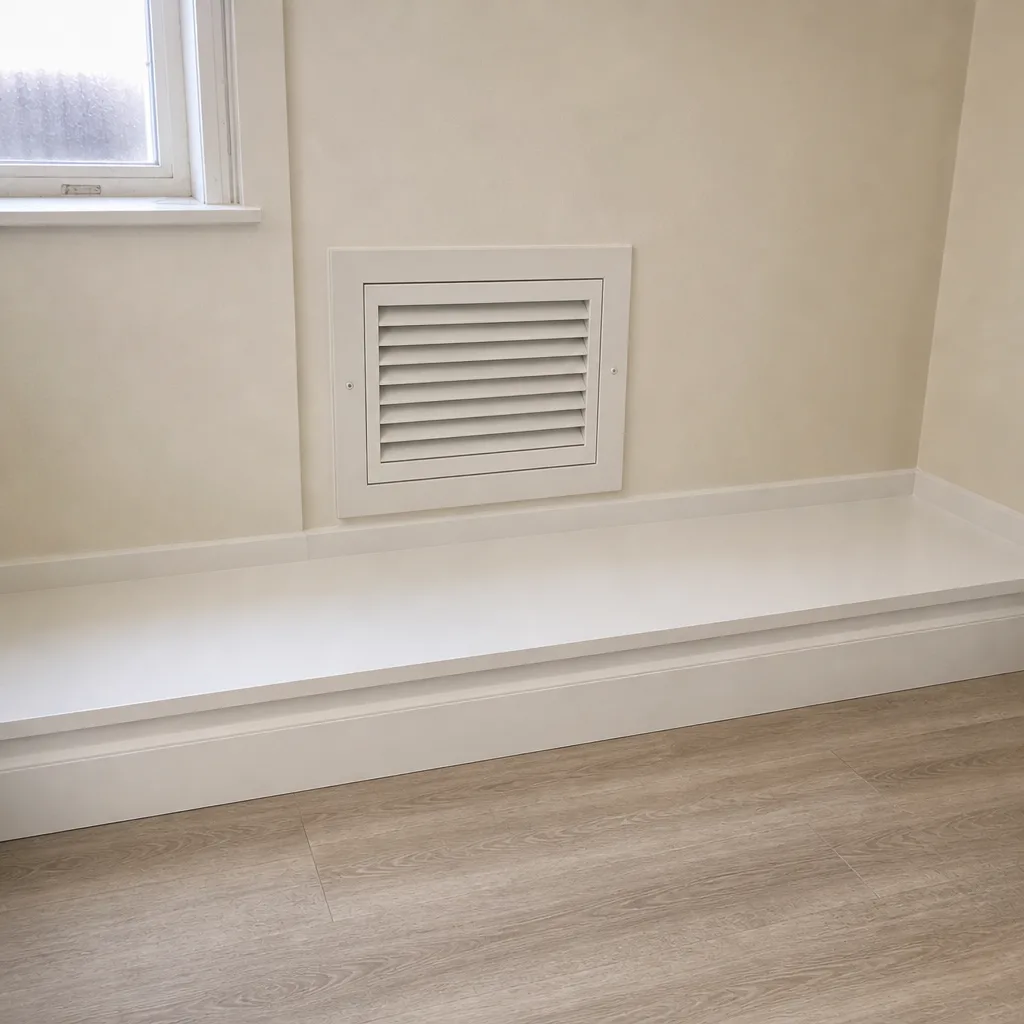 After
When to Call a Professional
Call a professional when you notice more dust settling on surfaces shortly after a cleaning, when someone in the home has allergy or respiratory concerns that seem worse indoors, or when you’ve finished a renovation and need the system cleared. Call after a home purchase if you don’t know the prior maintenance history. Call if you can see debris at the registers, if airflow feels weak, or if the system seems to be pulling in dust from an attic or crawlspace. And call if you’re not sure when the ducts were last cleaned, because an inspection will answer that.
West Valley City Air Duct Cleaning offers free estimates in West Valley City. Call (844) 443-4789. We answer 24/7. Fast dispatch from 7am to 7pm, Sunday through Friday.
Frequently Asked Questions
Air duct cleaning in West Valley City is priced per system, not per vent, and the written estimate sets the final price. Typical estimates depend on system size, run count, accessibility, and whether repair or sealing is needed. Call (844) 443-4789 for an exact quote. Estimates are free.
Cheaper quotes usually use a low-powered rig and blow compressed air through the system instead of capturing debris under negative pressure. That redistributes dust rather than removing it, and the work often needs repeating within a year. A proper job uses HEPA vacuum equipment and contact agitation like the Rotobrush and Nikro systems, and it documents the result.
Ask for camera footage of the duct interiors before and after, before-and-after photos of your own ducts, and airflow readings. Any contractor running professional equipment can provide all three. Verbal assurance alone isn’t verification.
Every two to three years is typical for a home here, shorter with pets, allergies, or heavy renovation activity. West Valley City’s winter inversions load the ducts faster than a steady climate would, so an inspection is the best way to set the right interval for your home.
Cleaning removes accumulated particulate from the system, which reduces what gets stirred up and circulated when the blower runs. For a home with allergies, timing the cleaning before the inversion season starts helps the system begin the heaviest load of the year clean. Filtration upgrades through Honeywell or Aprilaire products are worth discussing alongside cleaning.
The inspection decides. In older West Valley City homes, leaks often need repair and sealing as part of the same job so the cleaned system doesn’t pull contamination back in from unconditioned space. A cleaning on a leaky system doesn’t hold.
The Bottom Line
Duct cleaning in West Valley City is a different job than it is in most markets. The valley bowl traps winter particulate, the housing stock often needs sealing alongside cleaning, and the right documentation is the only way to know the work was done. A proper cleaning uses negative-pressure HEPA equipment, covers the coil, blower, plenum, and return box, and finishes with camera footage and airflow readings you can see for yourself. Time the cleaning around the inversion season, fix the leaks the inspection finds, and you’ll get a result that lasts. Skip any of that and you’ll be calling again within a year.
Call (844) 443-4789 for a free estimate. We answer 24/7. Fast dispatch from 7am to 7pm, Sunday through Friday. Reach us for West Valley City air duct cleaning, dryer vent cleaning, and full-system service.
Written by the team at West Valley City Air Duct Cleaning.