
Last updated November 24, 2026
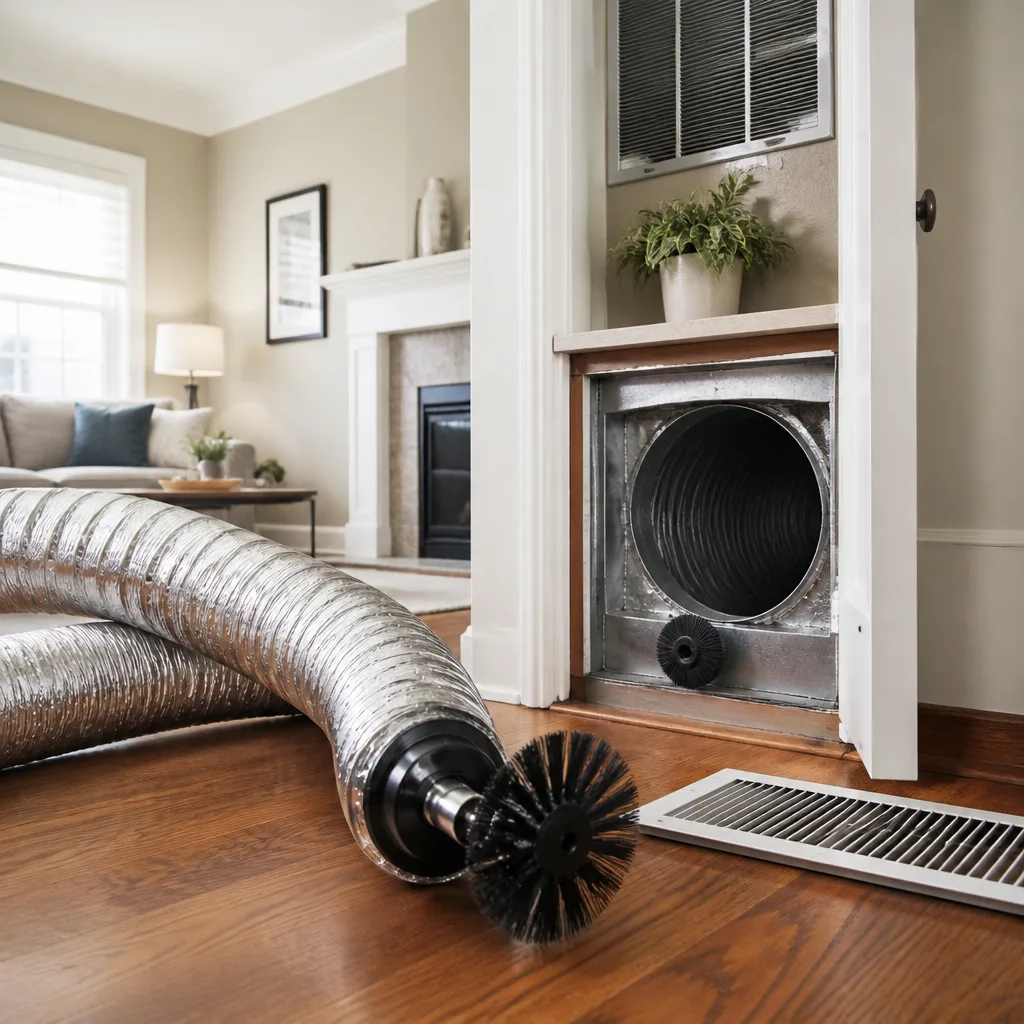 Whole-home duct cleaning
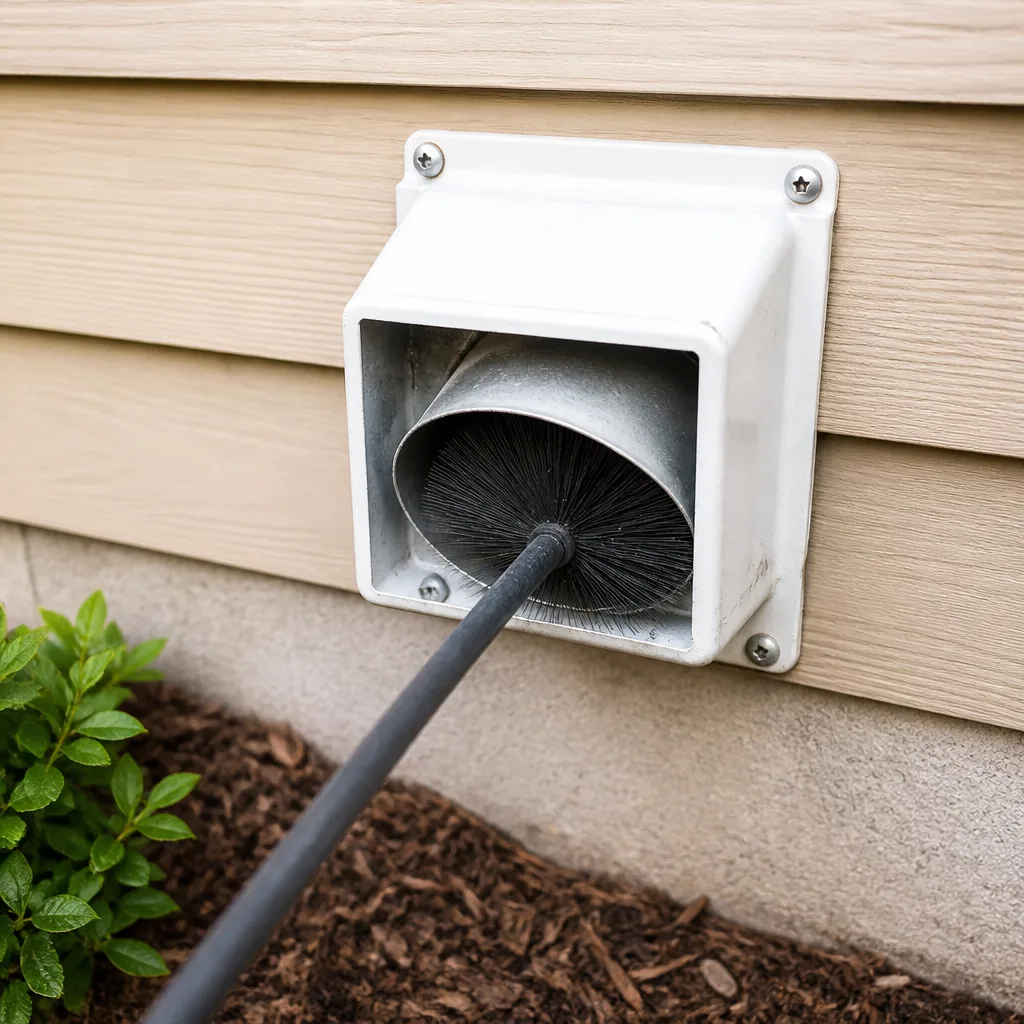 Dryer vent cleaning
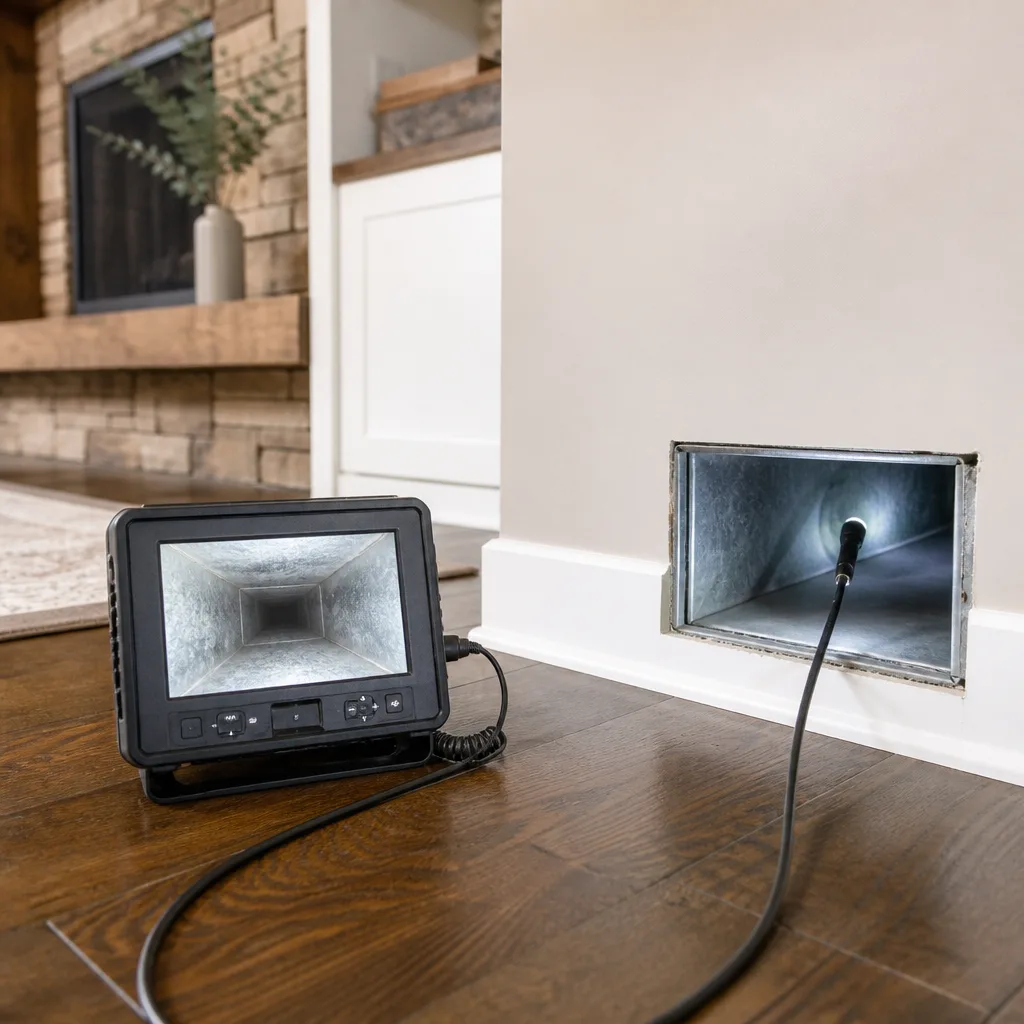 Camera inspection
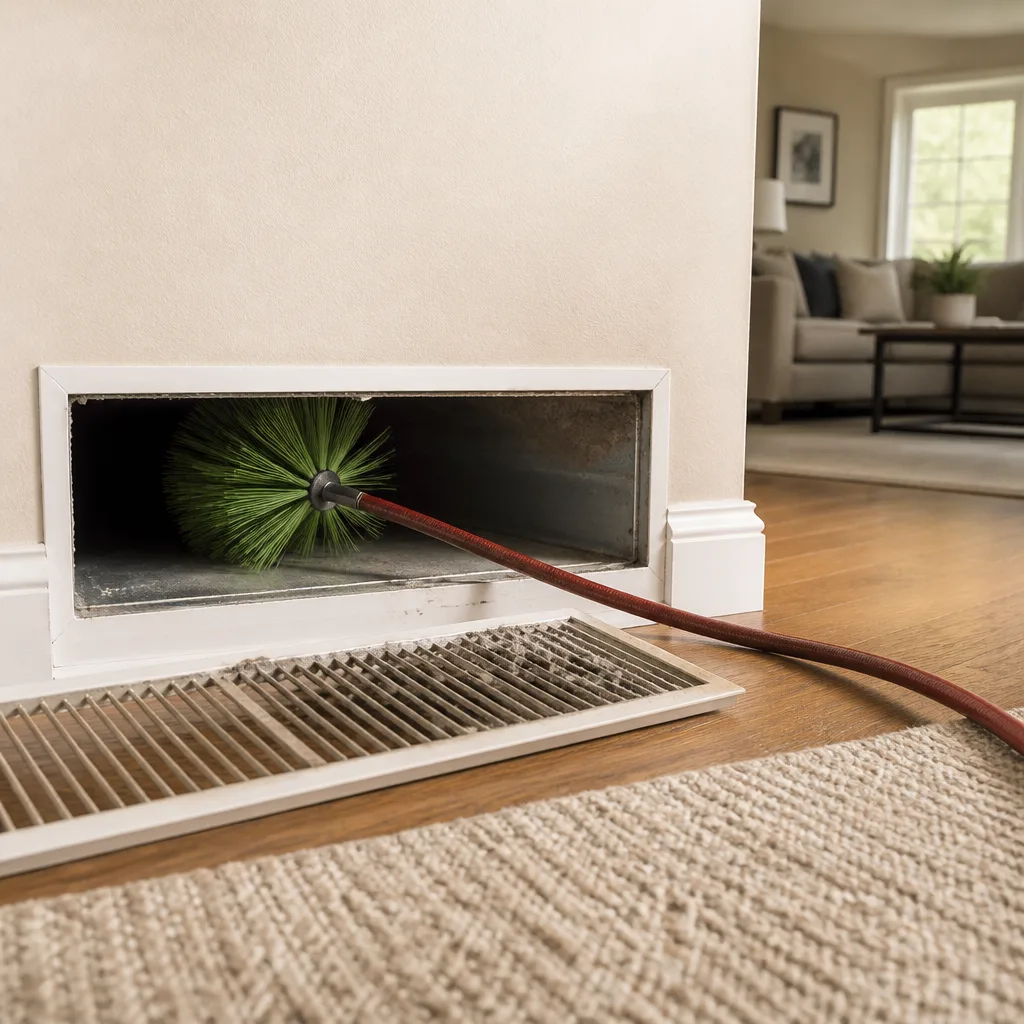 Sanitizing & deodorizing
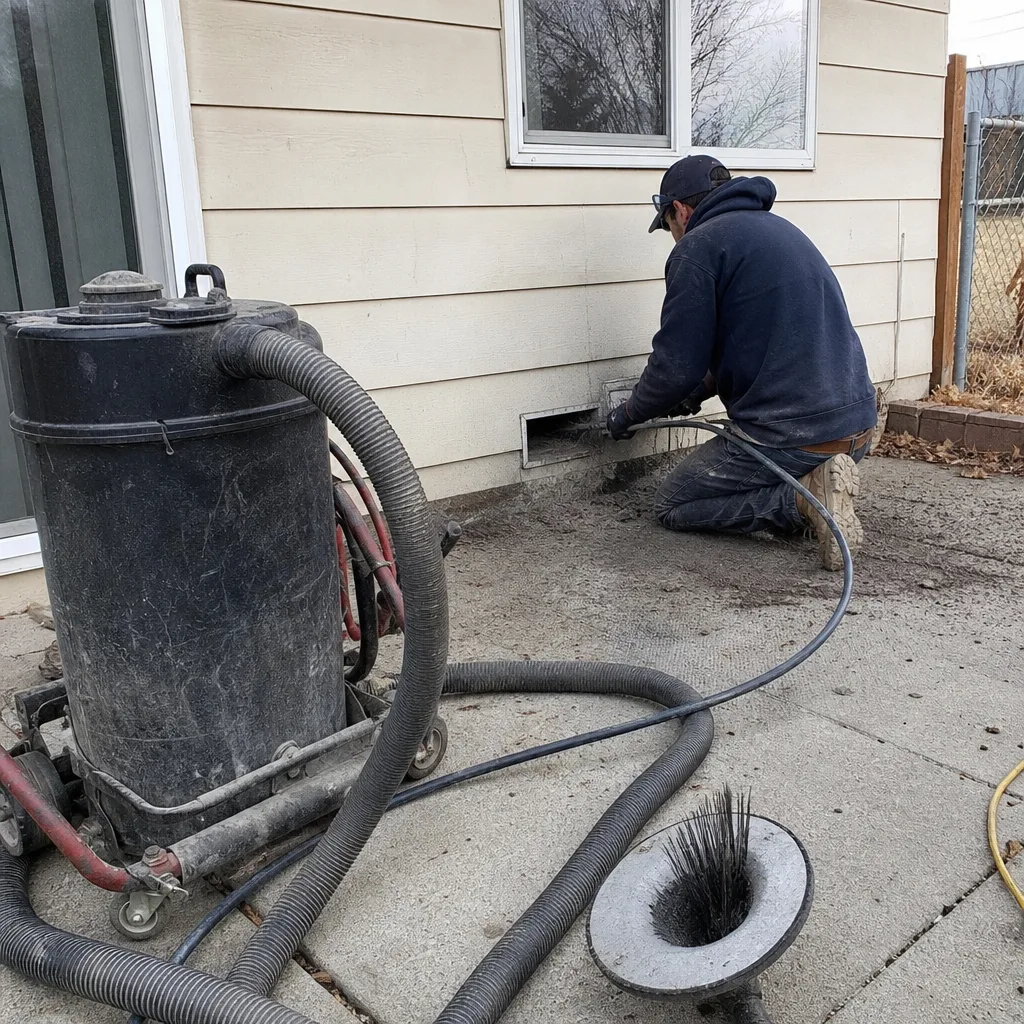
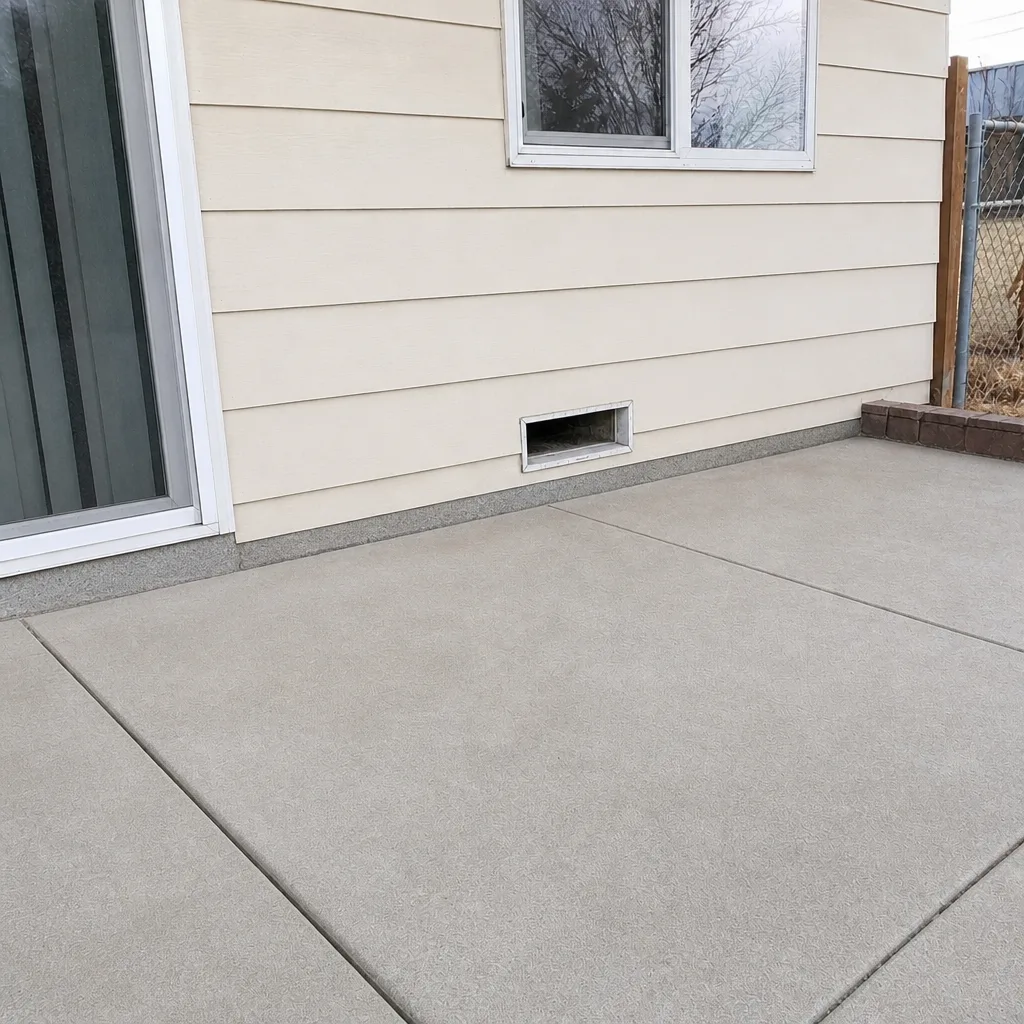
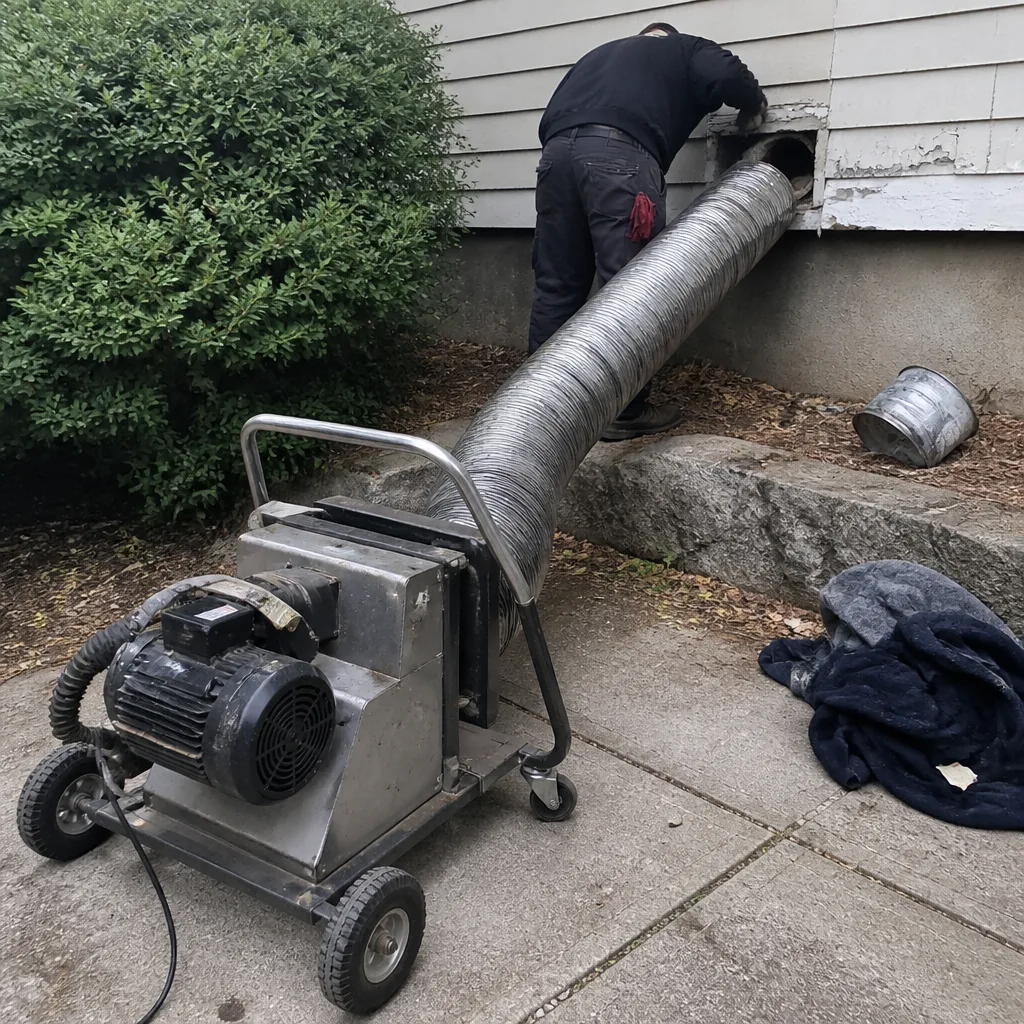
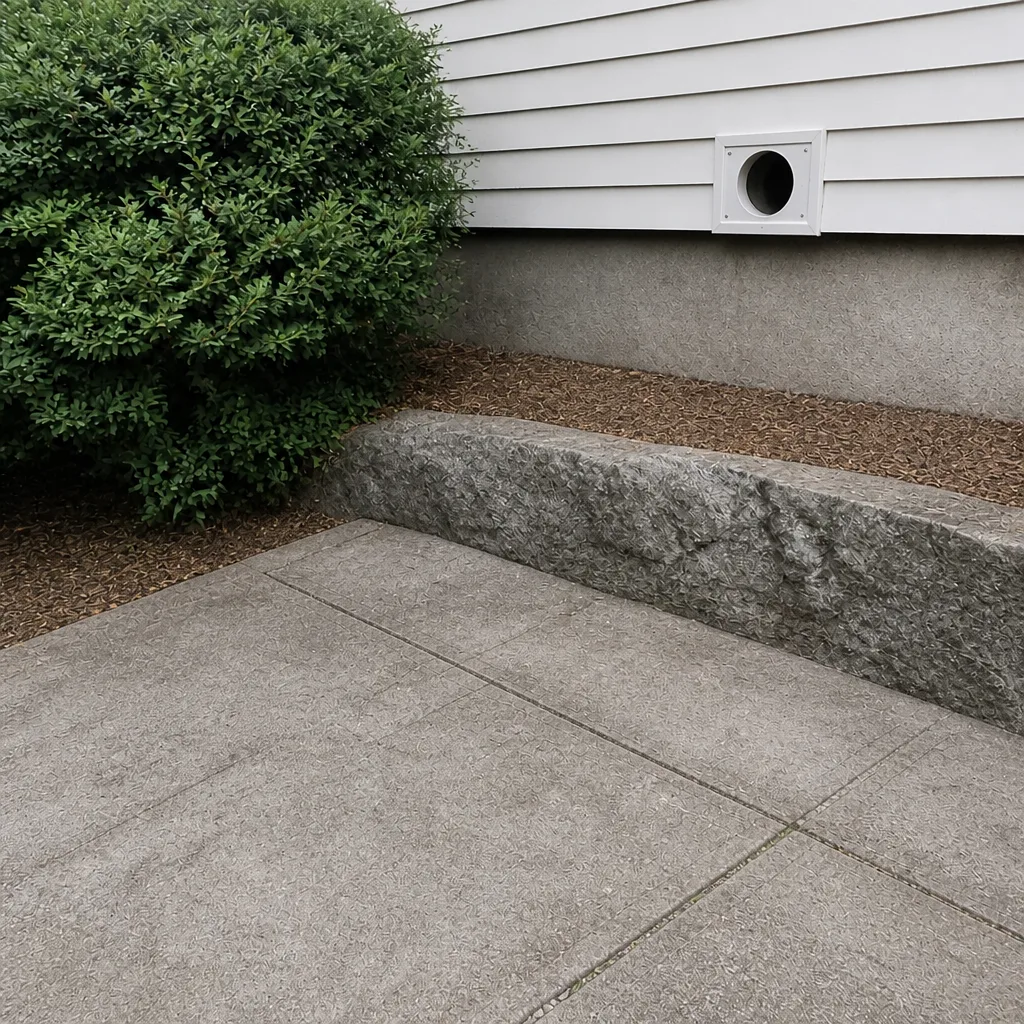
Whole-system duct and dryer vent check with before-and-after photos - you see exactly what came out of your vents
That "$99 whole-house special" is a bait ad - the real number appears once they are in your hallway, or the "clean" is a shop-vac at the register. We photograph the inside of your ducts before and after instead.
Air Duct Cleaning Warning Signs: A West Valley City Homeowner’s Reference Guide
Most lists of duct cleaning warning signs stop at the surface: dust on the register, a musty smell, maybe a visible puff when the furnace kicks on. Those are real clues, but they’re lagging indicators. By the time dust is caking a grille, the problem has usually been building for a while. The signals that actually matter show up earlier, in how your system behaves rather than how it looks. A furnace that short-cycles more than it used to, a gas bill that creeps up without a rate change, a bedroom that never quite catches up to the rest of the house: these are airflow diagnostics, and in West Valley City’s dry, dusty climate they point directly at what’s happening inside the ductwork. This guide walks through the mechanical, visual, and odor signals worth paying attention to, how to tell a dust problem from a moisture or integrity problem, and when it’s time to bring in a professional.
Quick Answer
The earliest reliable signs you need air duct cleaning in West Valley City are behavioral and mechanical: longer HVAC runtimes, more frequent short cycling, uneven room temperatures, and a gradual rise in utility costs with no rate change. Visible dust buildup at return grilles, musty or chemical odors that appear only when the system runs, and symptom patterns that track with HVAC operation are secondary confirmation. If any of those persist for more than a few weeks, it’s worth having the system inspected rather than assuming the equipment is failing.
Styles & brands we work with
- Whole-home duct cleaning
- Dryer vent cleaning
- Camera inspection
- Sanitizing & deodorizing
Table of Contents
- HVAC Performance Signals Most Homeowners Misread
- Dust, Moisture, or Duct Integrity: Which Problem Do You Actually Have?
- Visual Inspection Points You Can Reach Yourself
- Odor Diagnostics: What Each Smell Tells You
- Health Patterns: Timing Is the Tell
- Why West Valley City’s Climate Accelerates Duct Contamination
- What Professional Duct Cleaning Actually Involves
- How Often Ducts Really Need Attention
HVAC Performance Signals Most Homeowners Misread
When a system starts running longer or cycling on and off more often, the first instinct is that the furnace or air conditioner is failing. Sometimes it is. Often it isn’t. A restricted duct system makes the blower work harder to move the same volume of air, and restricted airflow throws off the temperature rise across the heat exchanger or the refrigerant charge in cooling mode. The equipment is fine; the delivery path is the problem. That distinction matters because replacing equipment won’t fix a duct issue, and a new system installed on contaminated, leaking ducts will show the same symptoms within a season or two.
Here’s what to watch for:
- Longer runtimes. If your furnace used to satisfy the thermostat in ten minutes and now takes twenty, the system is moving less conditioned air than it should.
- More frequent short cycling. The opposite pattern is also a red flag. A system that starts and stops in short bursts may be overheating on the heating side or freezing up on the cooling side, both of which trace back to restricted airflow.
- Uneven room temperatures. One room that consistently runs a few degrees off from the rest of the house usually has a duct run with higher resistance, a partially blocked branch, or a disconnected section in the attic.
- Utility creep. A gradual increase in heating or cooling cost with no rate change is one of the more reliable long-term indicators. Restricted and leaking ducts mean conditioned air is being paid for twice: once to produce it, once to lose it.
- Noisy registers. Whistling or rushing sounds at a supply register can mean that branch is being starved because another part of the system is blocked or leaking.
None of these individually confirms a duct problem. Together, and especially when they appear gradually over a season or two, they’re worth investigating before assuming the equipment needs replacement. In West Valley City, where heating and cooling both run hard through their respective seasons, these patterns tend to surface faster than in milder climates. Our technicians have up to 9 years of experience reading exactly this kind of performance pattern during a diagnostic inspection.
Dust, Moisture, or Duct Integrity: Which Problem Do You Actually Have?
This is the distinction most warning-sign lists skip, and it’s the one that determines whether cleaning alone will actually help or whether you’ll be calling someone back in six months for the same complaint. There are three distinct problems that all present as “dirty ducts,” and each needs a different response.
A dust problem is what most people picture: accumulated particulate matter coating duct interiors, registers, and the blower compartment. Cleaning solves it, provided the source of the dust is addressed too. In West Valley City, fine wind-blown dust and seasonal pollen are constant contributors, so a system with marginal filtration will load up faster than in a wetter climate. Cleaning plus a filtration upgrade (Honeywell and Aprilaire products are what we work with) addresses both the symptom and the source.
A moisture problem is different. Condensation on duct surfaces, particularly in attics and crawlspaces, creates an environment where biological growth can establish itself. Cleaning removes the visible growth, but if the moisture source isn’t corrected, it returns. Sanitizing treatments like Guardsman antimicrobial products applied to duct interiors help, but they’re a treatment, not a fix for a chronic moisture issue. That might mean insulation, vapor barrier, or drainage corrections depending on where the condensation originates.
A duct integrity problem is the one that gets missed most often. Disconnected joints, torn flex duct, crushed runs, and unsealed connections all allow contaminated air from unconditioned spaces to be drawn into the supply system. Cleaning a leaking duct system is like cleaning a room with the window open. Duct repair and sealing has to come first, or at least alongside the cleaning, or the problem repeats. This is why we treat air duct cleaning and duct repair as parts of the same job rather than separate services.
A quick way to sort out which category you’re dealing with:
- Look for visible dust patterns at returns. Even, light buildup points to a routine dust problem.
- Check for condensation, staining, or rust on duct surfaces, especially in the attic. Any of these indicates moisture.
- Inspect accessible duct runs for disconnected joints or torn flex material. Damage indicates an integrity problem.
- If more than one is present, the integrity issue needs to be addressed first or alongside cleaning.
Visual Inspection Points You Can Reach Yourself
You don’t need special equipment to spot the obvious stuff. You do need to know where to look and what pattern means what. Here’s where a homeowner can reasonably check, and what each finding tells you.
Return grille buildup patterns. Pull the return grille and look at the filter slot and the duct surface just behind it. A uniform light dusting is normal. Heavy, uneven caking, particularly concentrated at one edge, suggests air is being drawn through a gap or that the filter isn’t seating properly in its frame. A grille that’s noticeably dustier than the others may be on a short-circuit path or pulling from a dirtier zone.
Register airflow you can feel versus measure. Hold your hand in front of each supply register. Airflow should feel roughly comparable from room to room, with some variation for distance from the air handler. A register that feels noticeably weaker than the rest, or barely any airflow at all, points to a branch that’s blocked, crushed, or disconnected. Feeling the air doesn’t replace a measured static pressure test, but it’s a legitimate first-pass check.
Visible flex duct damage in the attic or crawlspace. If you can safely access these spaces, look for flex duct that’s kinked, torn, collapsed, or disconnected from a boot or plenum. In West Valley City’s housing stock, older attic flex runs are common, and they don’t last forever. UV exposure, attic heat, and rodent activity can all compromise flex runs. A single disconnected run at the plenum can draw attic air into the system continuously.
If any of these checks turn up something significant, stop there. We don’t recommend poking around inside ductwork or opening plenum connections yourself. What’s visible is useful information; what’s behind a sealed system needs proper inspection.
While you’re mapping the system, it’s also worth noting whether the dryer vent is a separate run entirely. In many West Valley City homes it’s routed through the same attic or crawlspace area, and a compromised dryer vent is its own fire risk. That’s why we also handle dryer vent cleaning as a standalone service, since lint accumulation in a restricted vent is a different problem than duct contamination.
Odor Diagnostics: What Each Smell Tells You
Odors are useful because they’re zoned. Different smells point to different parts of the system, and the pattern of when they appear tells you nearly as much as the smell itself. This is one of the more underused diagnostic tools homeowners have, partly because people get used to a faint background smell and stop noticing it.
- Musty or earthy. Biological growth somewhere in the system, typically at the evaporator coil, the drain pan, or in duct runs that have been exposed to moisture. If the smell is strongest at a specific register or only after the AC has been running, the problem is likely downstream of the coil on the cooling side. Cleaning alone may not solve it; the moisture source has to be identified.
- Burning or hot-dust smell. Usually associated with the heat exchanger side, particularly at the first heating cycle of the season. A brief smell when the furnace first fires up after months idle is normal (dust burning off the heat exchanger). A persistent burning smell that continues past the first cycle is not, and warrants a technician’s attention before anything else.
- Chemical or solvent-like. Less common, but worth noting. Could indicate off-gassing from materials inside the system, or in a renovation context, fine particulate from construction work that’s been drawn into the return. If the home has had recent work done, this is a strong signal that the system has pulled in contamination.
- Pet or organic odor. Points to the return side, where the system is drawing air from living spaces. In homes with pets, this smell can persist in the duct lining even after surface cleaning, which is one reason duct interior sanitizing is offered as a treatment.
The key observation is timing. An odor that’s present whenever you’re in the room but doesn’t track with the HVAC running is an ambient source, not a duct issue. An odor that appears or intensifies when the system cycles on is coming from the system. That distinction saves a lot of unnecessary cleaning.
Health Patterns: Timing Is the Tell
If anyone in the household has allergies or respiratory sensitivity, the timing of symptoms relative to HVAC operation is worth tracking for a few weeks before you assume the ducts are at fault. It’s a simple exercise: note when symptoms flare, and note when the system runs. If the two overlap consistently, the system is a plausible contributor. If symptoms flare on windy days, after yard work, or in particular rooms regardless of HVAC status, the source may be ambient exposure, not the ducts.
Patterns that suggest a duct contribution:
- Symptoms that worsen within an hour of the system starting and ease when it’s off.
- Complaints concentrated in rooms closest to the air handler, or in rooms with a return.
- Morning symptoms that track with overnight heating or cooling operation, since the system runs continuously through the night in most West Valley City homes during peak seasons.
- Reactions that started or worsened after a renovation, a new pet, or a change in the home’s humidity.
We’re not medical professionals and we don’t diagnose health conditions. But we do know that the correlation between symptom timing and HVAC operation is a useful (if imperfect) guide to whether the duct system is a contributing factor. When a homeowner calls us with a described symptom pattern, that timing is one of the first things we ask about.
Air sanitizing as a service exists because cleaning alone doesn’t address what’s airborne. Guardsman antimicrobial treatments applied to duct interiors can reduce biological load, but no treatment replaces identifying and removing the source of contamination. In many homes, that means combining cleaning with a higher-MERV filtration setup using Honeywell or Aprilaire products, and considering a whole-home air treatment for ongoing control.
Why West Valley City’s Climate Accelerates Duct Contamination
The Wasatch Front’s climate is an active contributor to duct contamination, and it doesn’t get enough attention. Three factors work together. First, dry air means fine particulate stays suspended longer and travels further through a system before settling, so less of it drops out where a filter would catch it. Second, seasonal inversion events along the valley trap particulate matter near the ground, meaning the outdoor air quality feeding the return can be noticeably worse than the homeowner assumes. Third, the winter-summer swing causes continuous thermal cycling in attic ductwork, which stresses connections and accelerates the failure of aging flex.
The practical effect: West Valley City homes tend to accumulate duct contamination faster than homes in temperate, humid climates, all else being equal. That doesn’t mean every home needs annual cleaning, but it does mean the warning signs are worth taking seriously earlier rather than later. Our HVAC cleaning work across the neighborhoods here often finds that the coil and blower compartment carry as much contamination as the ducts themselves, which is why cleaning only the ducts and not the system misses a large chunk of the problem.
Homes in the older neighborhoods tend to have the most significant findings, partly because of duct systems that were installed to standards that don’t reflect what we now know about filtration and sealing, and partly because attic flex runs in those homes have had more time to degrade. Newer construction isn’t automatically better, either, since original ductwork installation quality varies more than most people expect.
What Professional Duct Cleaning Actually Involves
This is where the gap between a real duct cleaning and a cheap one gets wide, and it’s worth knowing the difference before you hire anyone. Proper work involves equipment most homeowners don’t see, and a process that doesn’t skip steps. Here’s what should happen:
- Assessment first. A proper job starts with an inspection of the system, including accessible duct runs, the air handler, and the return side. The technician should identify any duct integrity issues before cleaning.
- Containment setup. Negative-pressure equipment such as Abatement Technologies systems is set up to keep dislodged contaminants from escaping into the living space during cleaning. This is the single biggest difference between professional and consumer-grade work.
- Contact-vacuum cleaning. Rotobrush and Nikro systems are standard professional tools: contact-vacuum heads that agitate and remove material from duct surfaces rather than just pulling air through. Truck-mount rigs with a single suction hose don’t reach the same level of surface removal.
- Component cleaning. The blower compartment, evaporator coil, and drain pan get cleaned as part of the system, not skipped because they’re harder to reach.
- Optional sanitizing. On request, Guardsman antimicrobial treatments can be applied to duct interiors after cleaning.
- Repair and sealing. Any disconnected joints, torn flex, or unsealed connections found during inspection get fixed. Cleaning on top of leaks is a temporary result.
- Verification. Before-and-after photos of the homeowner’s own ducts are standard on a proper job. If a contractor won’t provide visual documentation, that’s a signal worth noting.
For a full West Valley City air duct cleaning job, we do all of this as a single coordinated visit because we handle the full airflow chain: ducts, HVAC components, dryer vent, and air sanitizing. That’s not a matter of convenience, it’s a matter of not leaving the system half-addressed.
How Often Ducts Really Need Attention
There’s no universal answer to how often, and anyone who quotes a fixed interval without asking about your home is guessing. Real factors include:
- Whether anyone in the household has allergies or respiratory sensitivity
- Pets, and how many
- Recent renovation or construction activity in the home
- Smoking or other combustion activity in the living space
- The age of the duct system and the condition of attic flex runs
- The filter rating and how reliably it’s changed
For homes without specific concerns, an inspection every few years is a reasonable interval; cleaning only when the signs warrant it. For West Valley City homes with pets, recent renovations, or household members with allergies, more frequent attention may make sense, but the trigger should still be evidence rather than the calendar. If you’re using a high-MERV filter and changing it reliably, the load on the ducts drops meaningfully.
One habit that helps: after any significant renovation, have the system inspected. Construction dust is fine enough to travel through a filter and settle inside the ducts, and it will recirculate every time the system runs afterward.
Common Mistakes to Avoid
- Treating the dust symptom without checking the moisture or integrity cause. If the underlying issue is a leaking joint or a condensation problem, cleaning will produce a short-lived improvement and the symptoms will return. Rule out the root cause before assuming cleaning is the answer.
- Hiring the cheapest truck-mount operation. A single-hose vacuum with a low-powered motor won’t remove contamination from duct surfaces the way contact-vacuum equipment does, and there’s often no containment setup to keep dislodged material out of the living space. The comparison isn’t apples to apples.
- Skipping the coil and blower compartment. Cleaning only the ducts and leaving the coil untouched means the largest contamination source stays exactly where it was.
- Ignoring visible flex duct damage. A disconnected or crushed flex run will keep pulling in attic or crawlspace air no matter how clean the rest of the system is. If you spot damage, get it repaired before or alongside cleaning.
- Assuming a new HVAC system resets the clock. A new system installed on dirty or leaking ducts will show the same airflow symptoms within a season or two. Duct condition and equipment condition are separate problems.
- Waiting for a health issue to force the decision. Symptom patterns that track with HVAC operation are a sign to investigate, not a reason to wait it out. In West Valley City’s dry, particulate-heavy air, a system with a marginal air path won’t get better on its own.
- Not asking for before-and-after photos. A contractor who won’t document the work visually is telling you something. Ask up front.
See the difference
 Before
 After
 Before
 After
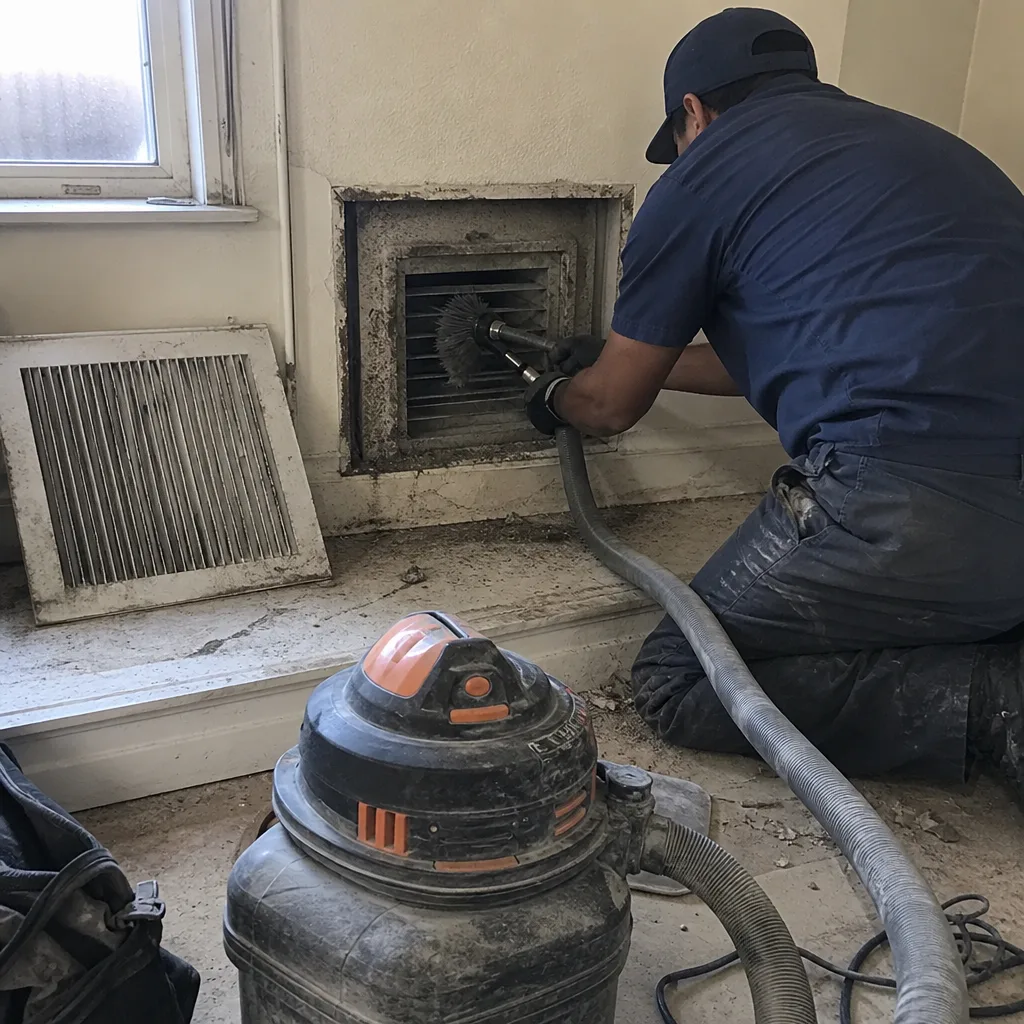 Before
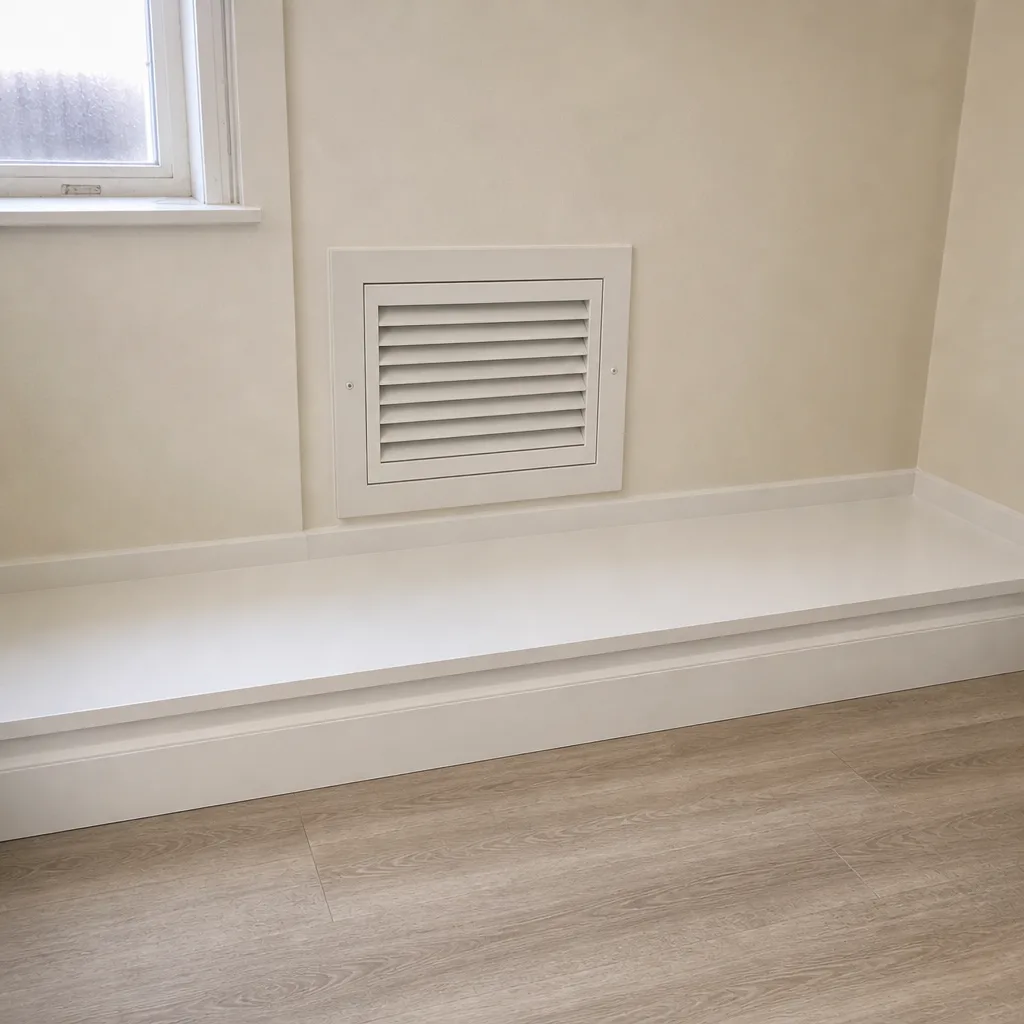 After
When to Call a Professional
Call a professional if the performance signals have persisted for a season or more, if you’ve seen visible duct damage in the attic or crawlspace, if an odor appears only when the system runs and it isn’t a mild first-cycle smell, or if allergen symptom timing consistently tracks with HVAC operation. Also call after any significant renovation, and if a visual inspection shows flex duct that’s torn or disconnected. Any of those are good reasons to have the system looked at rather than wait for a secondary problem. West Valley City Air Duct Cleaning offers free estimates in West Valley City; call (844) 443-4789. We answer 24/7, and fast dispatch runs from 7am to 7pm, Sunday through Friday. The written estimate sets the price before any work begins.
Frequently Asked Questions
The earliest reliable sign is usually a behavioral change in the HVAC system rather than a visible one: longer runtimes, more frequent short cycling, or an uneven room temperature that develops gradually. Visible dust at return grilles tends to lag behind those signals by weeks or months. If you’ve noticed a performance change without an obvious equipment cause, that’s the time to schedule an inspection. Call (844) 443-4789 for a free estimate.
Dust is a particulate issue and cleaning resolves it; moisture is a source issue and cleaning alone won’t. If you see condensation, staining, or rust on accessible duct surfaces, or a musty smell that appears whenever the AC runs, the moisture source needs to be identified first. A Guardsman antimicrobial treatment after cleaning helps reduce biological load, but the source still has to be corrected. Our technicians can help sort out which category you’re dealing with – call (844) 443-4789 and estimates are free.
Yes, and it’s not a small effect. Fine particulate stays airborne longer in dry air, seasonal inversion events trap particulate near the ground, and the wide temperature swing stresses attic ductwork year after year. In practice, West Valley City homes tend to accumulate contamination faster than homes in more temperate climates, all else being equal. That makes the warning signs worth acting on rather than deferring – call (844) 443-4789 for a free assessment.
Before-and-after photos of your own ducts are the standard proof, and any contractor worth hiring will provide them. Our equipment setup uses Abatement Technologies negative-air containment tools during cleaning, so you can also ask about the containment process before work begins. Documentation and process, not price alone, are what separate a real cleaning from a superficial one. Call (844) 443-4789 for an exact quote.
Cheap quotes usually reflect a different scope: a low-powered single-hose vacuum with no containment setup, no coil or blower compartment cleaning, and no duct repair or sealing even when integrity problems turn up. That work doesn’t address the contamination that matters and won’t produce the results a proper job does. We use professional-grade Rotobrush and Nikro systems on every job and treat duct repair as a core service, not an upsell. Call (844) 443-4789 for an honest whole-system estimate.
No. A disconnected or damaged duct run will keep drawing unconditioned air into the supply system no matter how clean the rest of it is, so repair and sealing have to come first or alongside cleaning. That’s why we treat duct repair as part of the same job rather than a separate visit later. If a professional cleaning is scheduled and your attic flex has visible damage, have the repair bundled into the same work – call (844) 443-4789 for a combined estimate.
The Bottom Line
The warning signs that matter most aren’t the ones you can see on a register. They’re the ones showing up in how your system behaves: longer runtimes, more frequent cycling, uneven temperatures, a slow creep in utility costs. West Valley City’s dry air, seasonal inversions, and harsh attic temperature swings accelerate the process, which makes early detection worth more here than in milder climates. Once you’ve noticed a signal, the next step is sorting out whether it’s a dust problem, a moisture problem, or a duct integrity issue, because only one of those is resolved by cleaning alone. Our technicians have up to 9 years of experience doing exactly that assessment. If you’ve recognized your home in any part of this guide, the sensible move is to have the system looked at rather than wait for the symptom to get worse.
Call West Valley City Air Duct Cleaning at (844) 443-4789 for a free estimate. We answer 24/7, with fast dispatch from 7am to 7pm, Sunday through Friday. One flat price per system is agreed before any work begins, and the written estimate sets the final price.
Written by the team at West Valley City Air Duct Cleaning.