
Last updated November 24, 2026
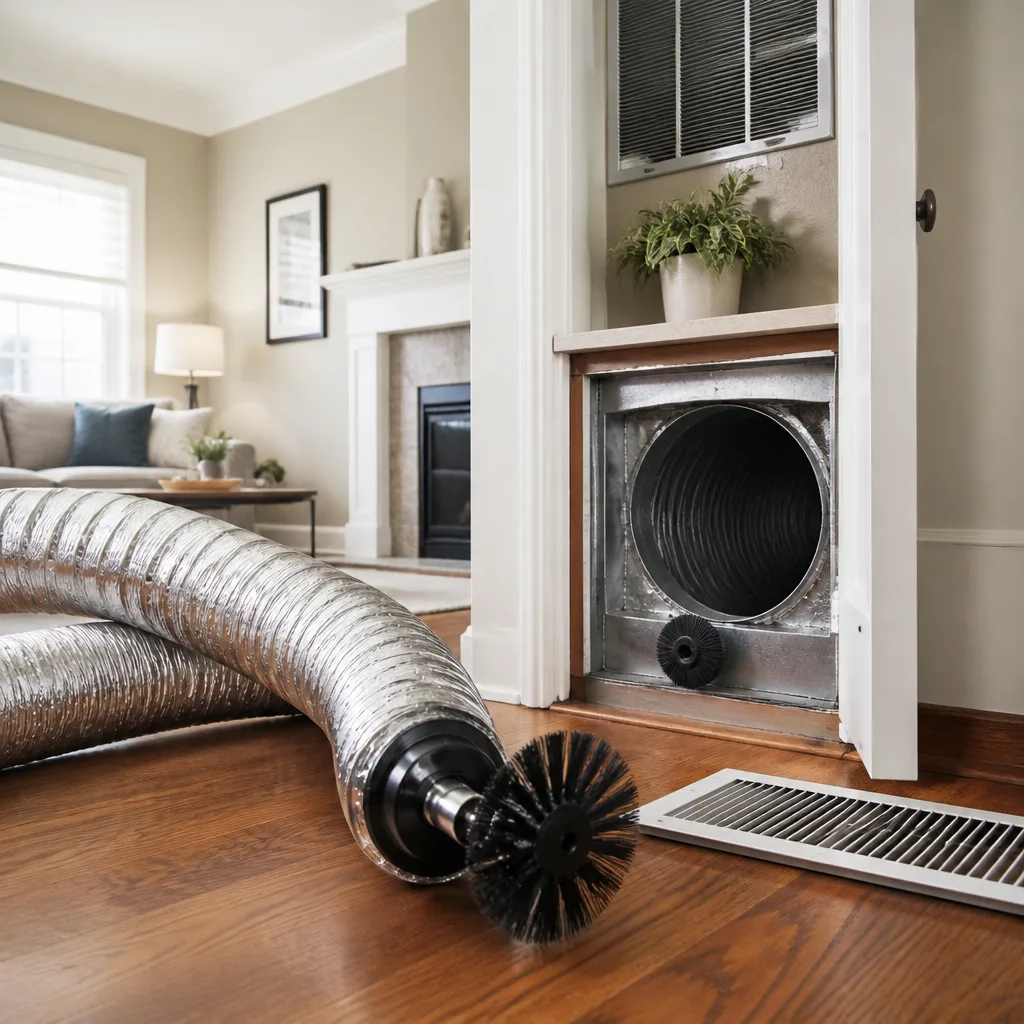 Whole-home duct cleaning
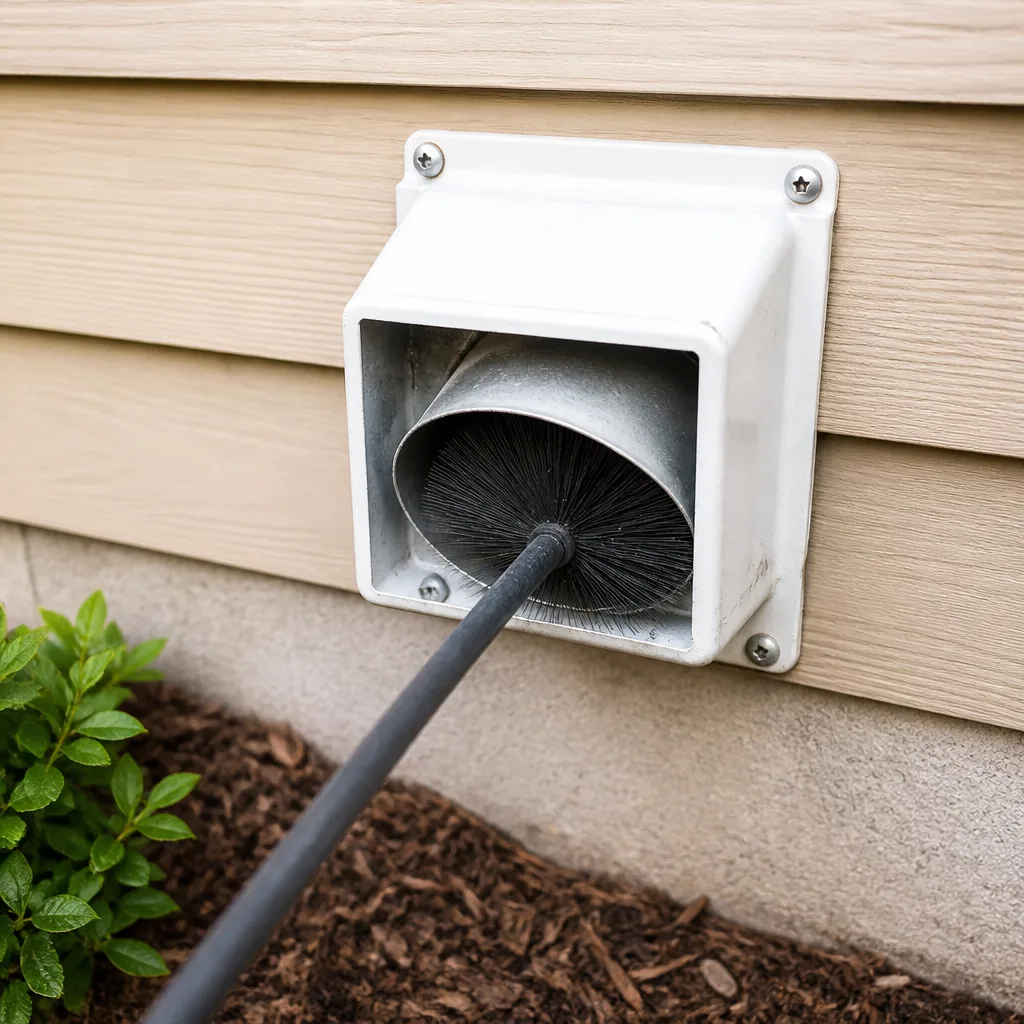 Dryer vent cleaning
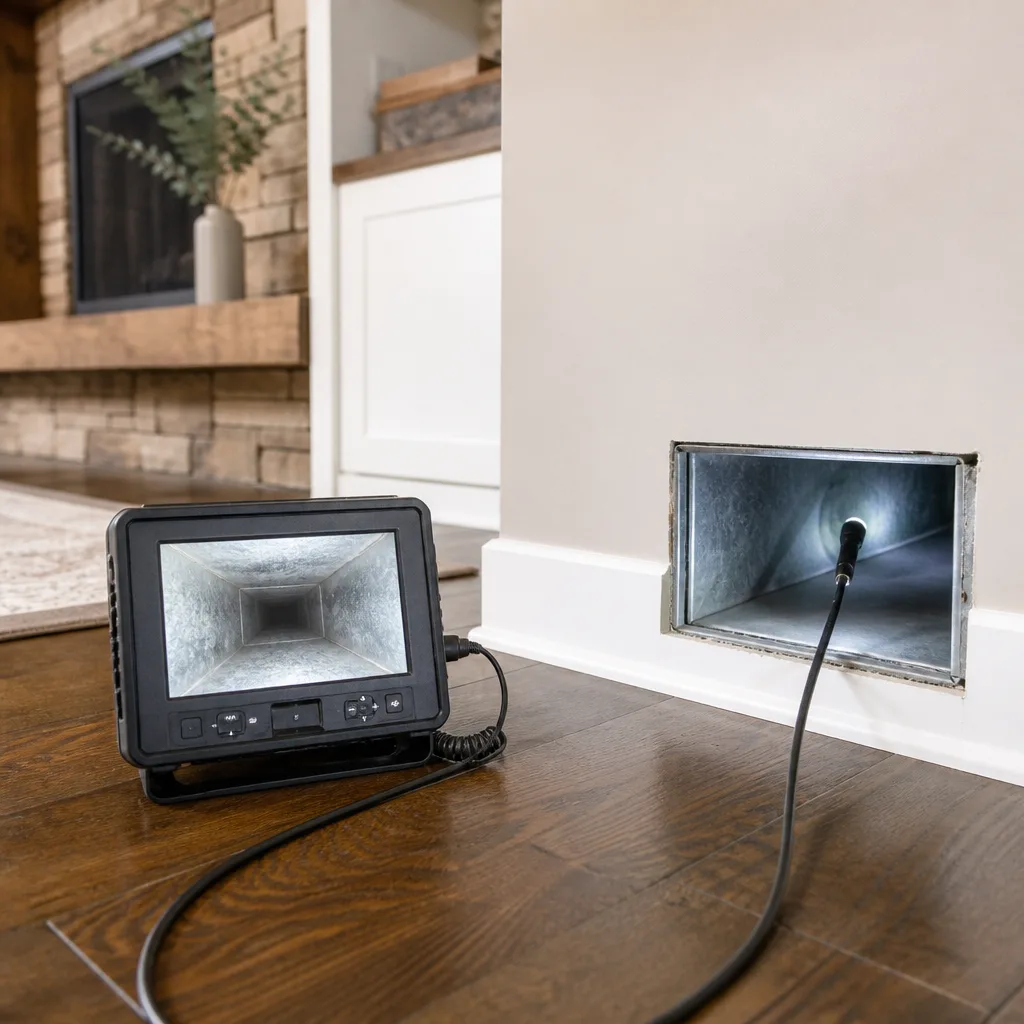 Camera inspection
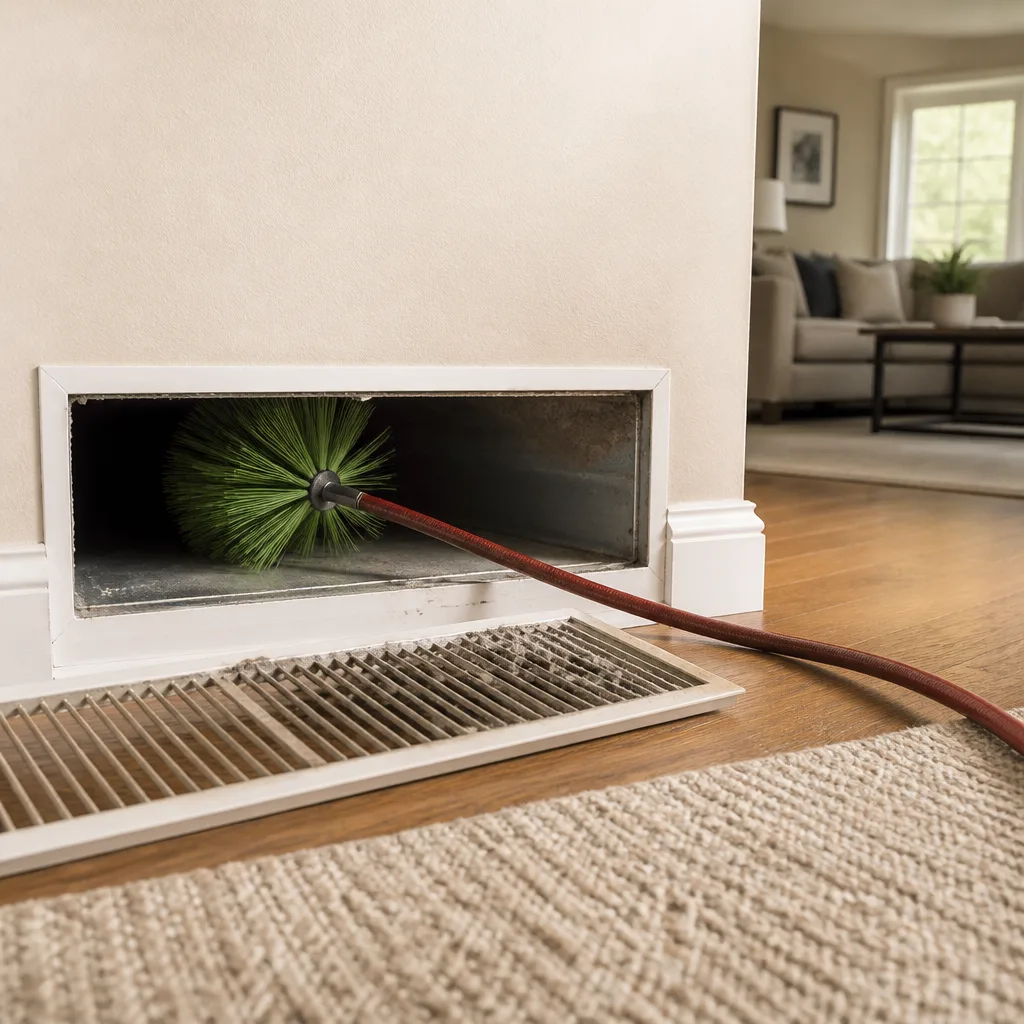 Sanitizing & deodorizing
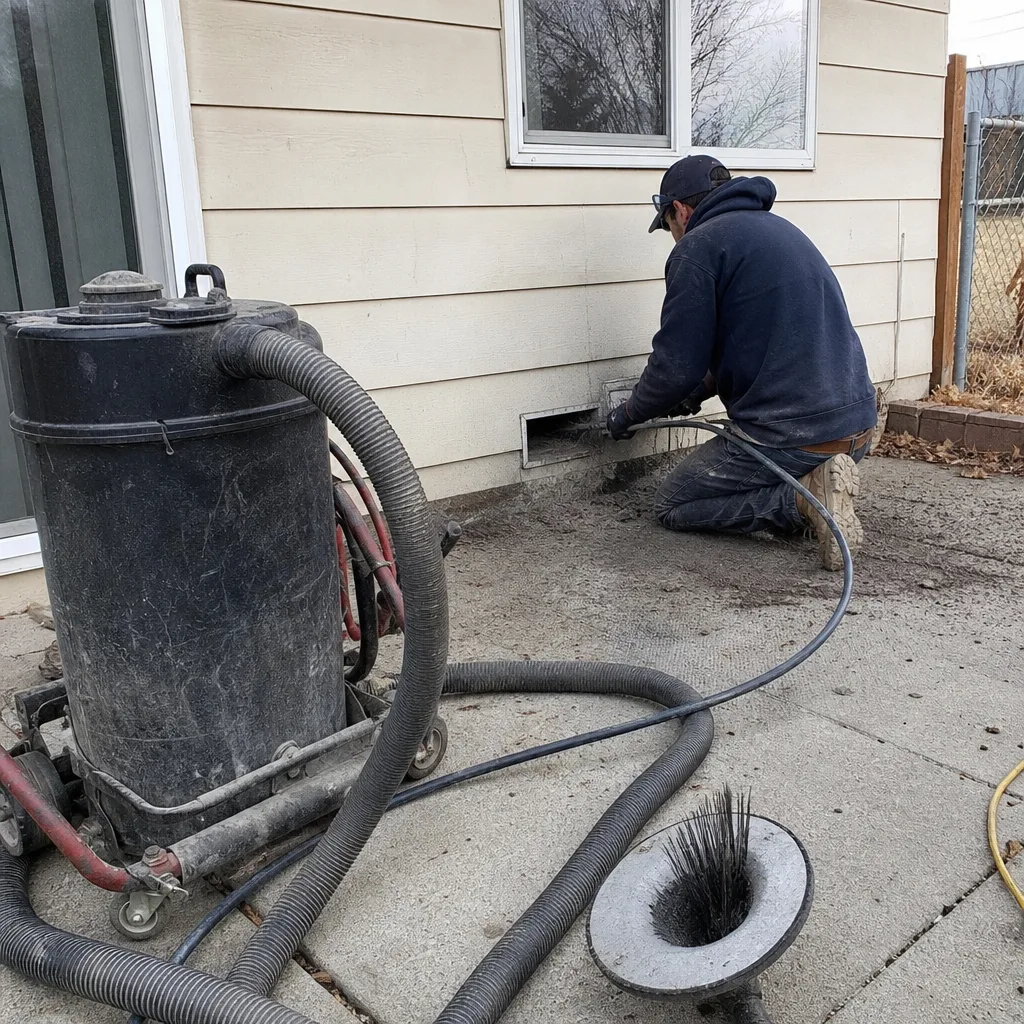
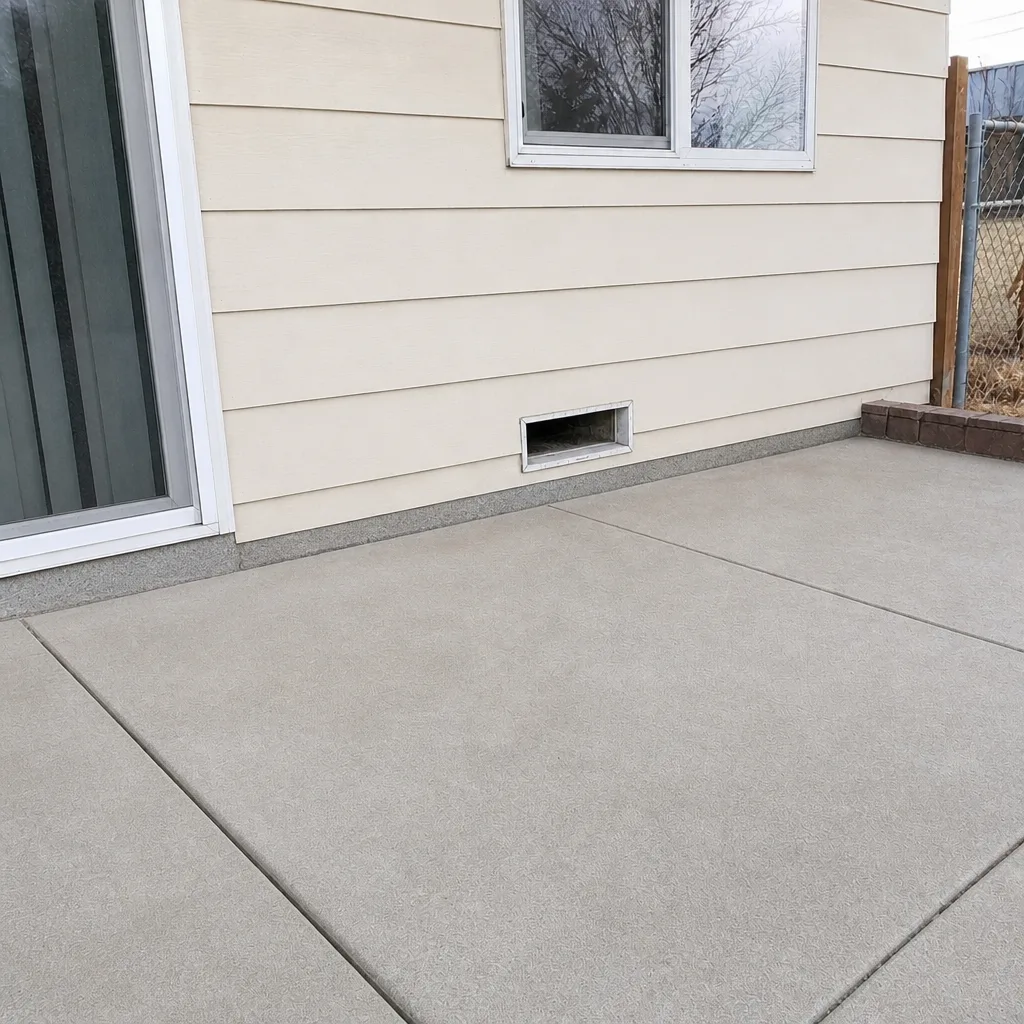
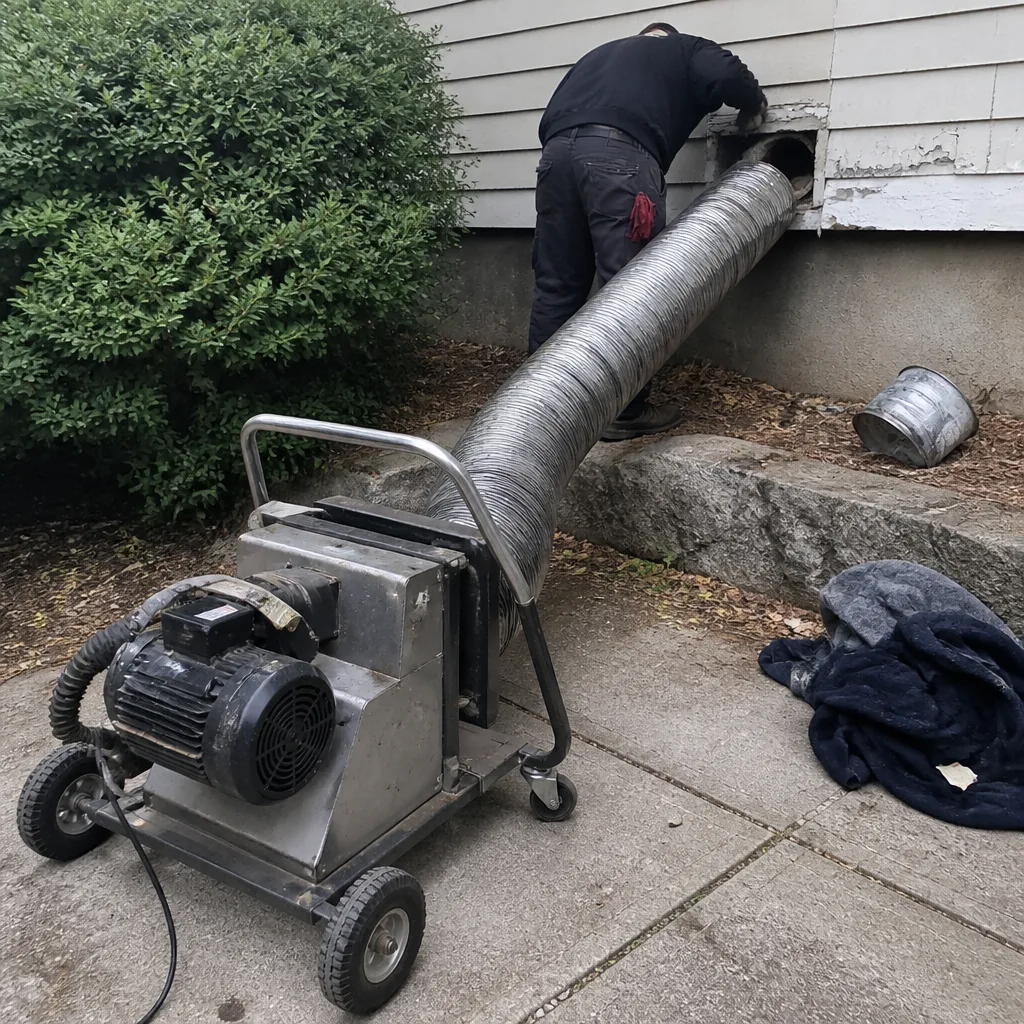
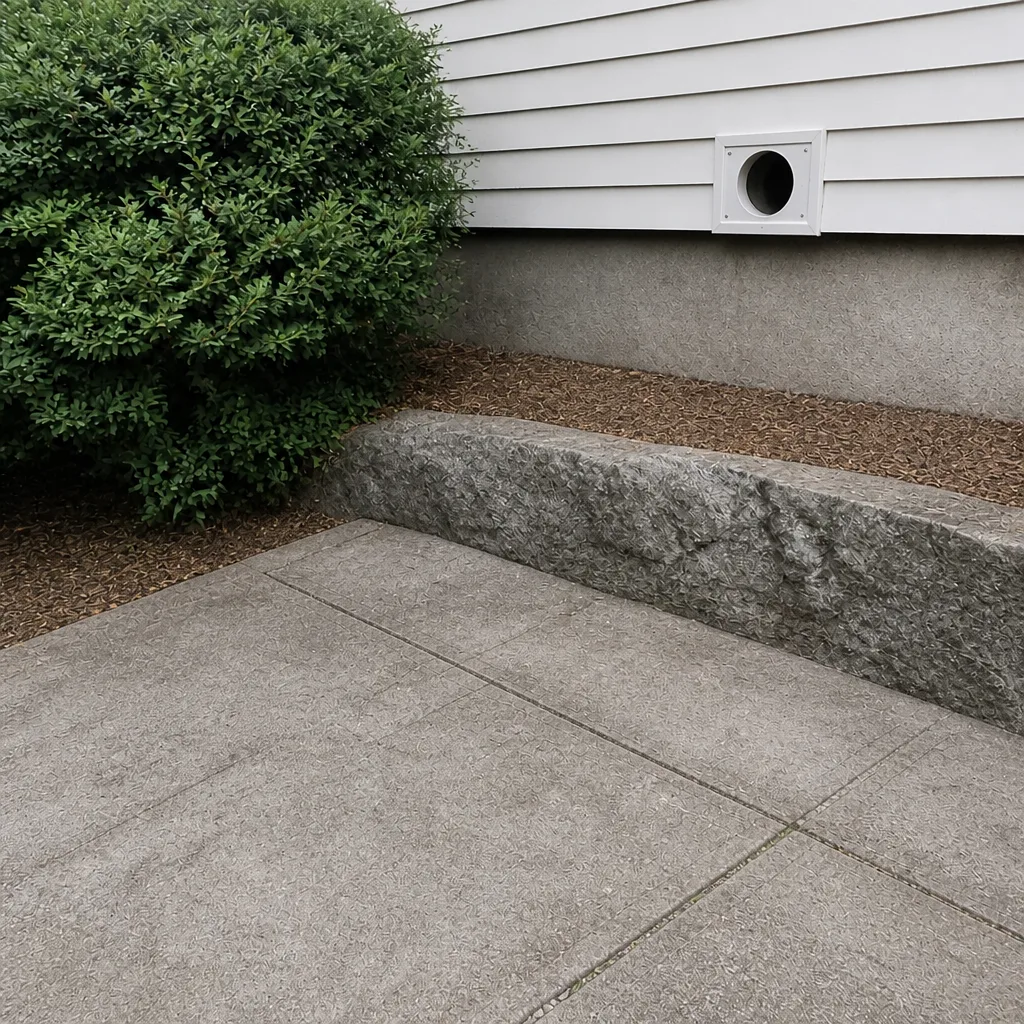
Whole-system duct and dryer vent check with before-and-after photos - you see exactly what came out of your vents
That "$99 whole-house special" is a bait ad - the real number appears once they are in your hallway, or the "clean" is a shop-vac at the register. We photograph the inside of your ducts before and after instead.
Air Duct Cleaning Permits, Codes & Inspections in West Valley City, UT: What You Need to Know
A contractor seals your leaky ducts with mastic and sheet metal, charges you for the upgrade, and leaves no permit trail. Six months later you’re selling your home and the inspector flags unpermitted HVAC modifications. That pattern plays out in Utah’s real estate market more often than most homeowners expect, and it starts with a simple misunderstanding: that duct work lives outside the building code. Cleaning your ducts usually doesn’t require a permit. Modifying them often does. This guide walks through which duct-related services in West Valley City need a permit under Utah’s adopted mechanical codes, which are routine maintenance, how Salt Lake County handles mechanical inspections, and what paperwork to keep either way.
Quick Answer
Cleaning the inside of your air ducts is maintenance and does not require a permit in West Valley City. Duct repair, duct sealing that alters the system, new duct runs, and HVAC modifications generally do require a mechanical permit through Salt Lake County, and unpermitted work can complicate insurance claims and home sale inspections. The permit question follows the work, not the company doing it.
Styles & brands we work with
- Whole-home duct cleaning
- Dryer vent cleaning
- Camera inspection
- Sanitizing & deodorizing
Table of Contents
- Does Air Duct Cleaning Require a Permit in West Valley City?
- Which Duct-Related Services Need a Permit Under Utah Code?
- How Salt Lake County’s Mechanical Inspection Process Works
- The Insurance Angle: Why Unpermitted Work Matters
- NADCA and ACCA Standards When No Permit Is Required
- What to Ask Your Contractor to Document
- West Valley City Climate and What It Does to Your Ducts
- Home Sales, Disclosure, and the Permit Trail
Does Air Duct Cleaning Require a Permit in West Valley City?
No. Air duct cleaning in West Valley City does not require a permit because it’s classified as maintenance, not construction. You’re removing accumulated dust, debris, and contaminants from an existing system. The duct layout doesn’t change, no new equipment is installed, and the mechanical system stays as it was built and inspected.
The same logic applies to dryer vent cleaning. Clearing lint from a vent run doesn’t alter the structure of your home or the mechanical system, so no permit is triggered. Most homeowners never think about this, and they don’t need to.
Where people get tripped up is assuming that because cleaning is exempt, everything a duct company offers is exempt too. That’s not how Utah’s mechanical code reads. The code cares about whether the system itself is being altered, extended, or repaired in a way that affects its performance or safety. Cleaning removes material. Repair changes the system.
In our experience, the confusion usually surfaces during a home sale or an insurance claim, not during the job itself. A homeowner hires someone to “clean and seal” the ducts, the sealing involves cutting in new fittings or rerouting a run, and nobody pulls a permit because the invoice said “cleaning.” That gap is where trouble starts.
If you want to understand what a proper cleaning job looks like from start to finish, our air duct cleaning page walks through the equipment and process. The permit question is separate, and it depends entirely on what else is being done to the system.
Which Duct-Related Services Need a Permit Under Utah Code?
Utah adopts the International Mechanical Code, and Salt Lake County enforces it locally. Under that framework, work that modifies, extends, or repairs a mechanical system generally requires a permit. Work that maintains an existing system in place generally does not. Here’s how the common duct services break down.
Usually Permit-Exempt (Maintenance)
- Cleaning air ducts, registers, and grilles
- Cleaning dryer vents
- Cleaning the air handler and evaporator coil surfaces
- Replacing a standard air filter
- Applying antimicrobial treatments to duct interiors
Usually Requires a Mechanical Permit
- Installing new duct runs or extending an existing system
- Rerouting ductwork to serve a new room or addition
- Replacing a furnace, air handler, or major HVAC component
- Sealing that involves cutting into ductwork or adding new fittings
- Any change that alters the system’s design or capacity
The line isn’t always obvious. Sealing a few accessible joints with mastic is typically treated as maintenance. Cutting in a new takeoff, replacing a section of flex duct, or moving a return is a modification. A reputable contractor will tell you which side of that line the job falls on before work starts, not after the invoice is written.
If you’re unsure, the safest move is to call Salt Lake County’s building department and describe the work in plain language. They’ll tell you whether a permit is needed. It takes a few minutes and it protects you down the road.
How Salt Lake County’s Mechanical Inspection Process Works
When a permit is required, the process follows a standard sequence. Understanding it helps you spot a contractor who’s cutting corners. Here’s how it usually goes.
- Permit application. The contractor (or the homeowner, if acting as their own) applies for a mechanical permit with Salt Lake County and pays the fee. The scope of work is described on the application.
- Work performed. The licensed contractor performs the work to code. Duct sealing, new runs, and equipment changes are completed per the approved scope.
- Inspection request. Once the work is done, the contractor requests an inspection. The county schedules a visit.
- Inspection. A county inspector reviews the work against the code and the permit scope. If it passes, the permit is closed. If not, corrections are noted and the contractor returns.
- Final documentation. The closed permit becomes part of your home’s record. Keep a copy with your other home documents.
This matters in West Valley City for the same reason it matters everywhere in Salt Lake County: the county’s records are what a future buyer’s inspector will check. A permit that was pulled and closed is proof the work was done to code. No permit on record for a modification is a flag.
One thing worth knowing: if you’re having HVAC cleaning done at the same time as a repair, only the repair portion of the job is what triggers the permit question. Cleaning the system is separate from altering it.
The Insurance Angle: Why Unpermitted Work Matters
Here’s the part most homeowners don’t hear until it’s too late. Homeowner’s insurance covers damage from covered perils like fire or sudden water intrusion. But if the damage traces back to unpermitted, non-code work, the insurer can deny or reduce a claim. It’s not automatic, and it depends on the policy language and the specifics of the loss, but it’s a real risk.
Think about how duct and HVAC work connects to the two biggest claim categories. Duct modifications that affect airflow can contribute to condensation problems and moisture where it shouldn’t be. Unpermitted electrical work tied to an HVAC change is a fire concern. If a claim is filed and the adjuster finds work that was never inspected, the conversation shifts from “what happened” to “was this done to code.”
Insurance companies generally don’t require a permit for routine maintenance like cleaning. They do care about modifications that were never inspected. The documentation you keep – the scope of work, the materials, the before and after photos, and any permit record – is what supports a claim when something goes wrong.
This is why we document every job the way we do. Before-and-after photos, a written scope, and materials listed. Not because we expect a claim, but because you should have proof of what was done regardless of what happens next.
NADCA and ACCA Standards When No Permit Is Required
No permit doesn’t mean no standard. Two professional benchmarks exist for duct work, and they matter even when the county isn’t inspecting.
NADCA Standards
The National Air Duct Cleaners Association publishes ACR, the Assessment, Cleaning, and Restoration standard for HVAC systems. It defines how a system should be assessed, how cleaning should be performed, and how the results should be verified. It also sets out when restoration – like sealing or repair – is needed versus cleaning alone. A contractor following NADCA practice will assess the system before cleaning and document what they found.
ACCA Guidelines
The Air Conditioning Contractors of America publishes standards for system design and airflow, including Manual D for duct design and Manual J for load calculations. When duct repair or sealing is being planned, ACCA guidelines are the reference for whether the change will actually work with the system’s capacity. A sealed system sized wrong is still an inefficient system.
Neither standard is a substitute for a permit where one is required. But when the work is exempt from permitting, these are what separate a professional job from a quick pass with a shop vacuum. When we assess a system, we’re looking at it through the NADCA lens first: what’s the condition, what’s the contamination source, and what restoration is needed. That’s where West Valley City air duct cleaning starts, not with a cleaning wand.
What to Ask Your Contractor to Document
Whether or not a permit is required, you should walk away from any duct or HVAC job with a paper trail. This is your protection during an insurance claim, a home sale, or a warranty dispute. Here’s what to ask for.
- Written scope of work. Exactly what was cleaned, repaired, or sealed. Not “duct cleaning” – the actual list of components and any modifications.
- Before-and-after photos. Of your own system, not stock images. Interior duct photos taken during the job.
- Materials and products used. Brand names and product types. If a sealant or antimicrobial was applied, you should know what it was.
- Permit number, if applicable. Any mechanical permit pulled for the work, plus the inspection result.
- Equipment used. Contact-vacuum and negative-pressure equipment is the standard for a proper job. This should be identifiable from the documentation.
Store these with your home records – the same folder as your appliance manuals and warranty paperwork. When you sell, they’re proof the work was done right. When you file a claim, they’re proof of the condition of the system.
On our jobs, the equipment that shows up is Rotobrush and Nikro cleaning systems, with Abatement Technologies negative-air equipment containing contaminants during the work. That’s the standard we document against, and it’s what we recommend you ask any contractor about.
West Valley City Climate and What It Does to Your Ducts
West Valley City sits in the Salt Lake Valley, which shapes how duct systems age here in ways that matter for both maintenance and inspection. The valley’s winter inversions trap cold air and particulate near the ground for extended stretches. Furnaces run hard through those months, pulling air through the system constantly. That’s more load on the ducts and more opportunity for fine particulate to settle in the runs.
Summers bring dry heat and the opposite problem: air conditioning running continuously, dust entering through returns, and the system cycling high volumes of air through the same ducts that just finished a heating season. Ducts in West Valley City get a full workout across both seasons.
Housing stock matters too. Much of the West Valley City housing stock dates to the mid-to-late 20th century, which means duct systems built in that era. Some have been updated. Many haven’t. Older duct systems in this climate often have disconnected joints, deteriorated flex duct, and leaks that have been quietly losing conditioned air for years. When we assess a system in West Valley City, we’re often looking at duct repair and sealing needs, not just cleaning.
That’s where the permit question becomes practical. A duct system with multiple disconnected runs being reconnected and sealed is repair, and repair can require a permit. Cleaning is maintenance. Knowing which you’re dealing with – and documenting it – is the whole point of this guide.
Home Sales, Disclosure, and the Permit Trail
When a West Valley City home goes on the market, the buyer’s inspector looks at the mechanical system. They check the furnace, the air handler, the visible ductwork, and the permit history where accessible. Unpermitted HVAC modifications get flagged. It’s one of the more common findings in older homes.
This is where the documentation from every past service pays off. If you had duct repair and sealing done and the contractor pulled the permit and closed it, you have proof. If you had cleaning done, you have the invoice and photos showing the system condition at the time. Both are useful. Neither is a problem.
The problem is the gap – work that was done without a permit where one was required, and no documentation to support it. That’s what creates the negotiating headache during a sale and the coverage question during an insurance claim. A few minutes spent confirming whether a permit is needed, and requesting a copy if one is pulled, avoids both.
Common Mistakes to Avoid
- Assuming all duct work is permit-exempt because cleaning is. Cleaning is maintenance, but repair and modification are not. Ask specifically what the job involves before assuming no permit is needed.
- Not asking about the permit until closing. If duct work is being bundled into a larger HVAC job in West Valley City, confirm the permit scope at the start, not during the home inspection.
- Accepting “we don’t need a permit for that” without a second opinion. Contractors who avoid permits do so because permitting slows the job and adds cost. That’s their convenience, not your protection.
- Throwing away the documentation. Before-and-after photos, scope of work, and inspection results belong in your home records. They’re the difference between a clean claim and a contested one.
- Ignoring the system after a cleaning. Cleaning removes contamination but doesn’t fix disconnected ducts or failed seals. If you’re seeing high dust and uneven airflow after a cleaning, the system needs assessment, not another cleaning.
- Hiring on price alone. A quote that’s substantially lower than others usually reflects a smaller scope: less equipment, less containment, and no documentation. That shows up later, not at the invoice.
- Forgetting the dryer vent. Vent cleaning runs alongside duct work and is its own maintenance item. A clogged dryer vent is a fire risk in any home, and it’s a separate line item from duct cleaning.
See the difference
 Before
 After
 Before
 After
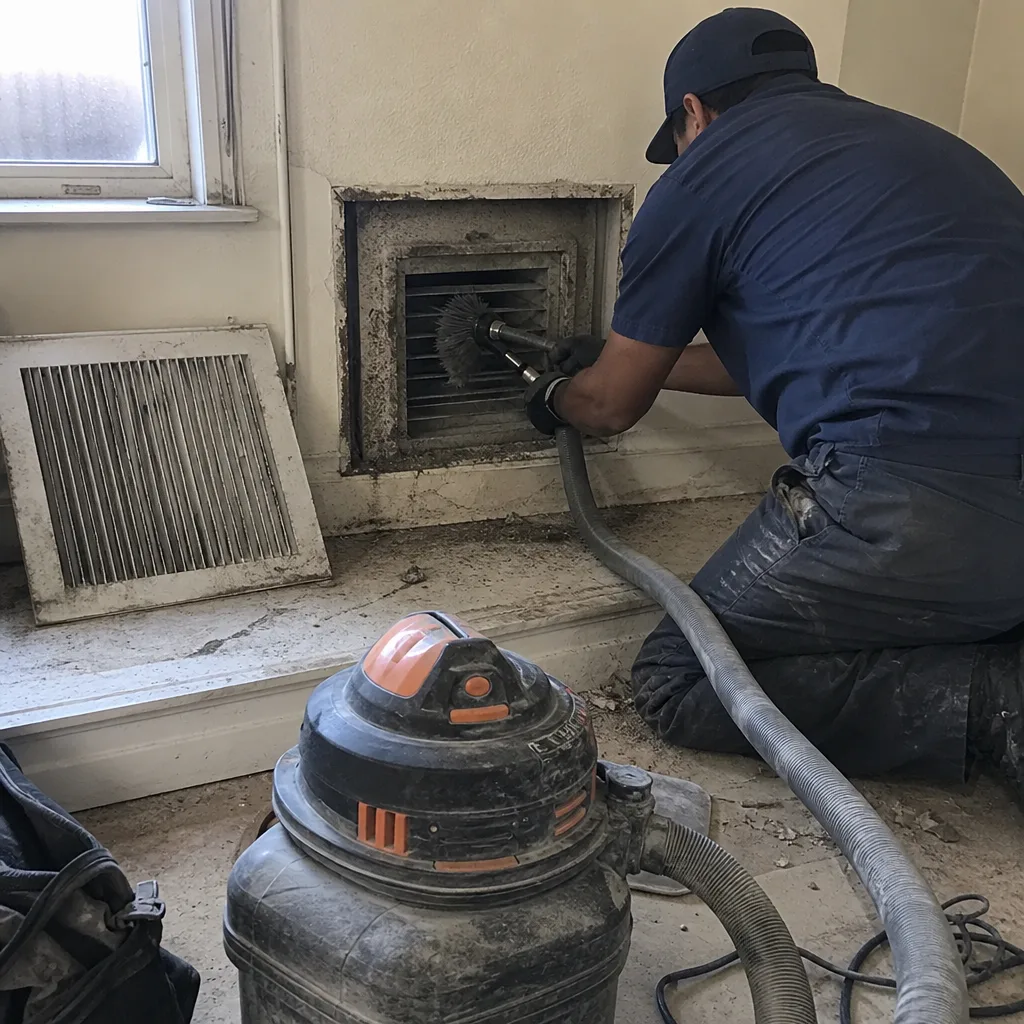 Before
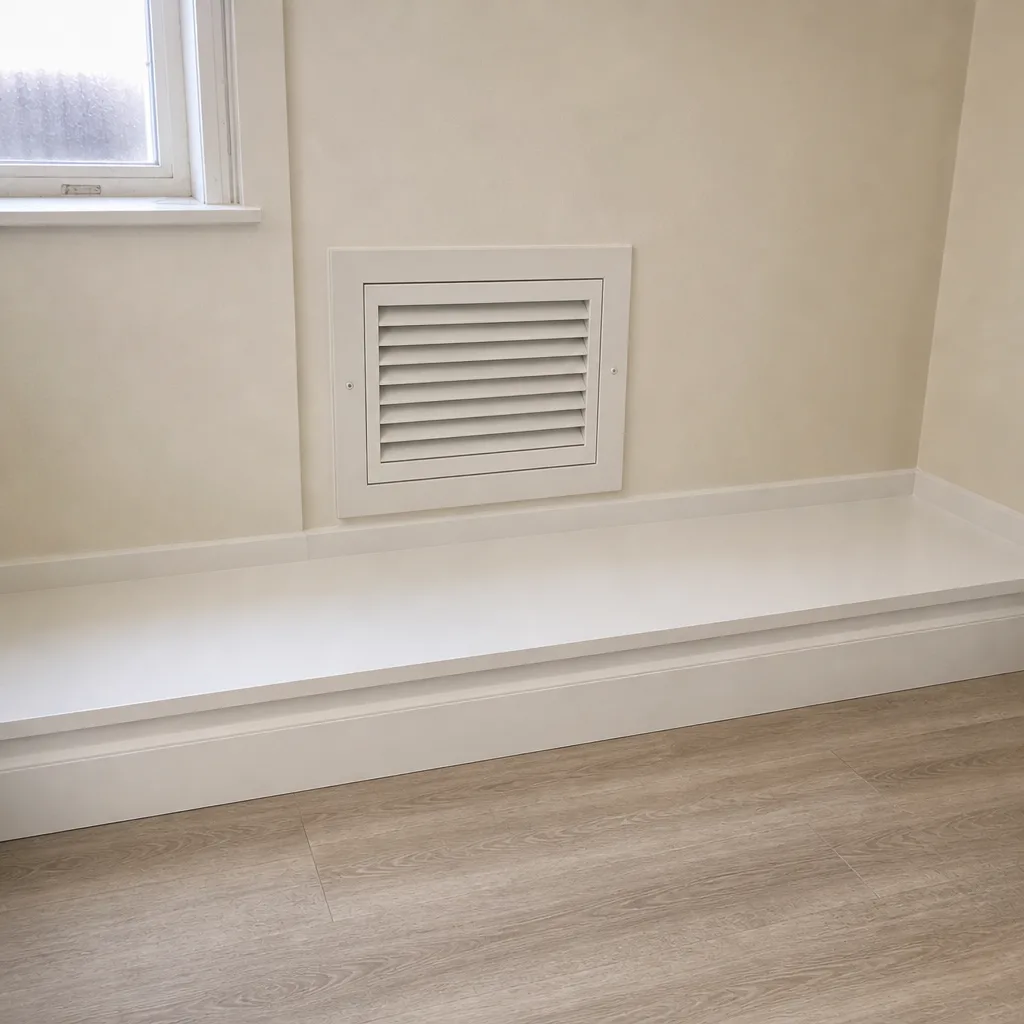 After
When to Call a Professional
Some duct issues are maintenance. Some are repair. Some are safety. Here’s when to bring in a professional rather than wait. If your system has visible dust blowing from registers after a cleaning, if you’re seeing disconnected flex duct in the attic or crawlspace, if airflow is uneven room to room, or if you’ve had a recent renovation or water intrusion that may have pushed debris or moisture into the system, it’s worth an assessment. If you’re planning a modification and aren’t sure whether a permit applies, that’s a call too. West Valley City Air Duct Cleaning offers free estimates in West Valley City. Call (844) 443-4789. We answer 24/7. Fast dispatch from 7am to 7pm, Sunday through Friday.
Frequently Asked Questions
No. Air duct cleaning in West Valley City is classified as maintenance and does not require a mechanical permit under Utah’s adopted codes. Duct repair, sealing that alters the system, new duct runs, and HVAC modifications generally do require a permit. Call (844) 443-4789 for a free estimate and we’ll tell you which category your job falls into.
Cleaning removes contaminants from an existing system without changing it. Repair modifies the system – reconnecting ducts, sealing joints by cutting in new material, extending runs, or replacing components. Cleaning is maintenance. Repair that changes the system is generally permit-required. Call (844) 443-4789 to confirm before work starts.
It can. If damage traces back to unpermitted, non-code work, an insurer can deny or reduce a claim depending on the policy language. Routine cleaning is not the concern. Modifications that were never inspected are. Keeping documentation of every job protects you. Call (844) 443-4789 for a free estimate and we’ll explain exactly what we’d document for your system.
Ask what equipment they use and ask for before-and-after photos of your own system. A proper job uses contact-vacuum and negative-pressure equipment – not a shop vacuum. We use Rotobrush and Nikro cleaning systems and Abatement Technologies negative-air equipment for containment, and we document every job. Call (844) 443-4789 for a free estimate.
Keep the written scope of work, before-and-after photos, the list of materials and products used, and any permit number and inspection result. Store them with your home records. They’re proof of condition for insurance, warranty, and home sale purposes. Call (844) 443-4789 and we’ll walk you through what we provide on every job.
No. Sealing accessible joints with mastic is typically treated as maintenance. Sealing that involves cutting into ductwork, adding fittings, or rerouting a run is a modification and generally requires a permit. When in doubt, call Salt Lake County’s building department or call us at (844) 443-4789 for a free estimate and a straight answer on your job.
The Bottom Line
Air duct cleaning in West Valley City doesn’t require a permit. Duct repair, sealing that alters the system, new duct runs, and HVAC modifications generally do. The permit question follows the work, not the company doing it, and getting it wrong is what creates problems during an insurance claim or a home sale. Keep documentation on every job whether or not a permit was pulled: the scope, the photos, the materials, and the permit record if there is one. Follow NADCA and ACCA standards as your benchmark when the county isn’t inspecting. And when a job involves repair, confirm the permit side before work starts. West Valley City Air Duct Cleaning offers free estimates. Call (844) 443-4789. We answer 24/7. Fast dispatch from 7am to 7pm, Sunday through Friday.
Written by the team at West Valley City Air Duct Cleaning.