
Last updated November 24, 2026
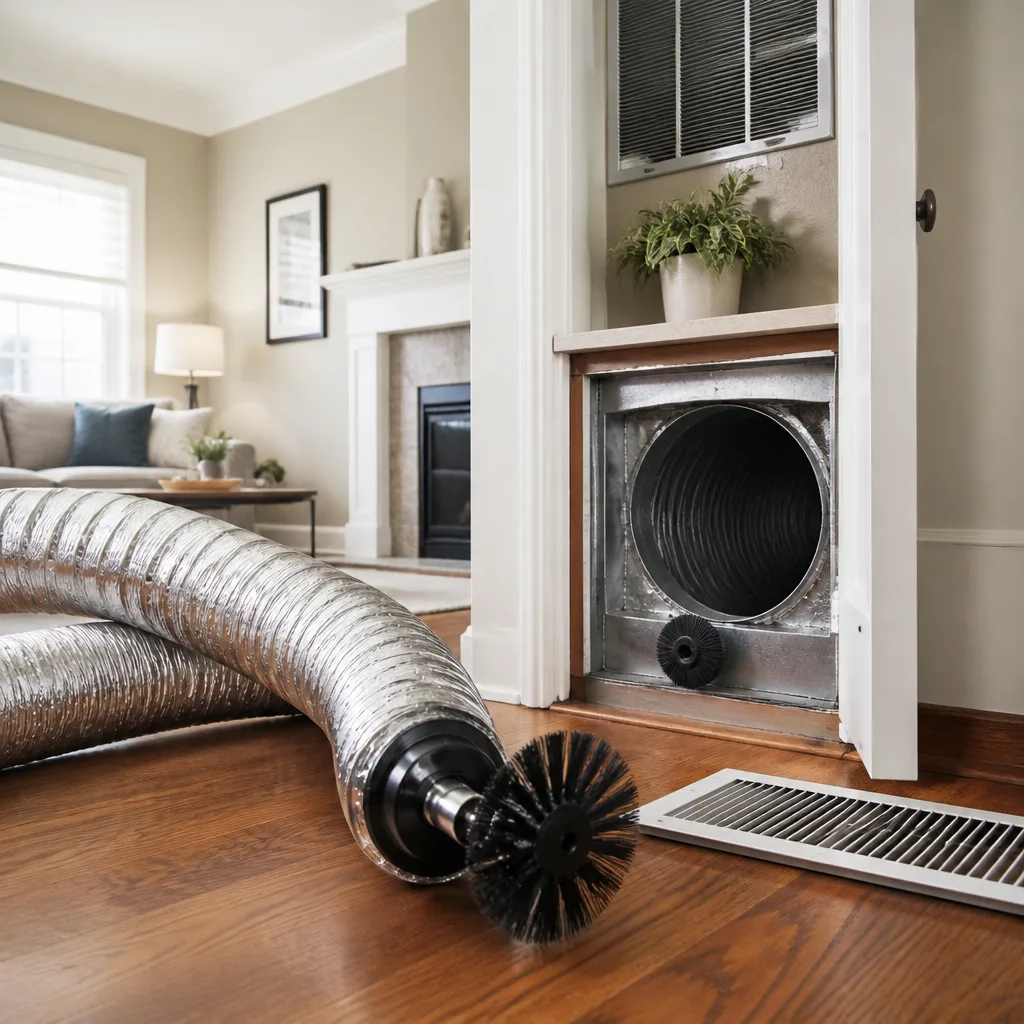 Whole-home duct cleaning
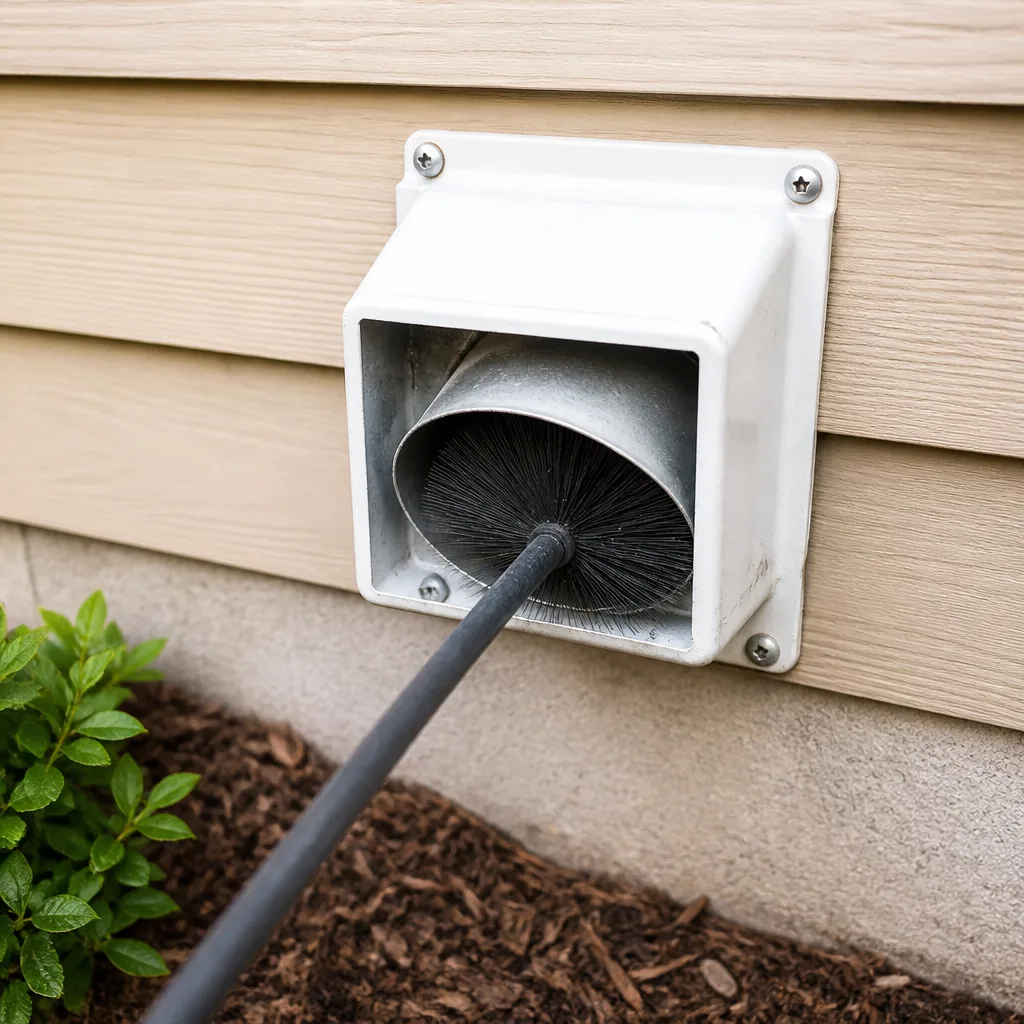 Dryer vent cleaning
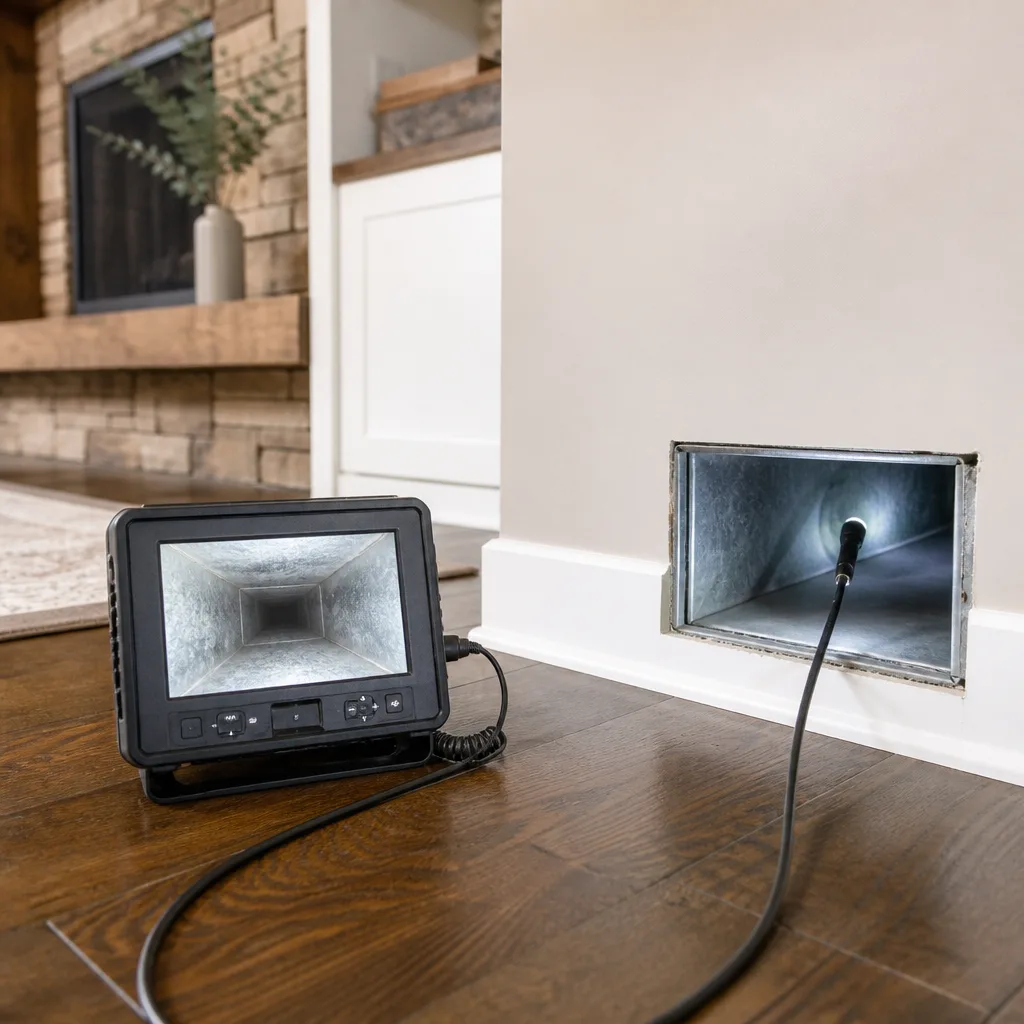 Camera inspection
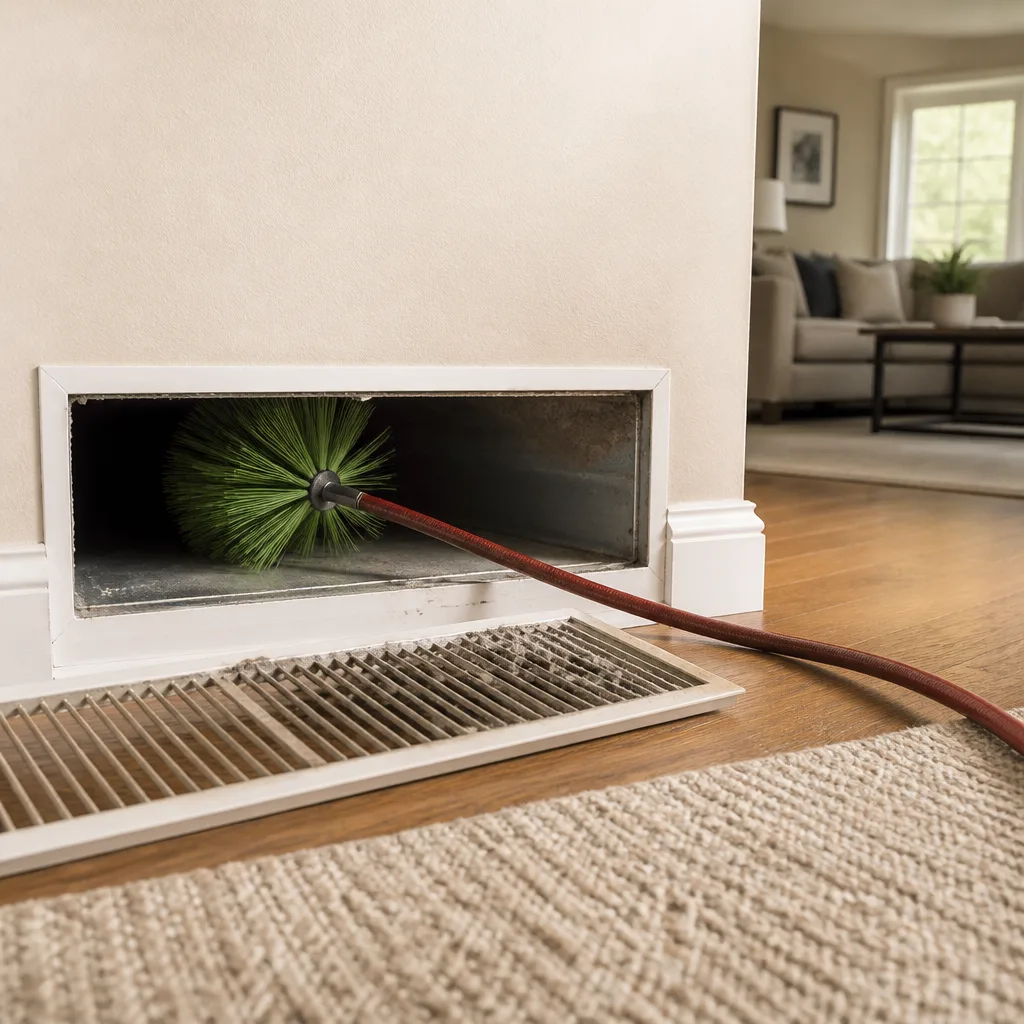 Sanitizing & deodorizing
Whole-system duct and dryer vent check with before-and-after photos - you see exactly what came out of your vents
That "$99 whole-house special" is a bait ad - the real number appears once they are in your hallway, or the "clean" is a shop-vac at the register. We photograph the inside of your ducts before and after instead.
Air Duct Cleaning Troubleshooting in West Valley City: Common Problems and How to Fix Them
If a technician quotes you a duct cleaning before they’ve checked static pressure or looked for disconnected duct sections, they’re guessing – and you’re paying for it. Most of what homeowners describe as “dirty ducts” isn’t a duct problem at all. It’s a pressure problem, a sealing problem, or a coil problem wearing a duct costume. In this guide we walk through the symptoms you can observe yourself, what each one usually points to mechanically, and how to tell a contamination issue from an airflow issue before anyone quotes you a job. Everything here applies to the mix of older and newer housing stock across West Valley City.
Quick Answer
Most air duct problems in West Valley City come down to one of three root causes: contamination settling inside the ductwork, leakage at joints and returns that pulls attic or crawlspace air into the system, or equipment-side issues like a dirty evaporator coil or clogged drain pan. Cleaning alone fixes the first. The second needs duct repair and sealing. The third needs HVAC service. Diagnosing which one you actually have – before booking a cleaning – is the whole game.
Styles & brands we work with
- Whole-home duct cleaning
- Dryer vent cleaning
- Camera inspection
- Sanitizing & deodorizing
Table of Contents
- Contamination vs. Airflow: How to Tell Which Problem You Have
- Why Rooms Stay Dusty Days After Cleaning
- Mold vs. Bacteria vs. Rodent Contamination: Different Problems, Different Fixes
- Why a Cleaned System Still Smells Musty
- Using Your Utility Bill as a Troubleshooting Tool
- Static Pressure: The Number Nobody Checks
- When the Problem Isn’t the Ducts at All: Dryer Vent Symptoms
- When to Call a Professional
Contamination vs. Airflow: How to Tell Which Problem You Have
These are two different problems with two different fixes, and homeowners routinely pay for the wrong one. Contamination means particulate, dust, pet hair, or microbial growth has accumulated inside the ductwork. Airflow restriction means the system can’t move the volume of air it was designed for – usually because of leaks, crushed flex duct, or undersized returns. Cleaning solves the first. It does nothing for the second.
Here’s how to tell them apart with basic observation, no tools required:
- Contamination signs: Visible dust streaks around supply registers, dark staining on register faces, a puff of dust when the system kicks on, musty or stale odor that follows the air, visible debris on top of the grille.
- Airflow restriction signs: Weak airflow from some registers but strong from others, rooms that never get comfortable regardless of thermostat setting, whistling or whooshing at returns, a system that runs long but doesn’t reach setpoint, dust settling on horizontal surfaces within days of cleaning.
If you have both sets of signs, you probably have both problems. That’s common in West Valley City homes where ductwork was installed decades apart or where an addition was tied into the original system without recalculating the design.
- Walk to each supply register while the system is running and hold a tissue against the grille. Note which ones hold it and which ones don’t.
- Write down which rooms feel stuffy versus which feel fine. A pattern across rooms points to a duct design or leakage issue.
- Check the return grilles for dust build-up. Heavy return-side dust suggests leakage on the return path, not dirty supplies.
- Note any odor and when it appears. Odor at startup only points to a different cause than continuous odor.
- Keep that list. It’s more useful to a technician than any verbal description.
The key to knowing which issue you have is that contamination is fixed by cleaning inside the duct, and restriction is fixed by air duct cleaning paired with duct repair and sealing. If a company quotes cleaning only, ask what they’ll do if they find a disconnected section mid-job. The answer tells you a lot.
Why Rooms Stay Dusty Days After Cleaning
If a room is dusty again within days of a cleaning, the dust usually isn’t coming from your supply ducts. It’s being pulled in through a return-side leak – a gap at a return plenum, a disconnected return boot, or an unsealed joint where the return path passes through an attic or unconditioned space. The system is sucking in unfiltered air and redistributing it through the house before the filter ever sees it.
This is one of the most common problems we run into, and it’s easy to misdiagnose. The homeowner sees dust and assumes the supply ducts are dirty. A cheap cleaning gets sold, the dust returns, and the cycle repeats. The real fix is finding the leak and sealing it.
- Locate the return path. Every return grille pulls air back to the air handler. If any part of that path runs through an attic, garage, or crawlspace, that’s your likely leak zone.
- Check filter seating. A filter that doesn’t sit flush in its slot lets unfiltered air bypass completely. Look for dust streaking past the filter frame.
- Check for disconnected flex. Flexible duct that’s come detached from a boot or a plenum is common in homes with attic runs. It looks connected from a distance.
- Look for gaps at the air handler cabinet. Unsealed seams on the cabinet let air bypass the filter entirely.
Utah’s dry air does something else worth knowing. Very low indoor humidity means dust stays airborne longer instead of settling, so even a small leak that would be invisible in a humid climate turns into a visible problem. If you’re running a humidifier or noticing static shocks, you already know the air in your home is on the dry side. That makes return-side leakage more noticeable, not less.
Duct repair and sealing is a service we treat as core, not an upsell. When we inspect in West Valley City, we’re looking for the leak, not just measuring how dirty the inside of a supply run is. A cleaning without a leak check is half a job.
Mold vs. Bacteria vs. Rodent Contamination: Different Problems, Different Fixes
These three contamination types look similar in a flashlight beam and get treated identically by too many contractors. They shouldn’t be. Mold needs moisture control and antimicrobial treatment. Bacteria is often a byproduct of a drain pan problem or standing water in a plenum. Rodent contamination needs physical removal, then a sanitizing pass, plus sealing to prevent re-entry. Using the wrong approach wastes your money and the problem comes back.
Here’s what to look for as a homeowner:
- Mold: Dark speckling or fuzzy growth in patches, usually near the air handler or on the inside of the evaporator coil cabinet. Smells earthy and damp, not sharp.
- Bacteria: Smell is sharper, more like dirty socks or swampy water. Often centered on a wet drain pan or standing water in the plenum. Visible bio-slime near the coil.
- Rodent: Droppings or nesting material at register openings, a musky animal odor, chew marks on flex duct, or actual entry holes. Often worse in the return path or duct runs through the attic.
Each requires a different remediation approach. Mold calls for controlled cleaning plus antimicrobial treatment on the interior surfaces – we use Guardsman antimicrobial sanitizing treatment when that’s the right fit. Bacteria points to a moisture source that must be fixed first, usually the coil or drain pan. Rodent contamination requires removal of the material, containment so it doesn’t get redistributed during cleaning, and sealing the entry point, or the animal comes right back.
This is where professional-grade containment equipment matters. Abatement Technologies negative-air equipment keeps debris and particulate captured during cleaning instead of letting it drift into the living space. If a technician shows up with a shop vac and no containment strategy, that’s a signal. It’s also a big part of why we’re not set up as a low-powered discount operation – the tools set the standard.
Why a Cleaned System Still Smells Musty
A musty smell that persists after a duct cleaning almost never means the ducts are re-contaminated. It usually means the contamination source was never inside the ducts to begin with. The most common culprits are a dirty evaporator coil, a drain pan with standing water or biological growth, or a wet filter that’s been sitting too long. If duct cleaning was sold as the whole fix, the smell was always going to return.
The mechanic is simple: moist air passes over the coil every time the system runs. If the coil is fouled, or the drain pan isn’t draining, you get biological growth that releases odor into the airstream after the coil. Duct cleaning cleans the ducts. It doesn’t clean the coil and it doesn’t clean the drain pan, unless that’s part of the service scope.
What to check before paying for another duct cleaning:
- Look at the filter. If it’s damp or heavily loaded, replace it and see if the smell changes.
- Check the drain pan and condensate line at the air handler. Standing water or sludge is a red flag.
- Smell the air right at a supply register versus in the room. If the smell is strongest right at the register, the source is upstream.
- Note whether the smell is worse when the system first turns on. That points to growth on the coil or in the plenum.
- Ask a technician to inspect the coil and pan before quoting a second cleaning.
This is one spot where HVAC cleaning and duct cleaning belong together. The full-system approach catches the coil and pan, so you’re not cleaning ducts while the actual smell source sits untouched a few feet away.
Using Your Utility Bill as a Troubleshooting Tool
Your utility bill is one of the most useful diagnostic tools you have, and almost nobody looks at it that way. The pattern of when costs rose tells you something about whether you’re paying for duct leakage, filtration failure, or equipment inefficiency. A bill that jumps suddenly looks different from one that creeps up over a season, and both look different from a bill that’s high only during peak summer or winter.
Here’s how to read the pattern:
- Sudden jump after no equipment change: Usually points to a duct leak that opened up – a disconnected flex run in the attic, a seal that failed after a hot summer. Cheapest thing to check first.
- Slow climb over years: Often points to filtration failure and coil fouling. A dirty coil reduces efficiency gradually. Duct cleaning plus coil cleaning is usually part of the answer, not just one.
- High cost concentrated in peak cooling season only: Often equipment inefficiency or a refrigerant charge problem, not a duct problem.
- High cost in both heating and cooling season: Often duct leakage, since leaks waste conditioned air year-round.
- Bill steady but rooms uncomfortable: Often airflow distribution rather than cost – ducts may be restricted or unbalanced.
West Valley City summers push a system hard, and the seasonal swing between cooling and heating demand here is pronounced. That makes the pattern in your bill more readable than it would be in a mild climate. If your bill spikes right when temperatures spike, pay attention to the comparison with last year’s same month before assuming the ducts are the problem.
Static Pressure: The Number Nobody Checks
Static pressure is the single most important number in duct diagnostics, and most companies never measure it. It tells you how hard the blower is working to move air through the system. High static pressure means restricted airflow – undersized returns, crushed flex duct, or a filter that’s too restrictive. Low static pressure can point to leakage. Either way, the number narrows down every symptom your house is showing.
Why it matters practically: if static pressure is high, cleaning alone won’t fix it. You need to identify what’s restricting the system and repair or reseal it. If static pressure is normal but rooms are still uneven, the problem may be the balance of the system rather than restriction or contamination.
When we assess a West Valley City air duct cleaning job, we’re looking at the pressure and the sealing together, because the two tell the story. Professional-grade equipment like Rotobrush and Nikro cleaning systems get the ducts clean, but they don’t correct a pressure problem. Only repair and sealing can do that. If a company can’t tell you what the static pressure was before and after their work, they’re not diagnosing – they’re just cleaning.
You can’t measure static pressure yourself without a manometer, but you can ask the right question. Any legitimate technician should be able to tell you the reading and what it means for your system. If that question gets a blank look, schedule with someone who can answer it.
When the Problem Isn’t the Ducts at All: Dryer Vent Symptoms
Some “duct problems” homeowners chase are actually dryer vent problems, and they show up as long dry times, a hot dryer exterior, or a laundry room that gets unusually humid. A restricted dryer vent is a different diagnosis with a different fix, and it’s worth knowing the symptoms so you don’t pay for supply duct cleaning when the real problem is the exhaust path.
- Clothes take more than one cycle to dry, or the second cycle comes out barely drier than the first.
- The dryer cabinet gets hot to the touch during a normal cycle.
- The laundry room feels noticeably more humid than the rest of the house after the dryer runs.
- A lint trap that fills unusually fast, or visible lint at the exterior vent flap.
- The exterior vent flap doesn’t open fully or makes noise when the dryer runs.
Dryer vents collect lint, and in Utah’s dry climate lint has more static cling, which makes it stick to duct walls more aggressively than it would in a humid climate. If your dryer vent run passes through an attic or wall cavity with multiple elbows, restriction builds faster.
Calling out dryer vent cleaning as a separate service is exactly the kind of scope creep that a full-system provider avoids, because doing both in one visit is more efficient and safer. If your system is showing both duct symptoms and dryer symptoms, they should be handled by the same company that can inspect both properly.
Common Mistakes to Avoid
- Booking duct cleaning before anyone’s checked static pressure or searched for disconnections. This is the biggest and most expensive mistake. Cleaning without diagnosis means you may be paying for the wrong fix. A diagnosis-first visit takes slightly longer but saves you a repeat job.
- Assuming visible register dust means the supply ducts are dirty. Register dust often comes from an unsealed supply boot or a gap around the grille, not from the duct interior. Cleaning won’t seal that gap.
- Treating all contamination the same. Mold, bacteria, and rodent contamination each need a different remediation approach. A generic cleaning misses the moisture source or the entry point, and the problem comes back within a season.
- Ignoring the coil and drain pan. The musty smell that survives a cleaning is almost always coming from the coil, the pan, or a wet filter. If the coil isn’t in scope, the smell stays.
- Skipping the return side. Return-side leakage pulls unfiltered air into the system, and it’s the most under-diagnosed problem we see. If you’re dusting within days of cleaning, the return path is your prime suspect.
- Buying low-powered bargain cleanings for old flex-duct systems. Low-powered truck-mount rigs struggle with decades-old flex duct in West Valley City homes. Professional contact-vacuum systems like Rotobrush and Nikro are built for it.
- Not asking for before-and-after photos. Any honest company will show you what came out and what the duct interior looked like before and after. If they won’t, that’s your answer about the work quality.
See the difference
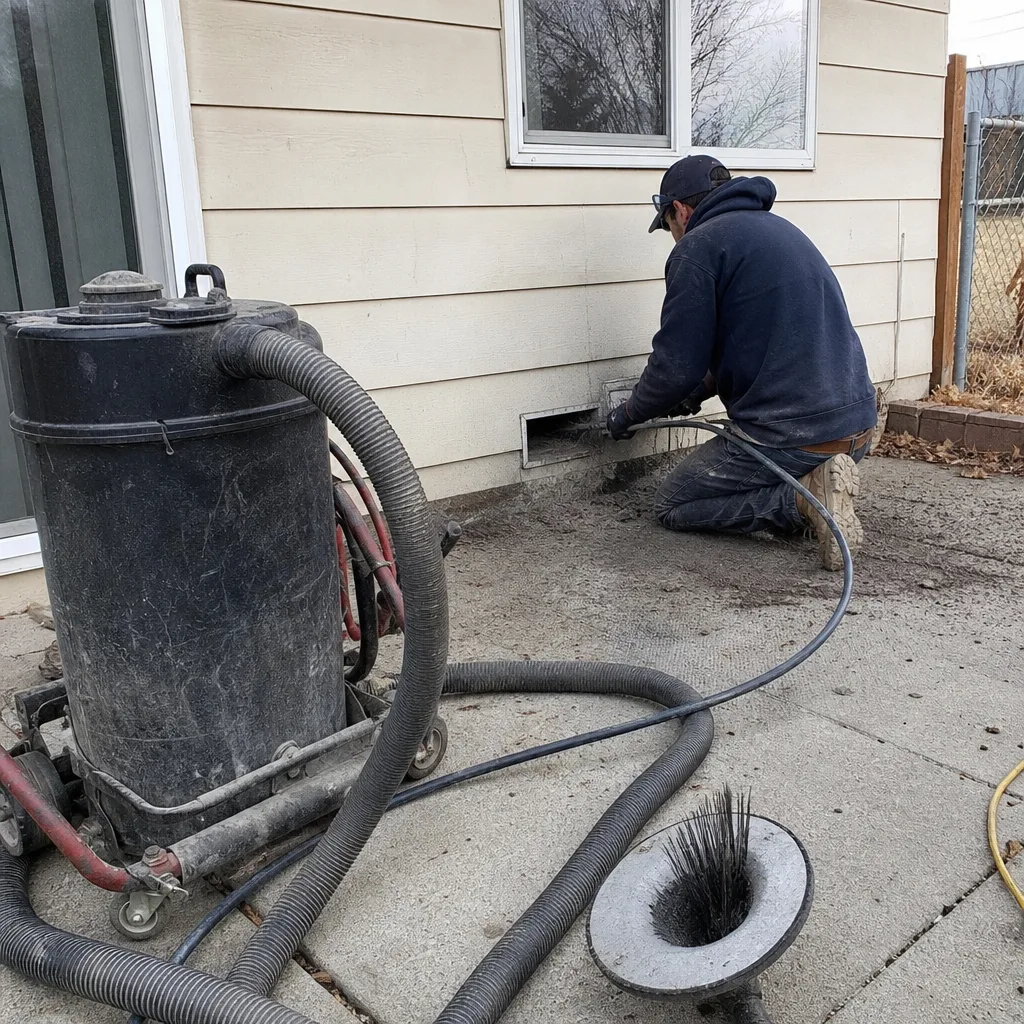 Before
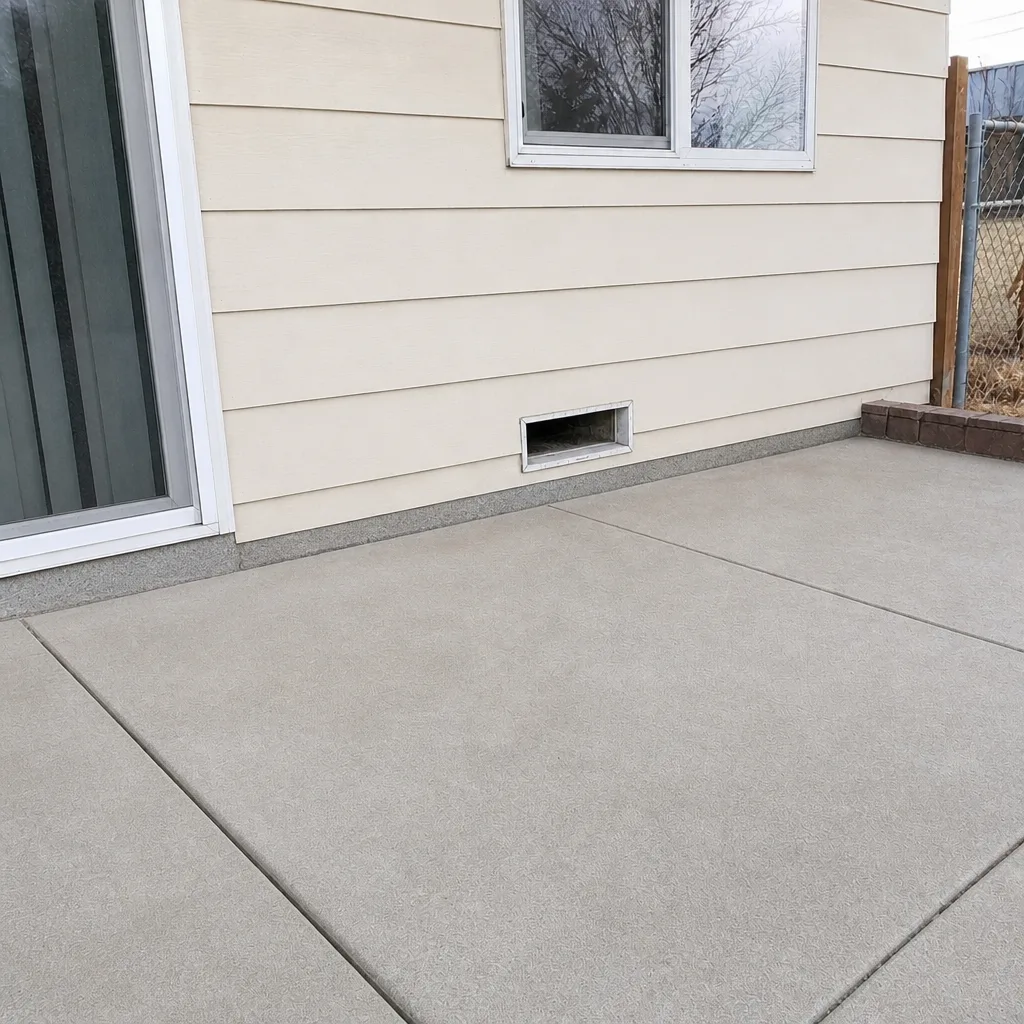 After
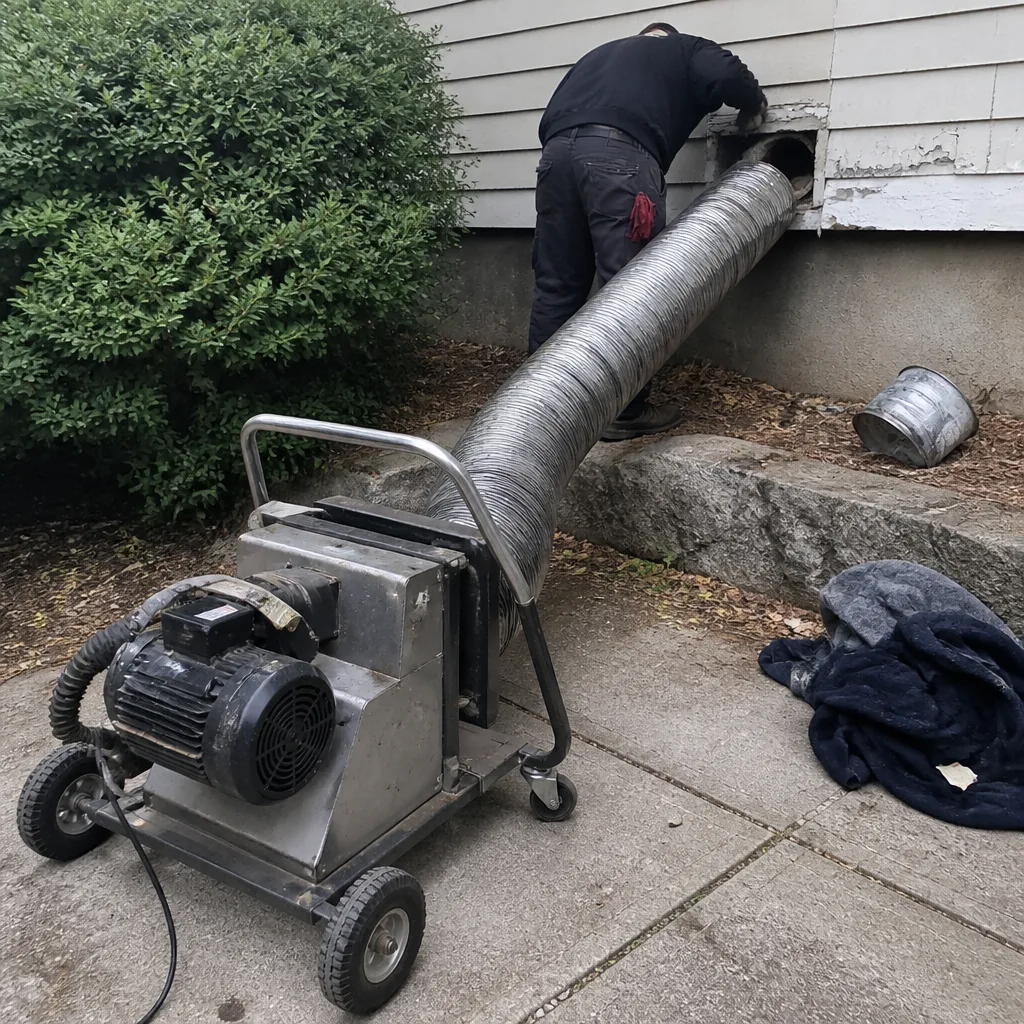 Before
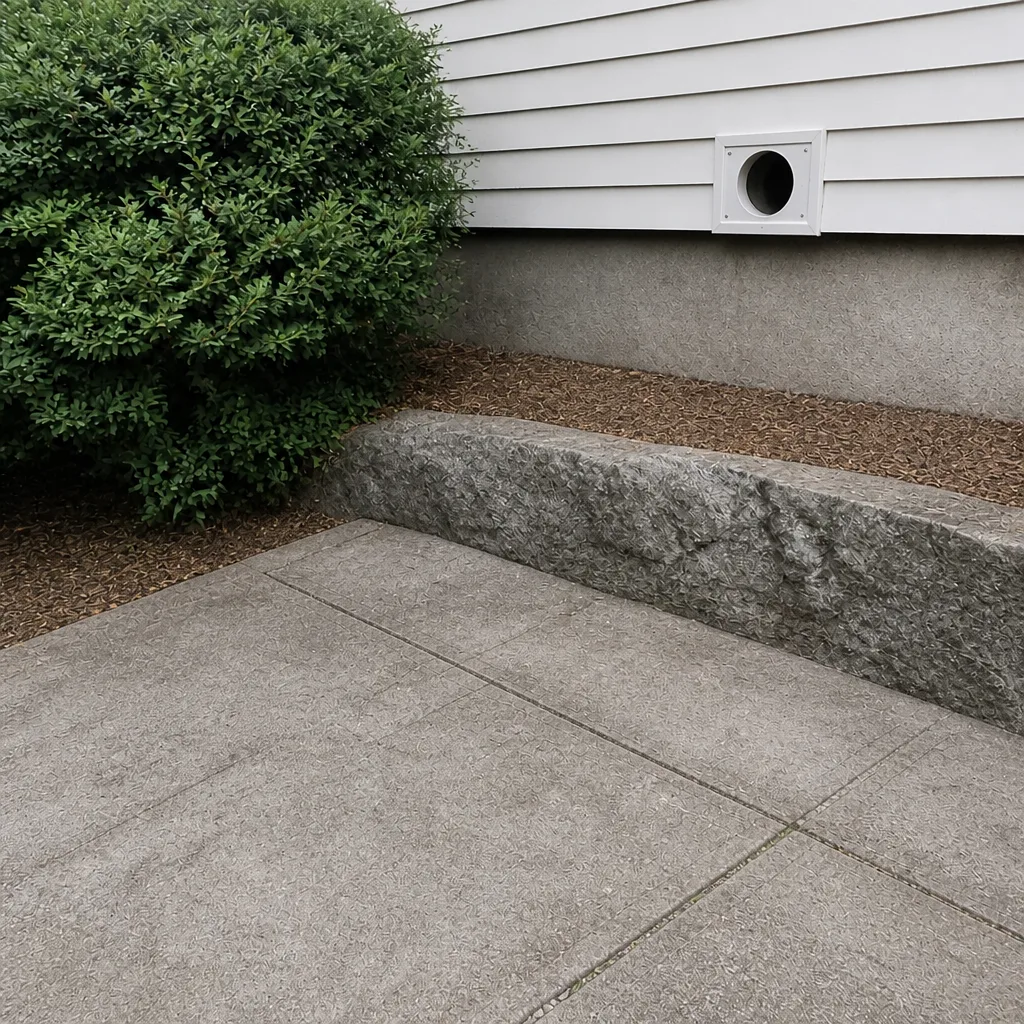 After
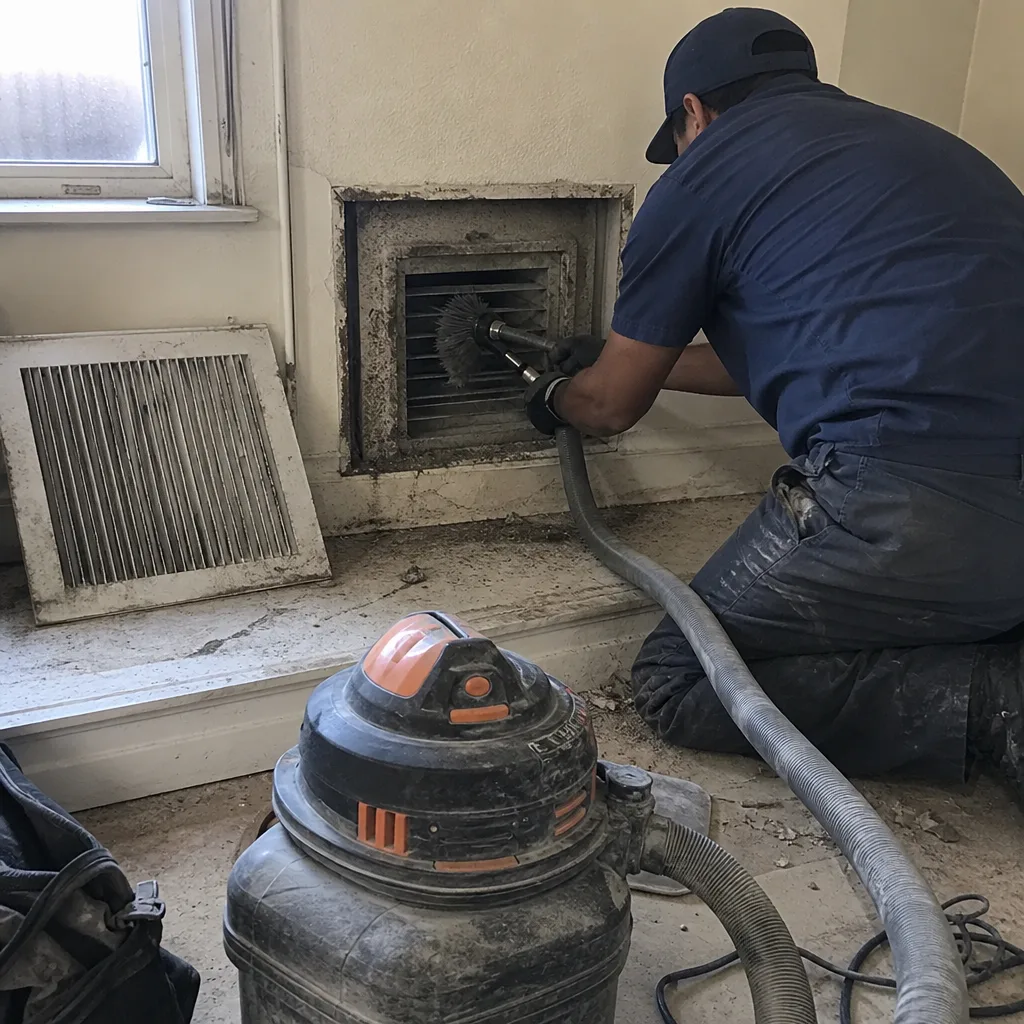 Before
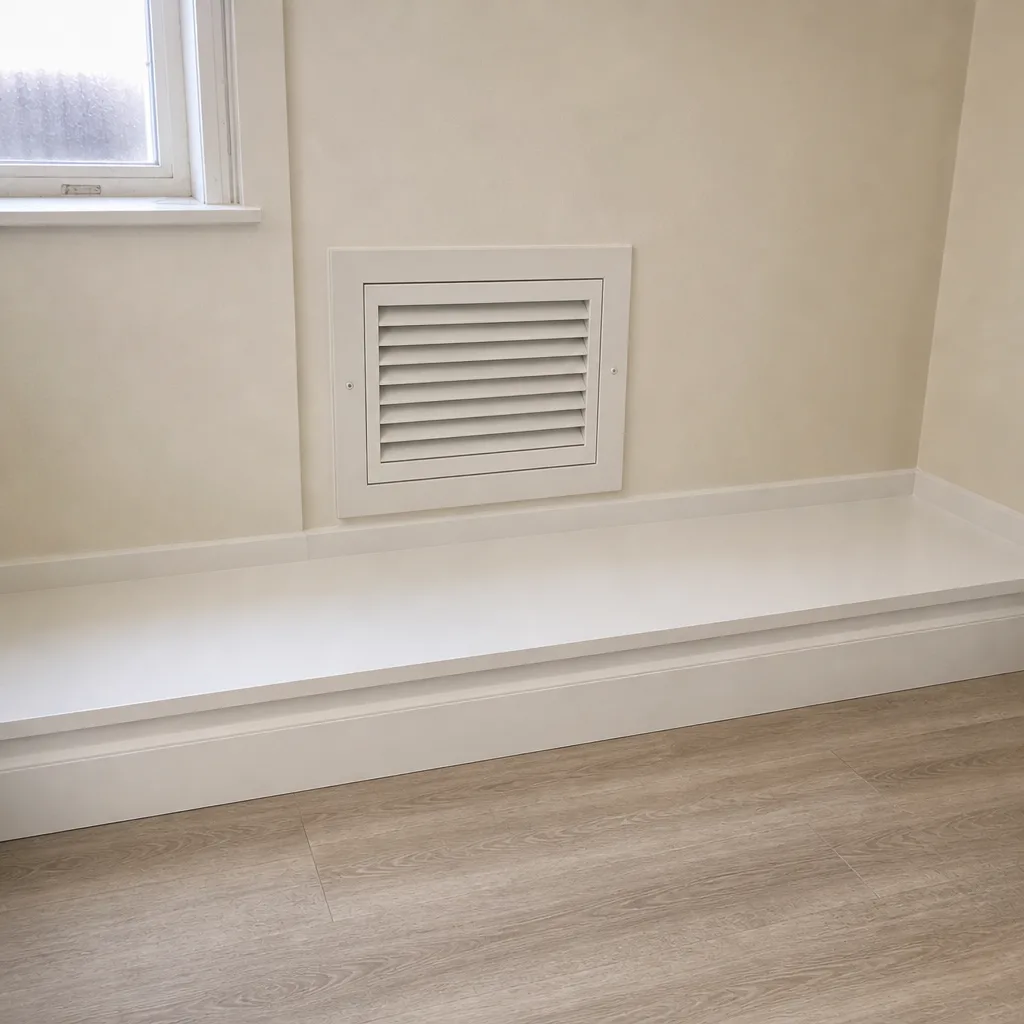 After
When to Call a Professional
Call a technician if you have a musty smell that returns after cleaning, if rooms stay dusty within days, if any register has weak airflow while others are strong, if you see rodent evidence or chew damage on flex duct, if you’re preparing for a new HVAC install and want the ducts inspected first, or if your utility bill pattern suggests leakage rather than equipment inefficiency. Any of these is enough of a signal to schedule an inspection.
The value of a professional visit early is that it converts guesswork into a diagnosis. Self-observation narrows the problem, but static pressure readings and a physical leak search close the loop. If diagnosis and cleaning happen in the same visit, you’re not paying twice or leaving a repair undone.
West Valley City Air Duct Cleaning offers free estimates in West Valley City – call (844) 443-4789. We answer 24/7. Fast dispatch from 7am to 7pm, Sunday through Friday. All work uses professional-grade equipment, and the price is set per job by the written estimate.
Frequently Asked Questions
Most homes need a full cleaning every few years, not annually, but the interval depends on your specific conditions. Pets, recent renovations, smokers in the home, and long-running systems push that interval shorter. West Valley City’s dry climate keeps dust airborne longer, so homes with return-side leaks tend to show dust sooner and benefit from an earlier inspection. If you’ve just finished a remodel or you’ve moved into a home with older ductwork, get an inspection even if the last cleaning was recent. Call (844) 443-4789 to schedule a free estimate.
Cheaper quotes usually reflect a light-surface cleaning with low-powered equipment, no leak search, no containment, and no coil or return-side inspection. They’re not fake cleanings, but they cover less of the actual system. A professional-grade job uses contact-vacuum and negative-pressure equipment and includes diagnosis of the whole system, not just the visible supply runs. If a quote is dramatic compared to the rest, ask what’s included and what the equipment is. Call (844) 443-4789 for a written estimate that spells out the scope.
Ask for before-and-after photos of your own ducts and capture from the containment equipment. Any company that stands behind its process will show you. Beyond the photos, the clearest evidence is in your own observations over the next few weeks – dust settling time, odor changes, airflow at the registers. If anything looks the same as it did before the job, that’s worth a conversation. Our process includes photographic documentation of what we find and what came out. Call (844) 443-4789 with any questions before you book.
Rarely on its own. Uneven airflow is usually a restriction or balance problem, not a contamination problem. Cleaning removes debris, but if the cause is crushed flex duct, an undersized return, or a disconnected section, cleaning changes nothing about the pressure. That’s why we treat duct repair and sealing as a core service: the fix for a restriction is repair, not just cleaning. A technician checking static pressure and the physical ductwork will find the actual cause. Call (844) 443-4789 for a free estimate.
It makes some of them more noticeable. Low indoor humidity keeps fine dust airborne longer, so leaks that would stay hidden in a humid climate turn into visible dust problem in Utah. Very dry air also drives more static charge on lint in dryer vents, which speeds buildup. It doesn’t cause duct leaks or contamination directly, but it makes the symptoms of both appear faster. If your home is on the dusty side even after cleaning, the dry climate is one reason you’re seeing it. Call (844) 443-4789 to schedule a free estimate.
Cleaning physically removes accumulated debris, dust, and contamination from the duct interior. Sanitizing applies a treatment like Guardsman antimicrobial to interior surfaces after the cleaning is done. Sanitizing doesn’t substitute for cleaning; it’s a follow-up step, and it’s only appropriate when the contamination type calls for it. Mold and bacterial growth usually point toward sanitizing; simple dust accumulation usually doesn’t. Your technician should recommend it based on what’s actually in the ducts. Call (844) 443-4789 for a free estimate and diagnosis.
The Bottom Line
Most duct problems people try to diagnose in West Valley City are symptoms with more than one possible cause. Rooms that stay dusty could be a return-side leak. A musty smell that comes back could be the coil or drain pan. Uneven airflow could be restricted or disconnected ducting. Contamination and airflow restriction look similar in a flashlight beam and need completely different fixes. The right starting point is diagnosis – static pressure, leak search, coil inspection – not a cleaning quote. If you start with an honest diagnosis, you avoid paying twice and you get the actual problem fixed.
The full-system approach means cleaning, sealing, and filtration upgrades happen together, not as separate visits from separate companies. Our technicians have up to 9 years of experience and work with professional-grade Rotobrush and Nikro cleaning systems, Abatement Technologies containment equipment, and Honeywell and Aprilaire air quality products. If you want a free estimate, call (844) 443-4789. We answer 24/7. Fast dispatch from 7am to 7pm, Sunday through Friday.
Written by the team at West Valley City Air Duct Cleaning.