
Last updated November 24, 2026
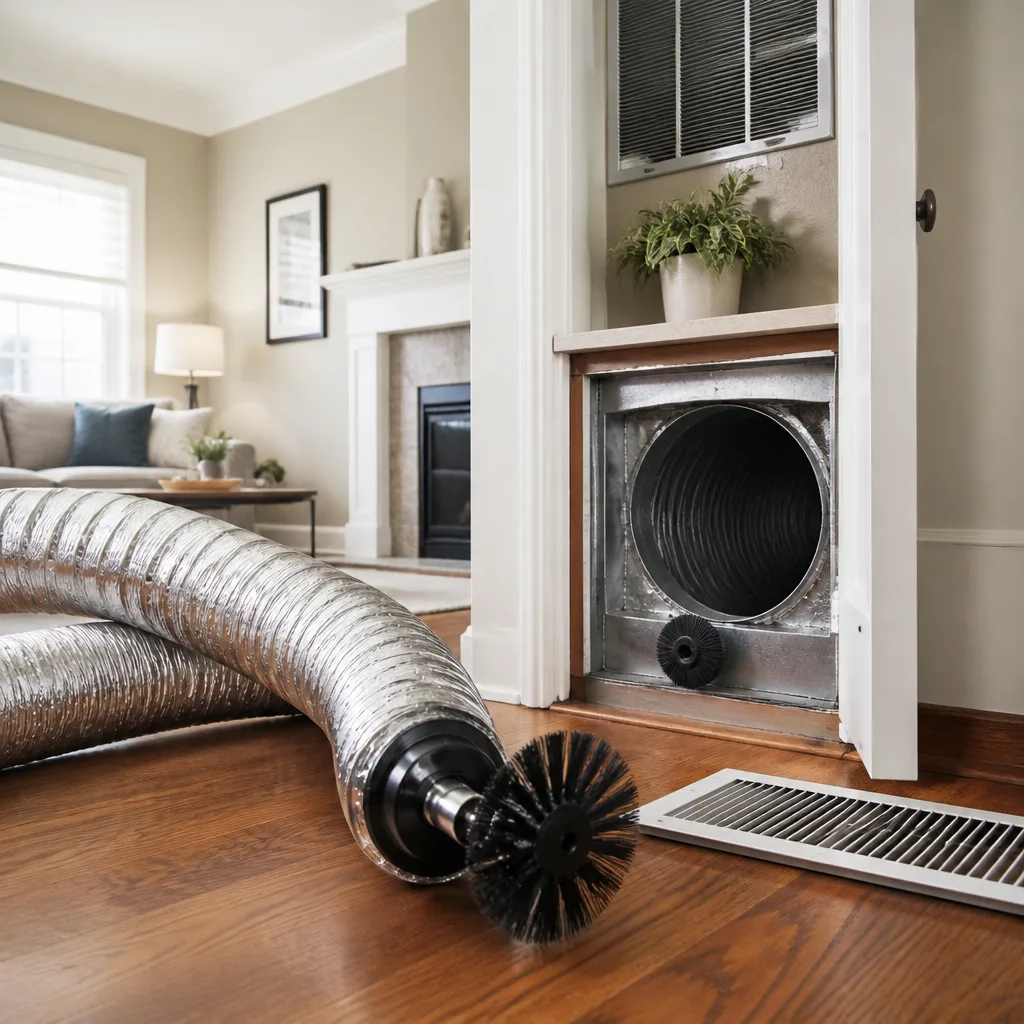 Whole-home duct cleaning
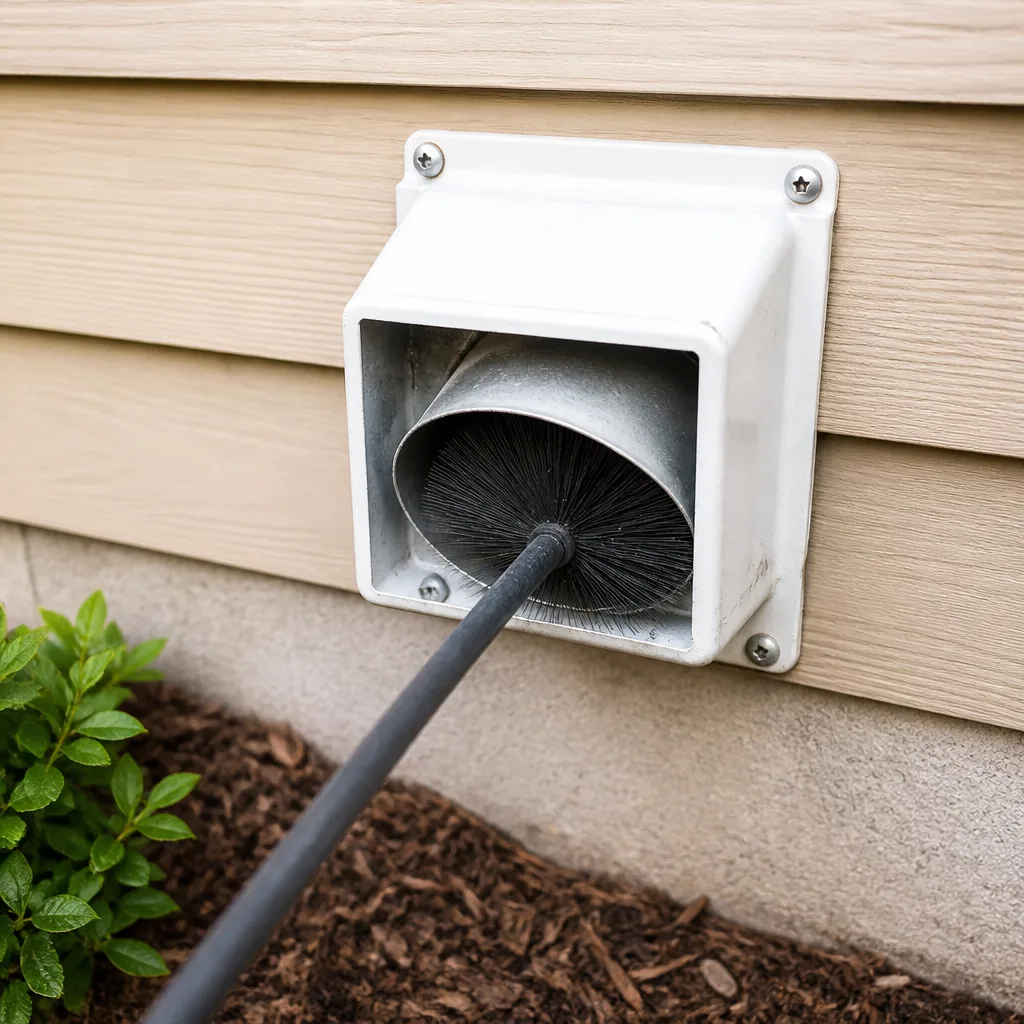 Dryer vent cleaning
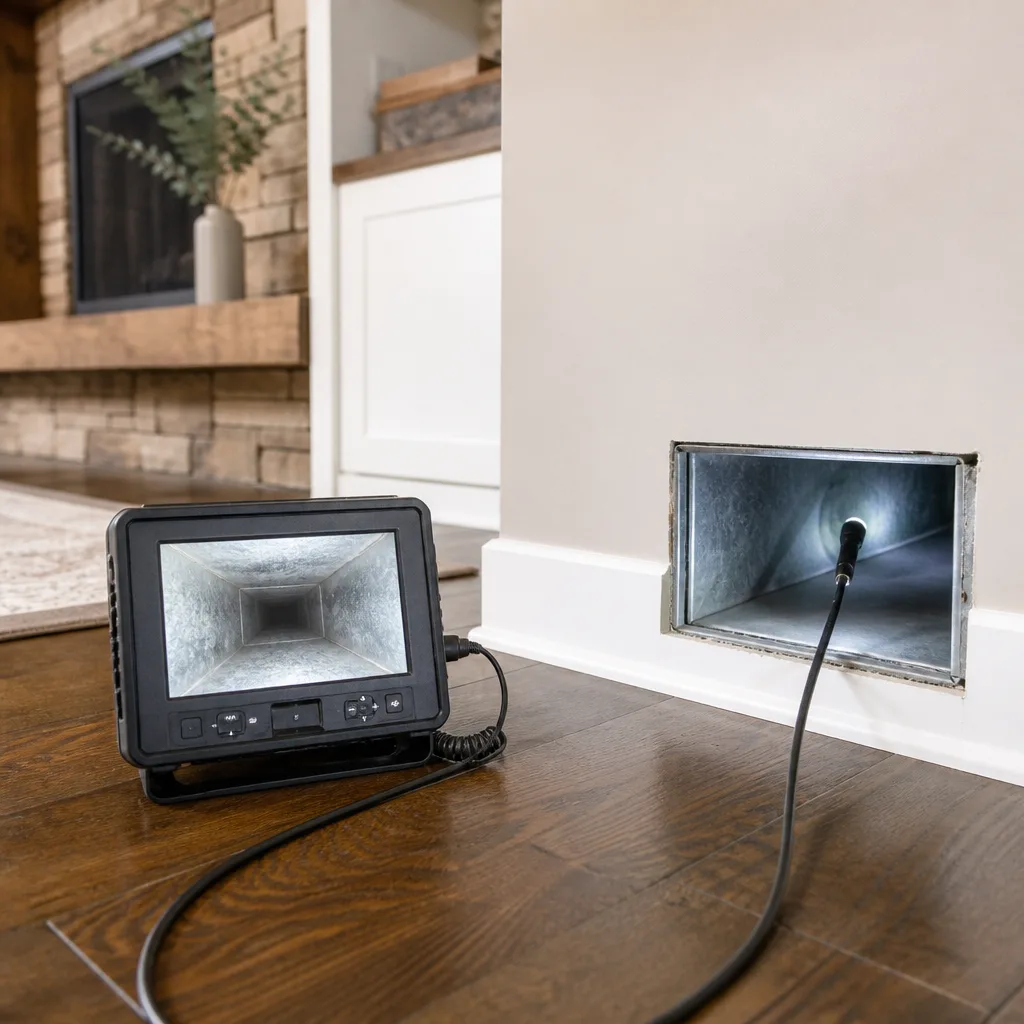 Camera inspection
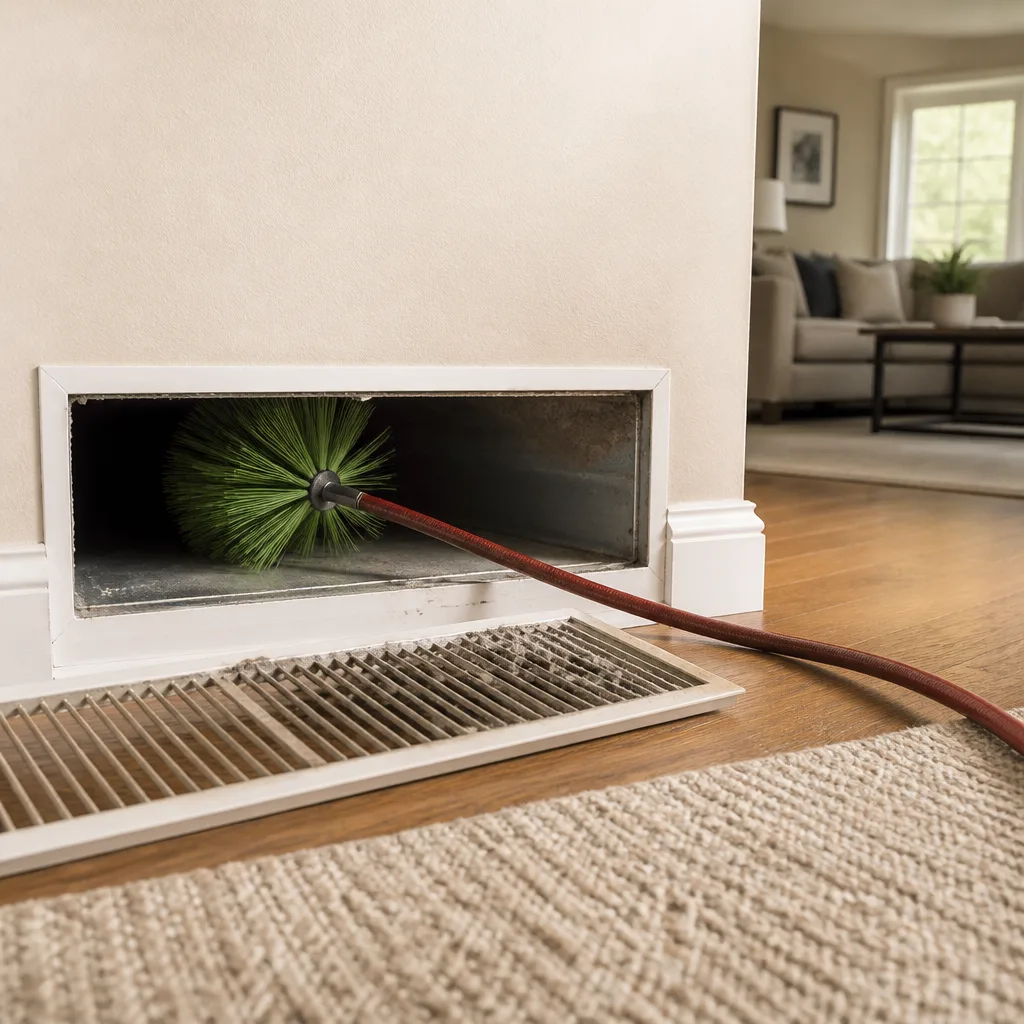 Sanitizing & deodorizing
Whole-system duct and dryer vent check with before-and-after photos - you see exactly what came out of your vents
That "$99 whole-house special" is a bait ad - the real number appears once they are in your hallway, or the "clean" is a shop-vac at the register. We photograph the inside of your ducts before and after instead.
Air Duct Cleaning Emergency Preparedness Guide for West Valley City Homes
Most homeowners think about their ducts only when something smells or when a vent blows out a puff of dust. The bigger risk is quieter. Your duct system connects every room in the house to a single air handler, and that makes it the fastest path for smoke, ash, mold spores, and post-flood contamination to spread everywhere at once. After a disaster event, the ducts are the response point that matters most and the one almost nobody checks. This guide walks through what actually happens to ductwork after a flood, a wildfire smoke event, or a major renovation in West Valley City, how to know when to shut the system down, and how to document contamination for an insurance claim.
Quick Answer
After any event that pushes smoke, water, or fine dust into your home, treat the duct system as contaminated until it’s been inspected. If water reached the return air box or any duct run, shut the HVAC system off and keep it off until a professional assesses it. For smoke or renovation dust, a proper cleaning with contact-vacuum and negative-pressure equipment is what actually removes the particulate, not a vacuum at the registers.
Styles & brands we work with
- Whole-home duct cleaning
- Dryer vent cleaning
- Camera inspection
- Sanitizing & deodorizing
Table of Contents
- Post-Flood Duct Protocol: Assess Before You Run the Furnace
- Wildfire Smoke and Ash: Why Duct Cleaning Is Different
- Post-Renovation Dust and the Drywall Problem
- HVAC Emergency Shutdown: When to Pull the Plug
- Documenting Contamination for Insurance Claims
- What West Valley City Climate Does to Duct Systems
- Building a Duct Emergency Plan Before the Event
- Common Mistakes to Avoid
Post-Flood Duct Protocol: Assess Before You Run the Furnace
Water damage in a basement or crawlspace is the scenario that catches homeowners off guard. The sump pump runs, the floors dry out, and everything looks handled. But if floodwater reached your return air box or any section of duct, you now have a contaminated system. The moment the furnace kicks on, it distributes mold spores to every room connected to that loop. That’s the emergency most people don’t see coming.
Here’s how to assess the situation before you do anything else:
- Find the water line. Any visible water mark above the floor on ductwork, the air handler cabinet, or the return plenum is a red flag. Note the height and photograph it.
- Check the return air box. This is the intake that pulls air back to the furnace. If it sits in a flooded area and water got inside, the entire return run is suspect.
- Inspect flex duct and insulated runs. Flexible duct with internal insulation holds moisture longer than sheet metal. If it was submerged, it usually can’t be cleaned back to a safe condition.
- Smell the supply registers. A musty or earthy smell coming out of supply vents after a flood is a strong signal that moisture reached the duct interior.
- Don’t run the system to “test” it. Running the blower circulates contaminated air through the whole house and pushes spores into carpet, upholstery, and wall cavities.
A proper post-flood duct remediation involves containment, negative-air equipment to keep contaminants from escaping into living space, removal of any compromised flex duct, cleaning of salvageable runs, and antimicrobial treatment. In West Valley City, where basements are common in older neighborhoods, this is a job for equipment that can hold a negative pressure differential, not a shop vac.
Wildfire Smoke and Ash: Why Duct Cleaning Is Different
Smoke particulate doesn’t behave like household dust. Dust sits on surfaces. Smoke embeds. The fine particles in wildfire smoke are small enough to lodge in the porous lining of insulated ductwork and in the seams and joints of sheet metal runs. Once they’re in, they off-gas a burnt, acrid smell every time the system cycles on, and a standard register vacuum won’t touch them.
The cleaning method matters more than the effort. Here’s what we mean by that:
- Contact vacuuming with a rotary brush system like Rotobrush physically agitates the duct wall while capturing the dislodged particulate at the source. Smoke residue has to be loosened before it can be removed.
- Negative-pressure containment using Abatement Technologies equipment keeps the loosened particulate from drifting back into the living space during the cleaning.
- HEPA filtration on the vacuum captures the fine smoke particles so they aren’t just redistributed through the exhaust.
- Sanitizing treatment with a product like Guardsman addresses residual odor and microbial growth that smoke exposure can encourage in a damp duct.
After a smoke event in West Valley City, the visible ash settles and gets cleaned up. The invisible intrusion is the part that stays in the system until it’s mechanically removed. That’s the difference between a house that smells clean and one that actually is.
Post-Renovation Dust and the Drywall Problem
Drywall dust in your ducts is not the same as construction dust from wood or insulation. It’s alkaline, it’s extremely fine, and it’s the type of particulate that irritates lungs and settles deep into the system. If your renovation involved cutting, sanding, or hanging drywall with the HVAC running, the dust went straight into the return air and distributed through every supply run in the house.
Cleanup for drywall dust has to go beyond vacuuming the registers. Here’s what a proper job involves:
- Full-system cleaning of every supply and return run, not just the visible vents.
- Blower and air handler cabinet cleaning, because drywall dust coats the blower wheel and can imbalance it over time.
- Coil inspection on the HVAC system, since drywall dust on a wet evaporator coil sets into a paste that reduces airflow and efficiency.
- Filter replacement with a filter rated to catch fine particulate, matched to your system’s airflow capacity.
- A final containment check to confirm the cleaning didn’t just move dust from the ducts into the rooms.
Renovations are one of the most common sources of duct contamination we see, and it’s preventable. Sealing off returns before demolition starts is the correct move, and it costs almost nothing compared to the cleaning afterward.
HVAC Emergency Shutdown: When to Pull the Plug
Knowing when to shut the system down is half of duct emergency preparedness. The wrong call wastes energy and spreads contamination. The right call protects the air in every room. Here’s the West Valley City homeowner’s quick-reference for which scenarios call for immediate shutdown and which don’t.
Shut the system off immediately if:
- Water reached the return air box, air handler, or any duct run.
- You smell burning, musty, or chemical odors coming from the registers.
- Visible smoke entered the house during an active fire event nearby.
- Drywall or concrete work is happening in the house with the HVAC running and no containment.
- The blower is running but no air is moving, which can indicate a blocked or collapsed duct.
You can safely leave the system running if:
- The contamination was isolated to a single room and the returns in that room were sealed off.
- The event happened outside the home and no smoke or water entered.
- You’ve already had the system cleaned and the filter replaced after the event.
When in doubt, shut it off. Resetting a breaker and restarting the system is a minor inconvenience compared to running contaminated air through every room in the house for days. In West Valley City, where wildfire smoke episodes and spring dust events are part of the seasonal picture, knowing where your furnace switch is and being willing to use it is basic emergency readiness.
Documenting Contamination for Insurance Claims
If a qualifying event led to duct contamination, the claim lives or dies on documentation. Insurance adjusters need to see evidence of what happened, not a verbal description. What professional documentation should include is specific and verifiable.
- Pre-cleaning photographs of the air handler, return plenum, and representative supply and return runs, with the contamination clearly visible.
- Moisture readings if water was involved, taken in multiple locations and dated.
- A written scope of work that states what will be cleaned, what will be removed and replaced, and what method will be used.
- Equipment specification, so the adjuster knows negative-pressure containment and HEPA capture were part of the job.
- Before-and-after photos of the same runs, taken from the same angle, so the difference is provable.
- Post-cleaning verification, which is the piece that closes the loop on a claim.
What adjusters won’t accept is a verbal statement that the ducts were “cleaned” with no evidence attached. Before-and-after photography of the actual duct interior is the single most persuasive piece of documentation in a duct-related claim, and it’s something we make a routine part of every job.
What West Valley City Climate Does to Duct Systems
The Wasatch Front has a particular combination of conditions that stresses ductwork more than many other regions. Winters are cold enough to run the furnace hard for months. Summers are dry and dusty, with wind events that carry fine soil particulate into homes through any gap in the building envelope. Spring delivers pollen loads that find their way into return air. And the valley holds smoke during wildfire season, sometimes for days at a time.
What that means practically for a West Valley City home:
- Heating season stress. Months of continuous furnace operation means the blower moves a lot of air through the system. Dust and particulate that settle in the ducts during the off-season get redistributed when the heat comes on in fall.
- Fine soil infiltration. Valley dust is finer than most homeowners expect. The return air side of the system is the first place it shows up.
- Smoke retention. In a year with an active fire season, duct lining can hold smoke smell well past the event. The smell is the visible symptom, not the underlying particulate load.
- Seasonal pollen. Spring pollen works into returns through doors and windows that open and close more often as the weather shifts.
The practical takeaway: in West Valley City, duct systems carry a seasonal load that most other regions don’t see in the same combination. A once-a-year inspection cadence works well here, done in early fall before heating season starts, so the ducts are clean going into the months when the system runs the most.
Building a Duct Emergency Plan Before the Event
Emergency readiness is mostly about doing a few small things before anything happens. A duct emergency plan is short, and it makes the difference between a handled event and a spreading problem.
- Locate your HVAC shutoff. Find the breaker or disconnect that controls the furnace and air handler, and label it. In a flood or smoke event, you may need to kill power within a minute.
- Photograph your current ductwork now. A baseline set of photos of your air handler and a few representative vents gives you something to compare against after an event for insurance purposes.
- Check your filter size and stock spares. After a smoke or dust event you may run through two or three filters before the system settles. Knowing the size and having two on the shelf saves a trip.
- Note where your returns sit relative to low points. In a basement flood, the return air box is the first component at risk. Know where yours is so you can inspect it immediately.
- Seal returns before renovation work. Tape plastic over returns and close the doors to the work area before demolition starts.
- Have a duct cleaning contact saved. When a flood or smoke event hits, the last thing you want to do is search for a number while you’re managing water in the basement.
Planning also includes knowing what to look for on your HVAC cleaning before and after an event so you can tell whether the system is running efficiently or working harder than it should.
Common Mistakes to Avoid
- Running the furnace to “dry out” the house after a flood. If water reached the return air or duct run, running the blower pushes moisture and spores into every room. Keep it off until the system’s been inspected.
- Vacuuming the registers and calling it clean. The registers are the end of the run, not the system. The contamination sits deeper in the plenum and duct interior.
- Assuming drywall dust is harmless because it’s fine. Drywall dust is alkaline and small enough to lodge deep in the lungs. It warrants the same full-system cleaning as smoke or flood contamination.
- Replacing the filter without cleaning the ducts after a smoke event. A new filter catches what passes through, but the smoke particulate already in the duct lining keeps off-gassing regardless of what filter you install.
- Skipping photos before cleaning. Without pre-cleaning documentation, a homeowner has no evidence for an insurance claim and no way to verify the work was actually done.
- Hiring the cheapest quote after an event. Low-cost operators often use low-powered truck-mount rigs that agitate dust without proper negative-pressure containment, which can leave the home worse than before.
- Ignoring the dryer vent in a preparedness plan. A clogged dryer vent is a fire risk that compounds any existing heat or smoke event. Include dryer vent cleaning in the annual inspection rhythm.
See the difference
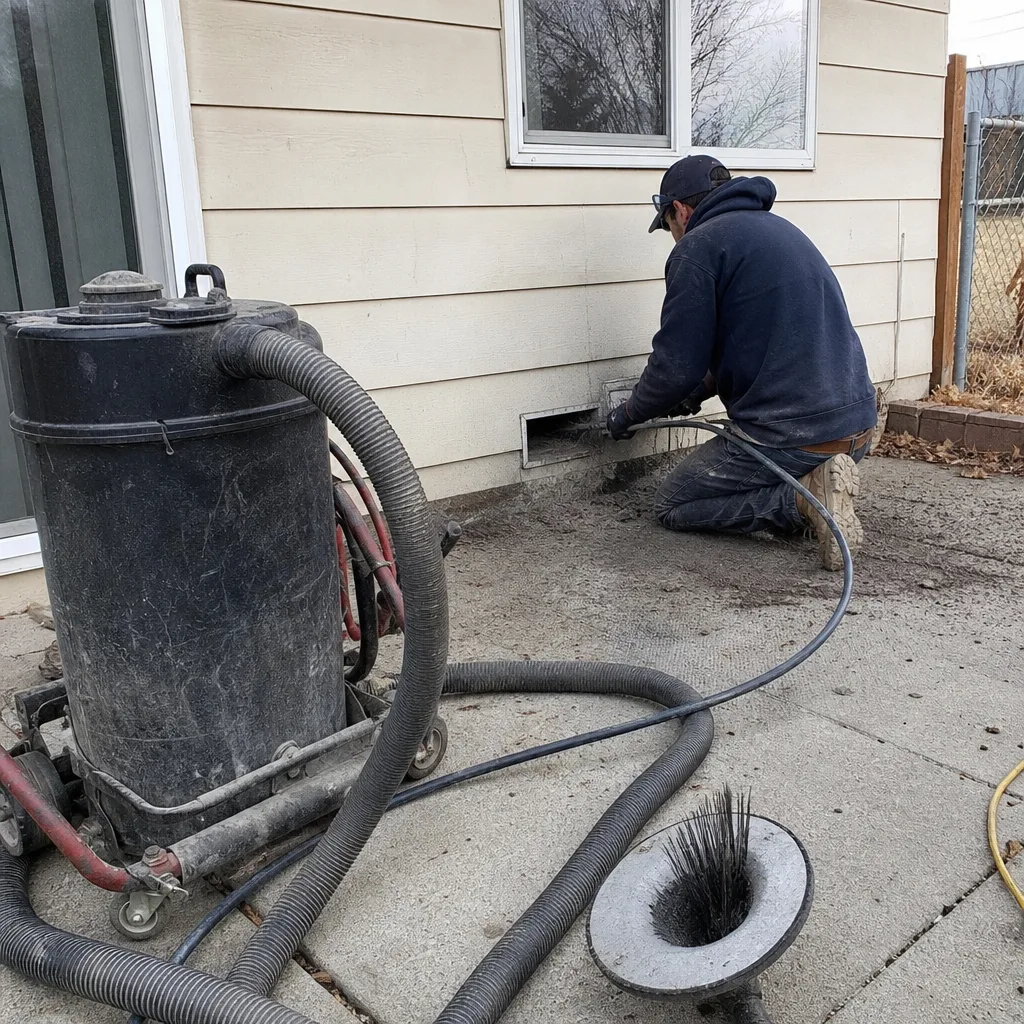 Before
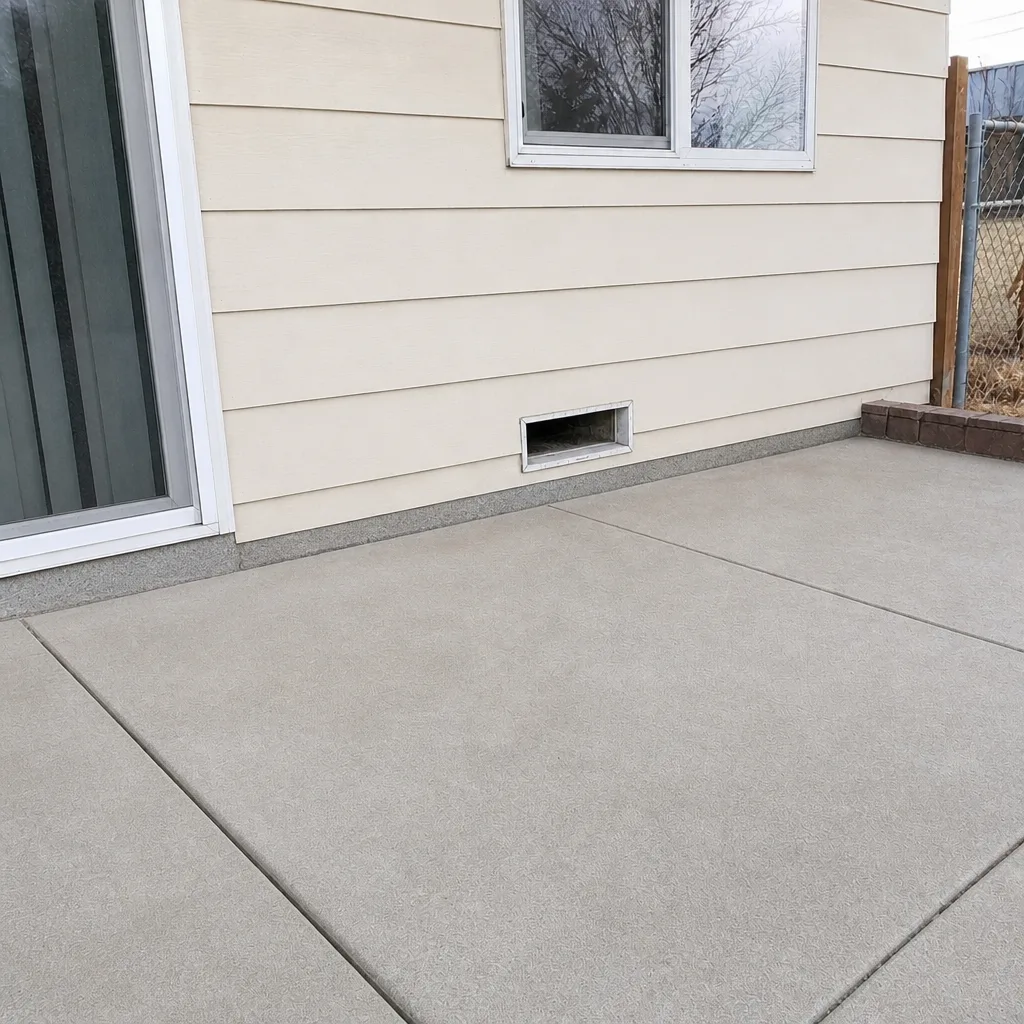 After
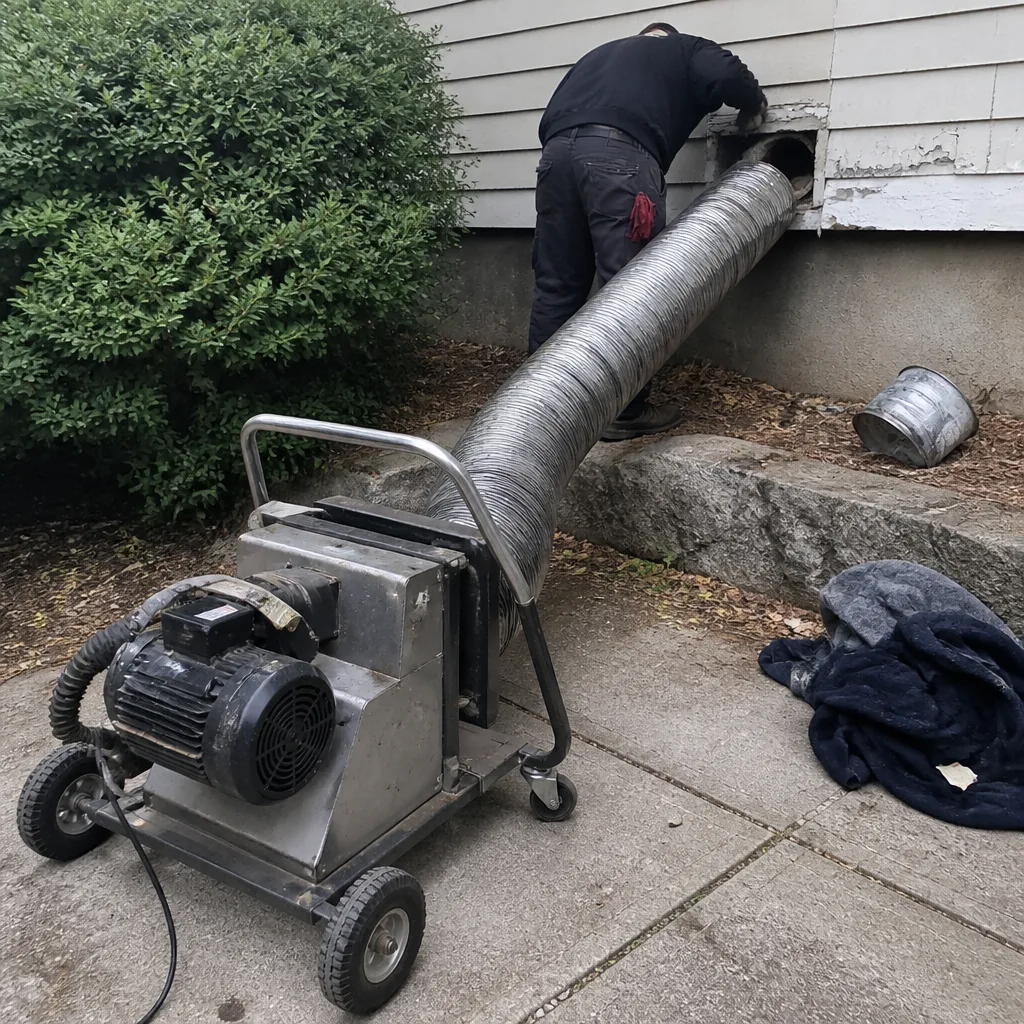 Before
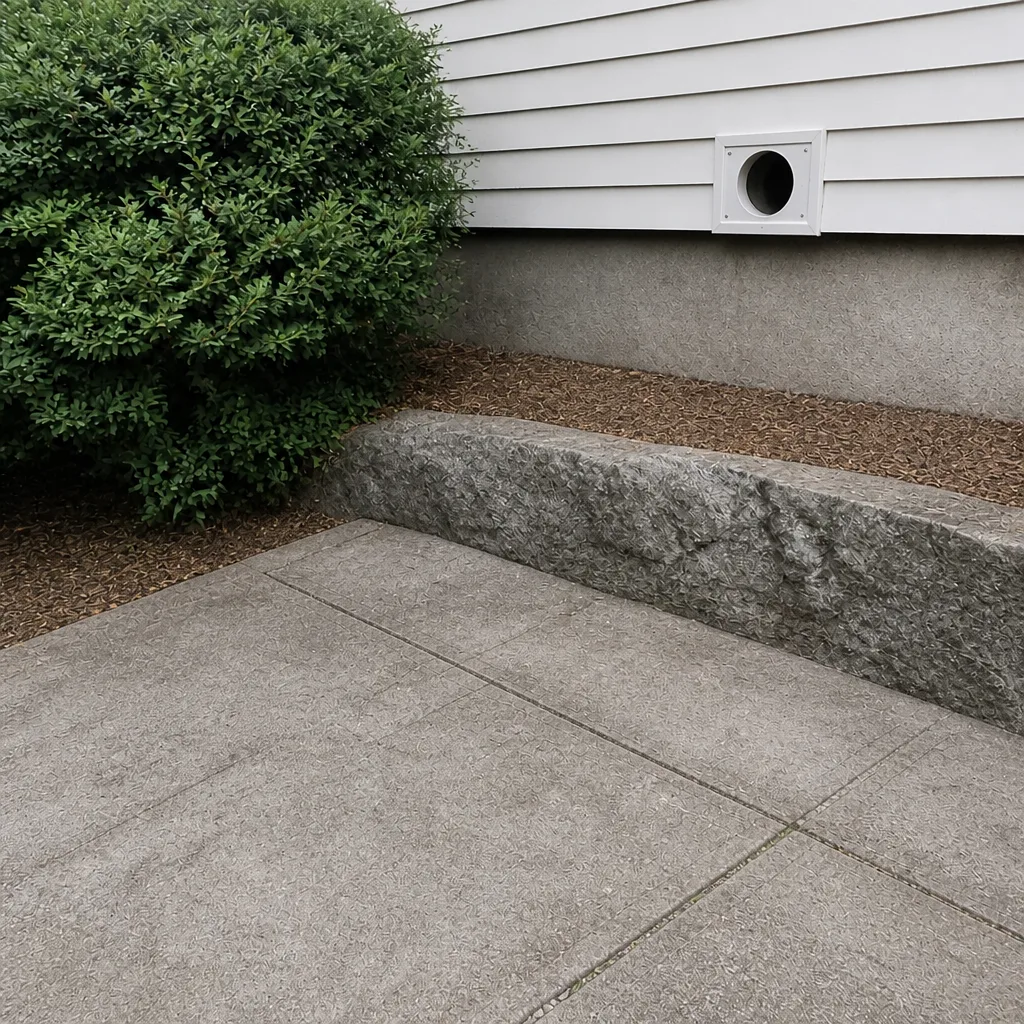 After
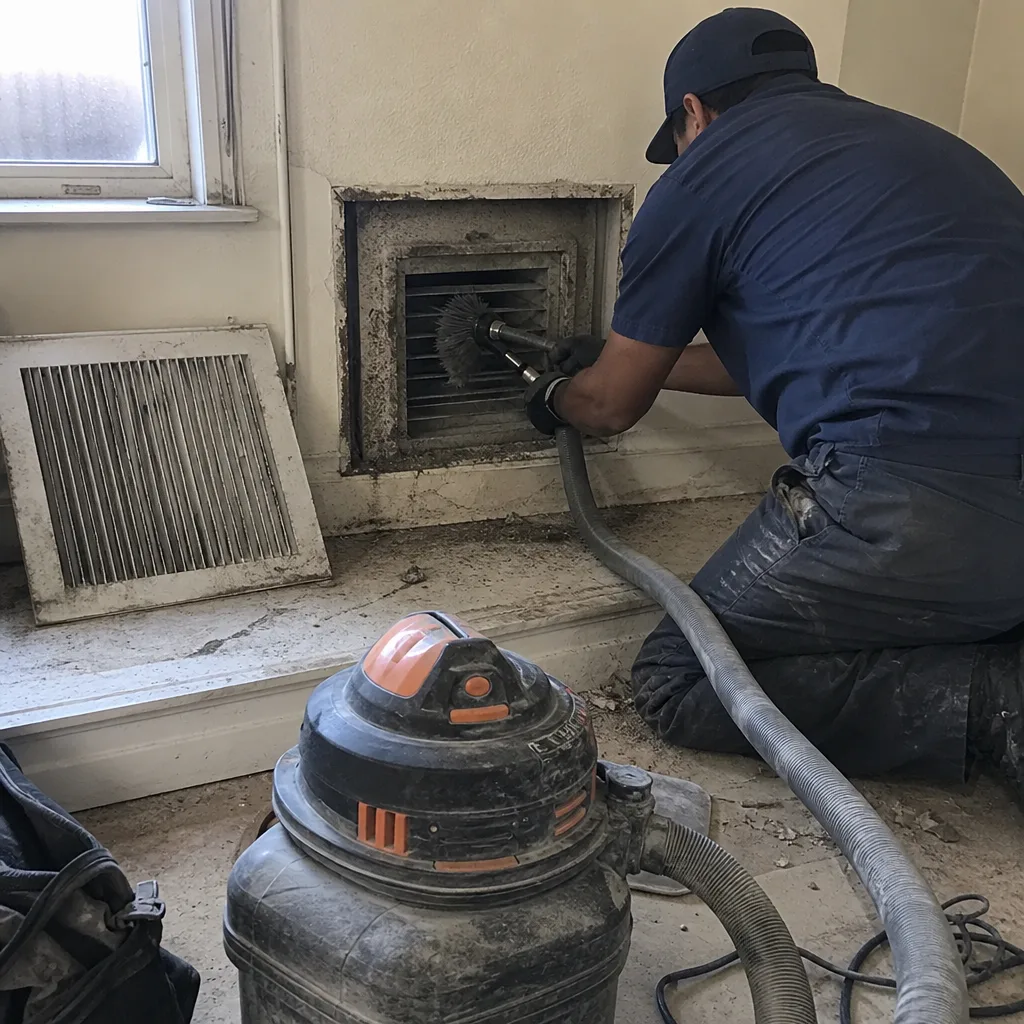 Before
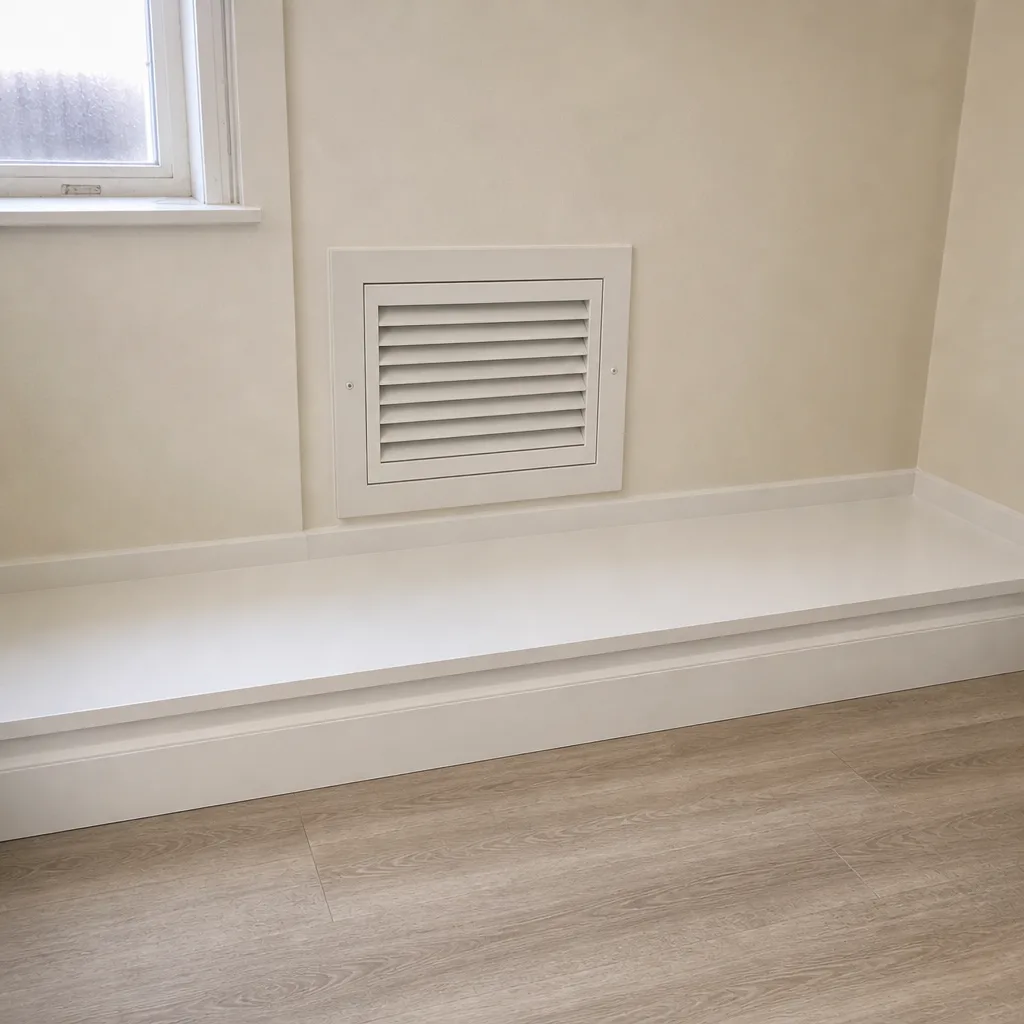 After
When to Call a Professional
Some duct work is genuinely DIY territory, like replacing a filter or taping over a return before a renovation. The rest is not, and here’s where to draw the line. Call a professional if water reached any part of your duct system, if your home had smoke infiltration during a fire event, if a renovation created visible dust in the supply vents, if you smell musty or chemical odors coming from the registers, or if it’s been more than a year since the last full-system cleaning in a West Valley City home with allergies, pets, or older ductwork. The right equipment is what separates a real clean from a cosmetic one, and Rotobrush, Nikro, and Abatement Technologies systems are what professional-grade cleaning runs on. West Valley City Air Duct Cleaning offers free estimates in West Valley City – call (844) 443-4789. We answer 24/7. Fast dispatch from 7am to 7pm, Sunday through Friday.
Frequently Asked Questions
No. Neither flood contamination nor smoke particulate can be safely addressed with a shop vac or a consumer duct cleaning kit. Flood contamination requires negative-pressure containment and antimicrobial treatment, and smoke particulate requires contact-vacuum agitation with HEPA filtration to actually remove it from the duct lining. The right move is a professional inspection first and a proper cleaning if contamination is confirmed. Call (844) 443-4789 for a free estimate.
Look for dust trails at the supply registers and any change in how the air feels or smells when the system runs. If drywall work happened with the HVAC operating, assume the return side pulled dust into the system and get it inspected. Drywall dust is fine and alkaline, and it needs full-system cleaning, not just register vacuuming. Call (844) 443-4789 and we’ll walk through an assessment.
It depends on the policy and the event. Duct cleaning is often covered when it’s part of a qualifying water or fire loss, but only if the contamination is properly documented. Photographs, moisture readings, and a written scope of work are what your adjuster needs. We can work with your insurer and provide before-and-after photos of the actual duct interior. Call (844) 443-4789 for a documented assessment.
It can stay for months, and sometimes longer, if the particulate isn’t removed. Smoke sediment embeds in the porous lining of ductwork and in seams where ordinary cleaning doesn’t reach. A standard register vacuum won’t clear it. Full-system cleaning with contact vacuuming plus a sanitizing treatment is what actually resolves the smell. Call (844) 443-4789 to schedule a cleaning.
Contact vacuum and negative-pressure equipment is built to hold a negative pressure differential while agitating the duct wall, which means contamination gets captured at the source instead of drifting into the living space. Truck-mount rigs on discount jobs are often lower-powered and don’t include containment. The equipment on the job is the biggest variable in the outcome, not the price on the invoice. Call (844) 443-4789 for an estimate on equipment that’s right for a real cleaning.
Once a year is a sensible baseline for a West Valley City home with pets, allergies, or older ductwork, done in early fall before heating season begins. Homes with a recent flood, smoke event, or major renovation should be cleaned immediately rather than waiting for the annual cycle. If it’s been more than a year, the ducts are due. Call (844) 443-4789 for a free estimate and an honest assessment of what your specific system needs.
The Bottom Line
The most important piece of emergency duct preparedness is understanding that the duct system is a distribution network, not a passive one. After a flood, a smoke event, or a major renovation, the risk is that the HVAC system will spread contamination to every room unless it’s shut off and the ducts are properly assessed. The right tools (contact vacuum, negative-pressure containment, HEPA capture) are what actually remove the contamination, and before-and-after documentation is what proves it. Photograph your ductwork before an event, know where your shutoff is, and have a cleaning contact saved. That’s a plan that protects the whole house. Get started with West Valley City Air Duct Cleaning or review air duct cleaning services tailored to what your system actually needs.
Contact Us for a Free Estimate
If your home has been through a flood, a smoke event, or a major renovation and you’re not sure whether your ducts are compromised, call us for a free estimate. We’ll inspect the system, show you what we find, and give you a written scope of work before any cleaning starts. One flat price per system, agreed before work begins. Our technicians have up to 9 years of experience, and all work is done with professional-grade Rotobrush, Nikro, and Abatement Technologies equipment. Air duct cleaning is handled as a complete-system service, not a quick register pass. Call (844) 443-4789. We answer 24/7. Fast dispatch from 7am to 7pm, Sunday through Friday.
Written by the team at West Valley City Air Duct Cleaning.